

Ageing and frailty

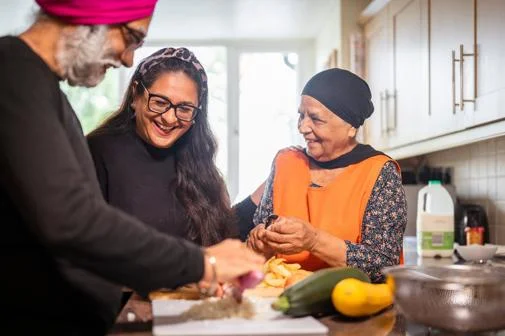
Population ageing represents one of the most significant social transformations of our time, with profound implications for health systems, economies, and societies. By 2050, one in six people globally will be over 65. LSE Health's ageing research addresses the complex challenges and opportunities this demographic shift presents. with a particular focus on frailty as both a consequence and driver of ageing across the lifespan.
Our research recognises that while frailty becomes more prevalent with age, it can affect anyone regardless of age: from young adults with chronic conditions to middle-aged individuals experiencing multiple health challenges. We investigate how frailty emerges from the complex interplay of physical, psychological, and social vulnerabilities, and examine interventions that can prevent, delay, or reverse frailty trajectories. This work informs our broader understanding of how health and social care systems can be redesigned to support not just healthy ageing, but resilience and recovery at any life stage.
We examine how health and social care systems can be redesigned to support healthy ageing, investigate the economics of long-term care provision, and analyse policies that promote active participation of older adults in society. Our integrated approach to frailty research enhances our evaluation of care models for people with multiple chronic conditions, informing evidence-based interventions that address the root causes of vulnerability rather than just managing symptoms. This work extends to understanding the economic implications of pension reforms and retirement policies on health outcomes, recognising that social and economic frailty often precede and exacerbate physical decline.







Key researchers
Professor Martin Knapp, CBE




Dr Cristina Hernandez Quevedo


Professor Tiziana Leone


Dr Matteo M Galizzi