

Sustainable responses to global challenges

What does a sustainable future look like, and how do we get there? At LSE our researchers are exploring innovative ideas to understand and reshape the systems of finance, economy, politics and society that stand in the way of change, convened by the Global School of Sustainability.
Future proof video series
In 2026, our "Future proof" series goes behind the scenes with some of LSE’s sustainability experts to understand more about what a sustainable and resilient future looks like, and how the social sciences will help us build it. Episodes released on the second Tuesday of every month.
The hidden truth behind pig farming and meat production | LSE Future Proof
Research Fellow Dr Steven McCulloch
9 June 2026 • 5 minutes 50 seconds

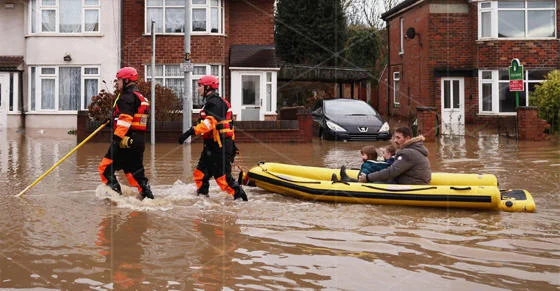
Urban flooding and emergency preparedness: is the UK ready? | LSE Future Proof
LSE Visiting Professor in Practice David Shukman
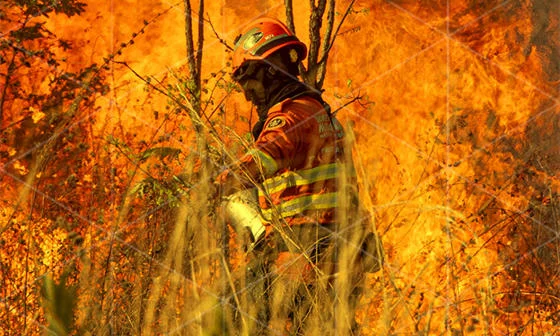
How to make life on our planet more sustainable | LSE Future Proof
Professor Jonathan Pershing, Dr Ganga Shreedhar, Dr Shefali Khanna, Professor Sir Tim Besley, Professor David Luke, Professor Carmen Nuzzo

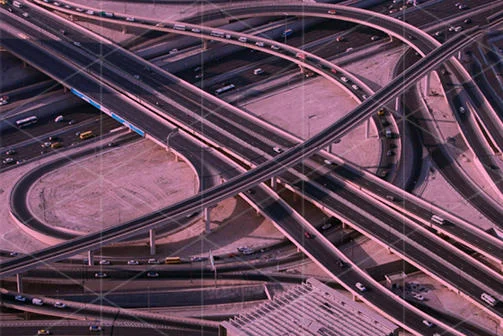
How Gulf cities could be rebuilt with people in mind | LSE Future Proof
Dr Alexandra Gomes
Catch up with Festival events you missed
Podcasts and videos


The green shoots of the new economy
With Akshat Rathi
18Jun

20Jun

Catch up with other LSE event recordings
Browse our YouTube sustainability playlist

Research for the World magazine
Browse the May issue with a focus on sustainability

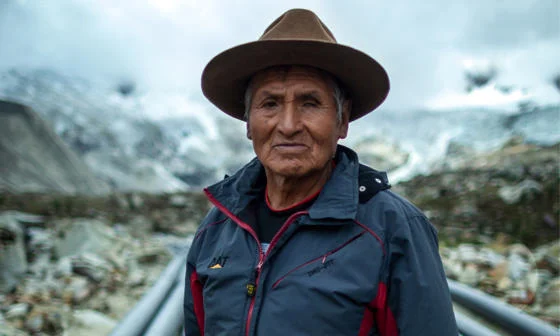
Can climate lawsuits make polluters pay for global warming?
26 May 2026 · Dr Noah Walker-Crawford
Are big companies doing enough to meet climate goals?
26 May 2026 · Ali Amin

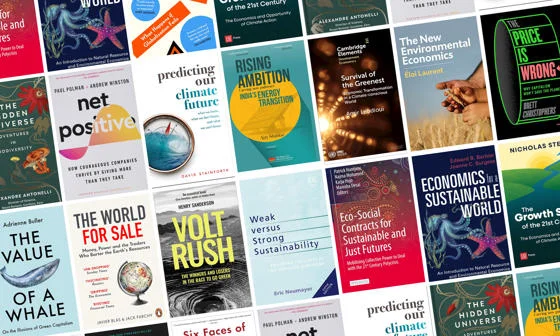
Recommended reading on sustainable economics
26 May 2026 · LSE Review of Books


Videos and podcasts
What are the environmental costs of AI?
Professor Nick Couldry and Dr Eugenie Dugoua explore in this episode of the LSE iQ podcast



Elizabeth J Z Robinson
Professor of Environmental Economics
Department of Geography and Environment, Grantham Research Institute on Climate Change and the Environment


Giles Atkinson
Professor of Environmental Policy
Department of Geography and Environment, Global School of Sustainability



Eugenie Dugoua
Assistant Professor of Environmental Economics
Department of Geography and Environment, The Global School of Sustainability at LSE