

Impact

The Global School of Sustainability (GSoS) delivers impact through a number of mechanisms: its Global Impact Group, the five interconnected themes, three affiliated research centres (Grantham Research Centre, CETEx and TPI Centre), and our regional programmes and other initiatives.
Together, they form a single ecosystem that sets the research agenda, builds the evidence base and shapes policy, charting a new development path towards resilient and sustainable growth.
Explore a selection of our impact highlights from across GSoS below.
Lord Nicholas Stern’s "Growth Story of the 21st Century" book
Lord Nicholas Stern’s latest book makes a compelling case for investment in climate action to drive growth. Launched ahead of COP30, it was named a Best Economics Book of 2025 by the Financial Times, with speaking invitations worldwide.
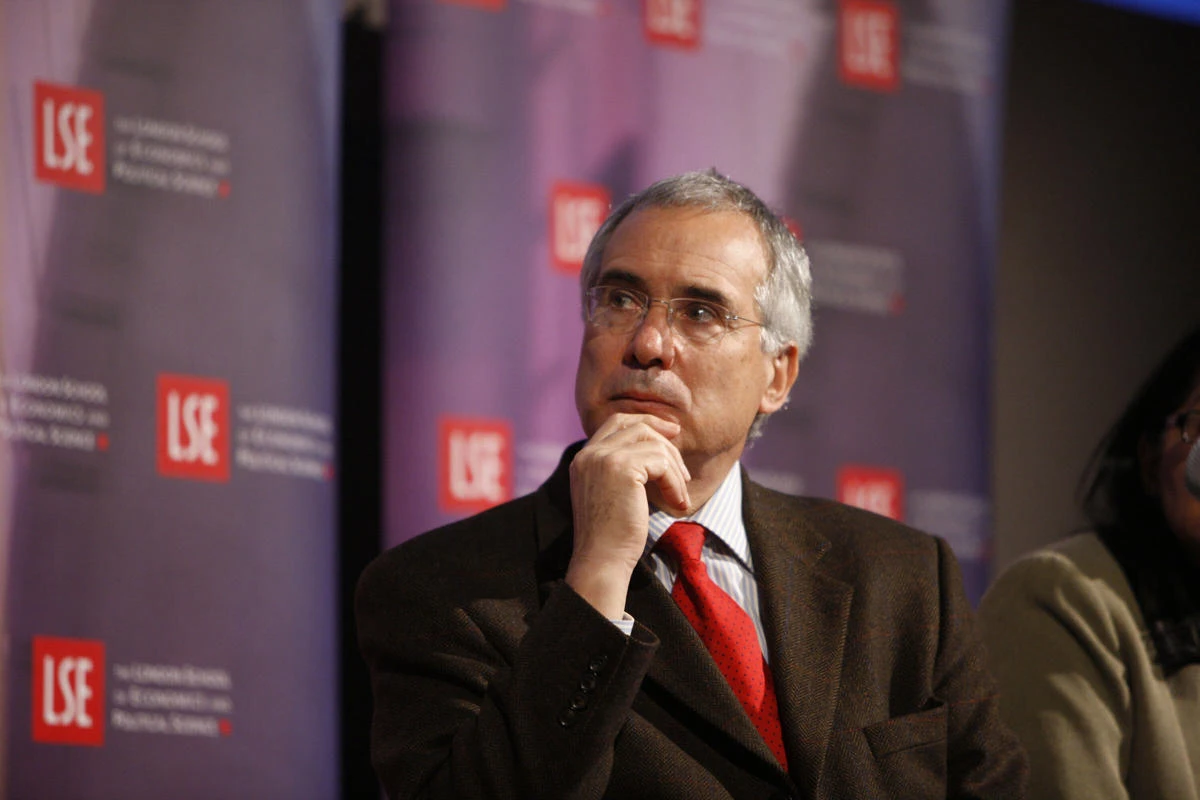
Nicholas Stern delivers lectures at Stanford
Lord Nicholas Stern delivered the Tanner Lectures: "Economics and Ethics for Sustainable Development in a Changing World", redefining the debate on moral and political philosophy and deepening ties with the Stanford School of Sustainability.
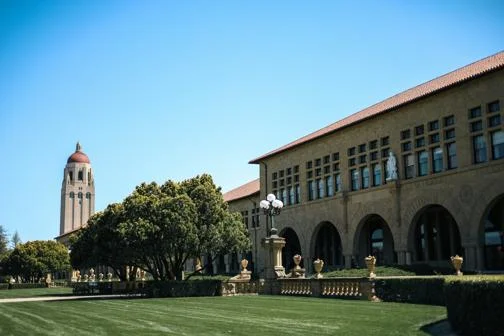
COP32 tasks Vera Songwe and Nicholas Stern to lead a new report
Commissioned by the Ethiopian COP32 Presidency, Vera Songwe and Lord Nicholas Stern will lead a new report on resilient growth in Africa, building on their climate finance expert group work.
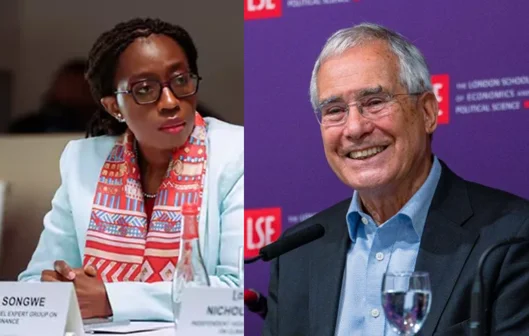
Nicola Ranger participates in World Bank-IMF Annual Meetings in Bangkok
At the meeting Nicola Ranger urged debt sustainability analyses to positively recognize government investments in adaptation and natural capital.
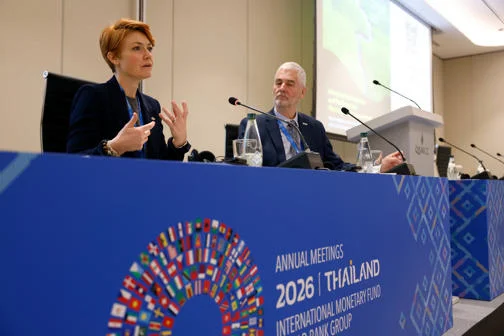
Sir Andrew Steer chairs first official Nature Day
GSoS organised the first official Nature Day at Kew Gardens during London Climate Action Week 2026 with Defra and partners including LSE's Earth Capital Nexus, positioning nature and biodiversity as critical economic infrastructure.

Nick Godfrey co-authors a major global report on the macroeconomic case for investment in climate adaptation
Nick Godfrey and team established the Coalition of Finance Ministers for Climate Action’s Economic Analysis for Green and Resilient Transitions initiative, co-authoring a major global report on the macroeconomic case for investing in climate adaptation synthesising economic and fiscal risks.

Themes
Explore some highlights from our Themes below
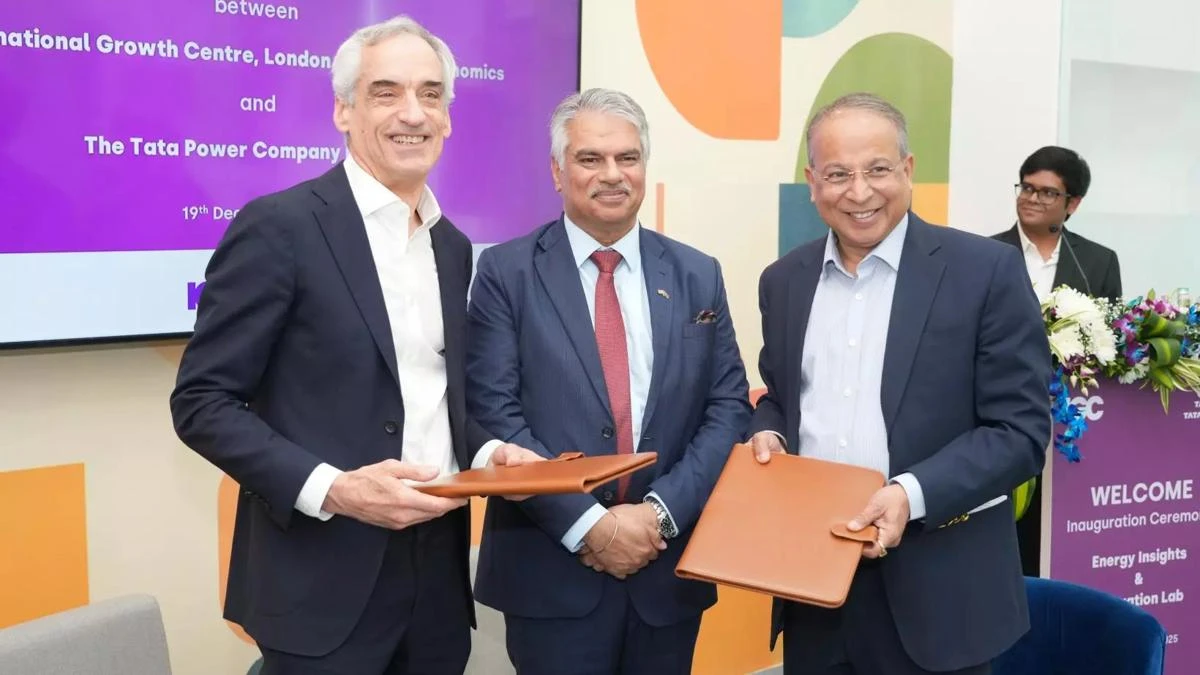
IGC launches Energy Insights & Innovation Lab to drive India’s transition
Partnering with Tata Power in Mumbai, the IGC-launched lab uses data from 12 million customers across 15 research projects to design and scale evidence-based power sector reforms.
COP30 President launches global climate economics initiative at LSE
The new organisation brings together leading economists and policymakers to bridge frontier research and climate action.
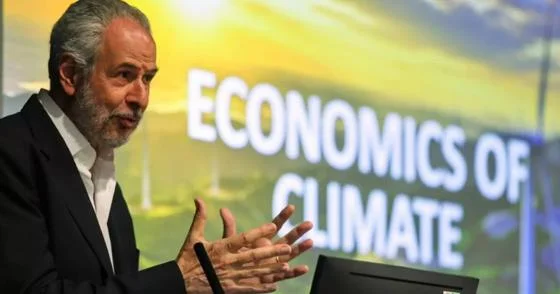
Robin Burgess advises COP30 President’s Council
Economic analysis helped shape proposals for unified carbon markets and a fossil fuel transition, contributing to a roadmap to mobilise US$1.3 trillion annually in climate finance.

Financial Markets Group sets out recommendations for investor climate action
Workshops across four global financial centres resulted in a report with practical recommendations to strengthen investor climate action.

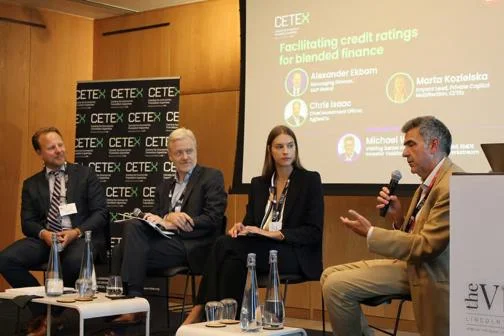
Blended Finance Lab convenes practitioners to tackle barriers to scale
Convening over 100 participants from 70+ organisations, the Blended Finance Lab Symposium explored collaboration to mobilise private capital for sustainable development in emerging economies.
Climate Change Laws Database reaches 600+ practitioners
The Climate Change Laws Database continues to inform global climate law and litigation, with its 2025/26 research engaging more than 600 lawyers, civil society organisations and investors.

LSE and Tsinghua launch joint research fund
LSE and Tsinghua University are bringing together researchers and practitioners to explore environmental multilateralism and inform a forthcoming policy white paper.

Students develop Charter for the River Thames
Students from five London universities worked with the Environmental Law Foundation to explore legal and policy options for a River Thames Charter recognising the river as a rights-holder.

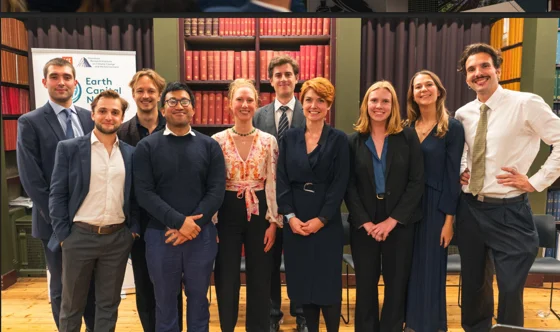
Earth Capital Nexus to unlock investment in nature
The initiative brings together research, finance and policy expertise to make nature visible in financial decision-making and help unlock sustainable investment in restoration and resilience.
Unlocking corporate finance for nature
Grantham Research Centre research shows why voluntary giving for the Cali Fund falls short and sets out policy options options to increase corporate contributions.

Food (In)security Lab informs global policy
The Lab connects research on climate, food systems and nutrition to help address evidence gaps and inform global policy.

Highlights from our research centres (Grantham Research Centre, CETEx and TPI Centre)
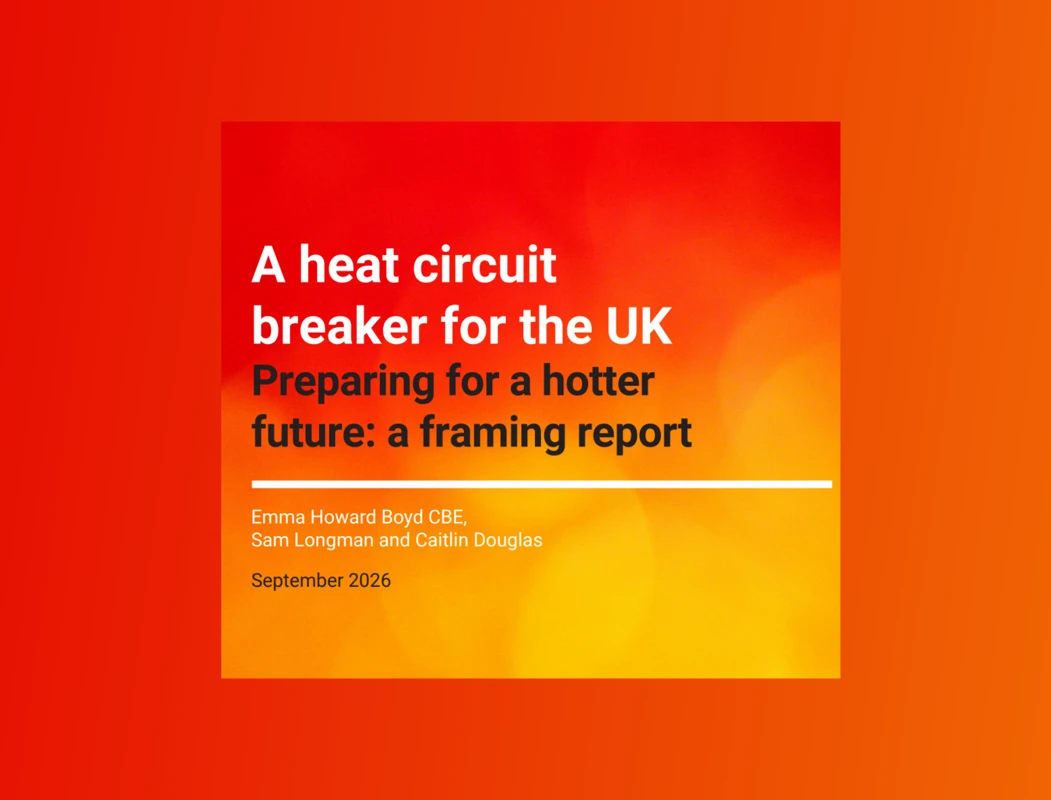
A heat circuit breaker for the UK - report published
UK National Heat Risk Commission led by Emma Howard Boyd CBE at Grantham Research Centre highlights failure to prepare for high temperatures after summer of unprecedented heatwaves with new report.
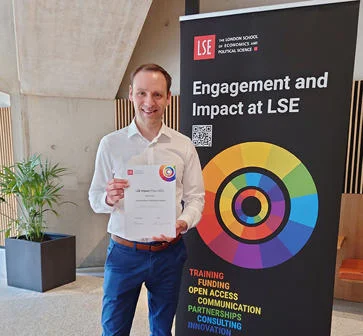
Global adaptation indicators adopted at COP30
Dr Timo Leiter at Grantham Research Centre co-facilitated a two-year expert process producing 59 global adaptation indicators, adopted by 194 countries at COP30, winning the LSE Impact Prize for Outstanding Individual Impact.
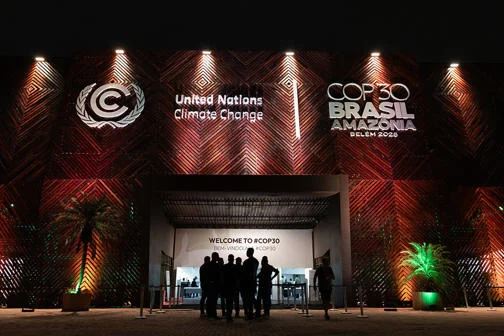
Independent High Level Expert Group COP30 analysis defines agenda on climate finance
Successive IHLEG reports have set the global finance agenda for the next two years, underpinning the Baku to Belém Roadmap presented to COP30’s Circle of Finance Ministers.
TPI Centre Net Zero Standards Framework assesses 22 companies worth US$2.8 trillion
Developed with the Institutional Investors Group on Climate Change (IIGCC), the framework tests whether oil, gas and mining decarbonisation plans have quantified levers and credible capital expenditure plans.

TPI Centre data underpins UK electric car grant
The UK Department for Transport's Electric Car Grant uses TPI Centre Carbon Performance and Management Quality assessments as one of two qualifying routes for vehicle producers.

TPI Centre pioneers first Carbon Performance methodology for the chemicals sector
New TPI Centre methodology splits chemicals into three subsectors, enabling fair benchmarking for the first time. Adding 23 companies takes Carbon Performance coverage to 580 companies across 13 hard-to-abate sectors.
Highlights from our regional programmes and initiatives
China Green Development Lab launched at LSE by the Global School of Sustainability and the Grantham Research Institute
The China Green Development Lab is a new initiative focused on China’s green transition and its growing role in shaping global climate action.
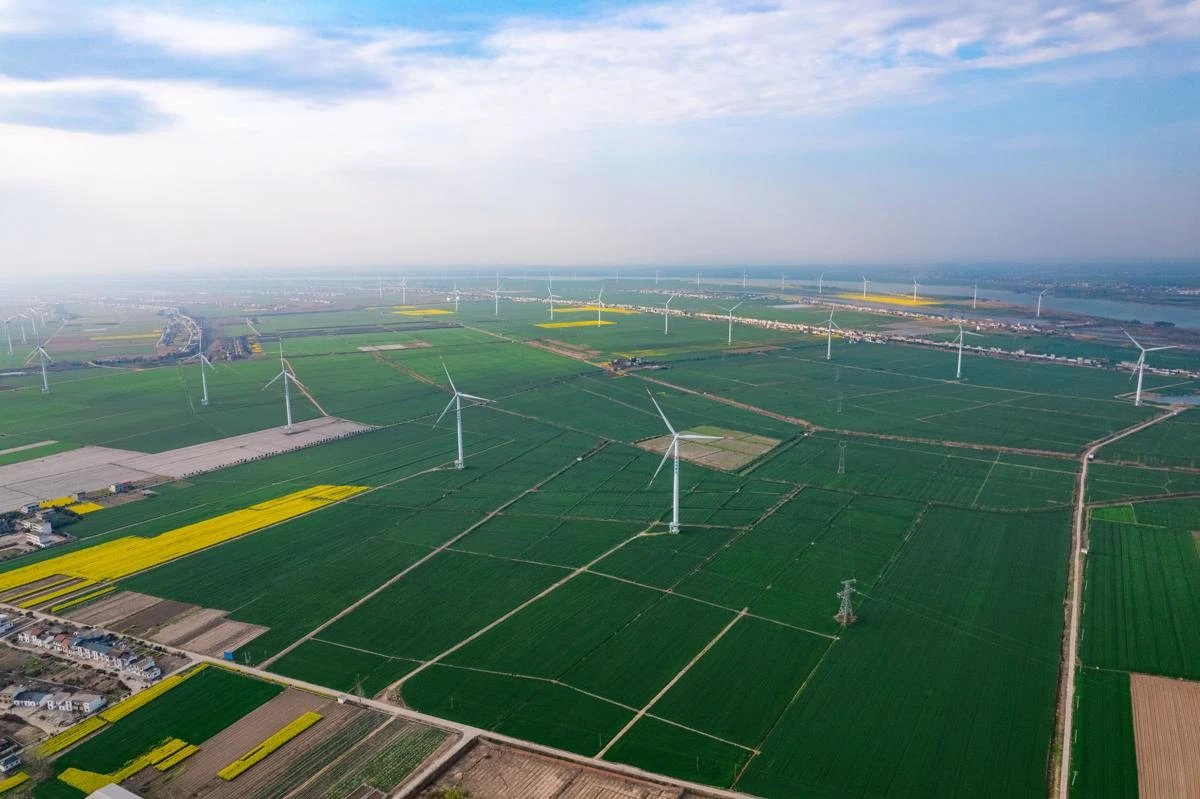
Research on Chinese clean tech investment shapes media and policy debate
Research led by Mathias Larsen provides the first comprehensive account of Chinese outward investment in clean tech manufacturing, now around USD 100 billion per year, based on data collected across 500+ investments.