

From the classroom to the big screen

MSc Gender, Media and Culture alum Eric Yip shares how his studies helped him create space for queer stories at the Hong Kong Lesbian and Gay Film Festival
After graduating, I worked this summer at the Hong Kong Lesbian & Gay Film Festival (HKLGFF) as the University Tour Coordinator. HKLGFF was founded in 1989 and is the longest-running LGBTQ+ film festival in Asia. The festival aims to create space for queer stories and conversations while promoting equality and challenging discrimination through films, and this year marked its 37th edition.
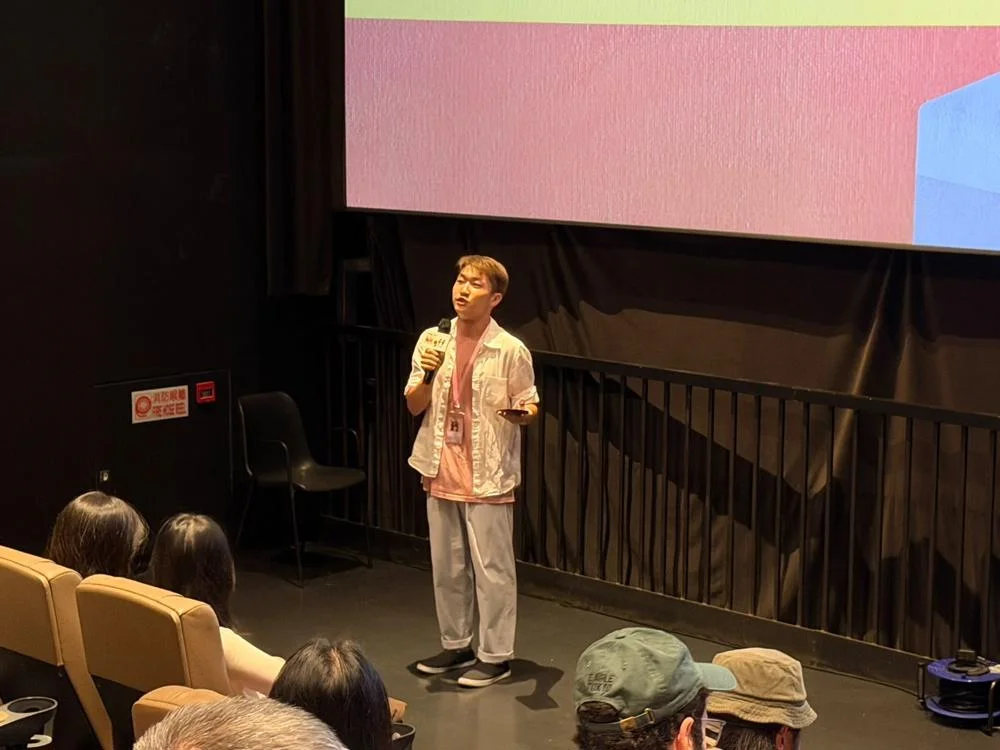
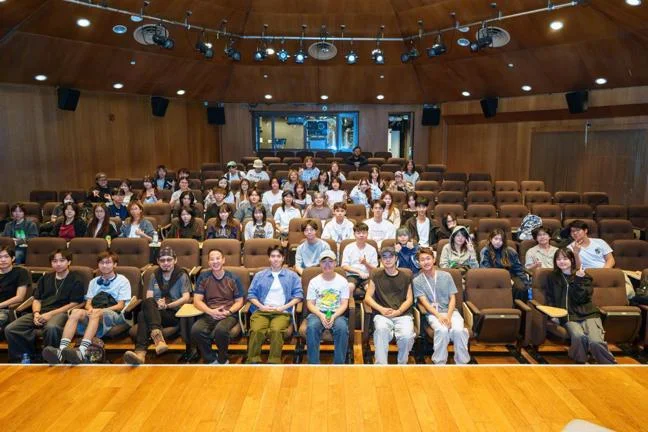
My main role as the University Tour Coordinator was to bring local queer short films from two programmes, Her Stories and Love in Pink, to six universities across Hong Kong within two weeks. I coordinated with university staff and filmmakers, organised screenings, and facilitated Q&As and discussions with students. The university screenings were often incorporated into classes ranging from gender and queer studies to cultural and media studies, with many also open to the wider university community. I could be speaking to first-year students who were completely new to Gender Studies alongside postgraduate students already working in the field.
One of the main reasons I chose to study the MSc in Gender, Media and Culture was because I wanted to understand how gender and queer issues could be examined through media and visual materiality and how to approach these questions from different disciplinary perspectives. Modules such as Gender, Media and Representation and Screening the 21st Century turned out to be particularly relevant to my work at HKLGFF. Since the tour took place at the beginning of the academic year, discussions started with relatively accessible questions before moving into bigger debates about representation, identity and spectatorship. This reminded me a lot of the panel-style discussions we had in the Screening module. I also found myself drawing on concepts such as intersectionality and permeability that I had explored in my dissertation on queer gazing.
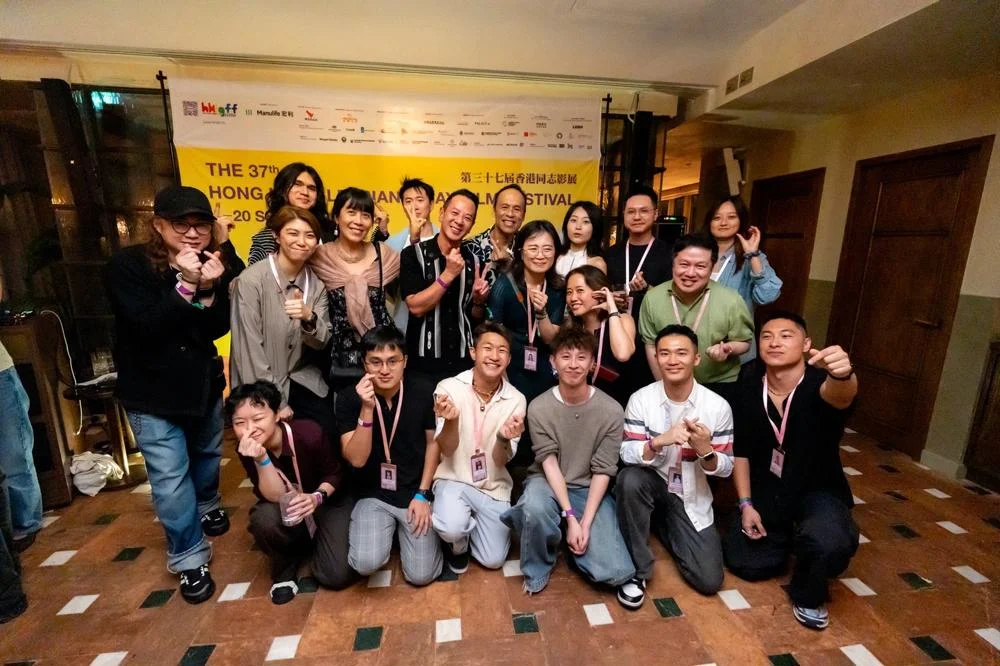
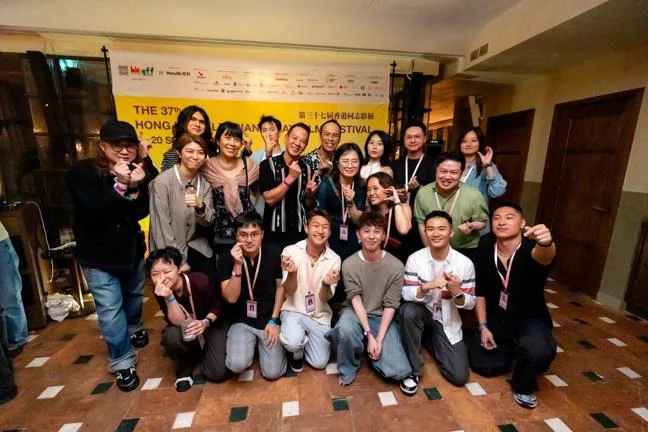
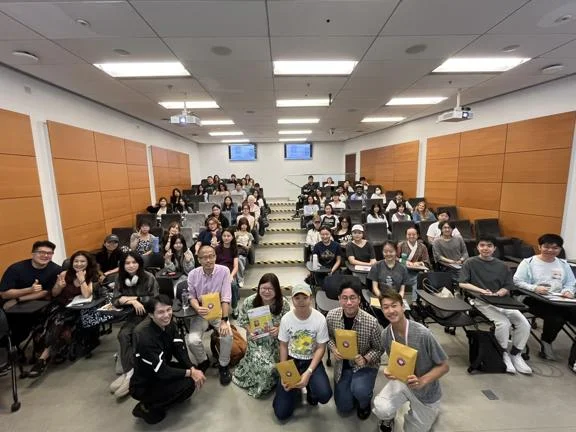
After screenings, I often hosted the filmmakers, which gave me an insight into the work happening behind the scenes. One particularly memorable conversation was with filmmaker Monika Treut. We ended up talking about Céline Sciamma, who had spoken at LSE Gender in 2026, which felt like a lovely connection between my time at LSE and my work at the festival. Those conversations helped me understand much more about curating a queer film festival from a practitioner’s perspective, especially in Hong Kong.
It was quite funny to think back to when I first arrived at LSE and was not entirely sure what Gender Studies involved or where it might take me. By the end of my studies, I had come to understand “queer” not simply as an identity category, but also as a way of questioning norms and thinking across different intersections. Working at the festival gave me a very practical opportunity to put those ideas into conversation with films, filmmakers and audiences.


My advice for LSE Gender students who are interested in working in film or media would be to watch as many films as you can! Since London has so many film festivals, screenings, talks and queer media events happening throughout the year. Go to them when you can and consider volunteering as well. You might get free tickets, but more importantly, volunteering gives you a taste of the administration and logistics behind these events and lets you meet people working in the field. I only started doing this in Winter Term, but still managed to get involved with events including BFI Flare, Queer East and Open City, among others. Those experiences gave me a much better sense of how the film festival world works beyond simply being an audience member. Indeed, you should also make full use of your student discount while you still have it!
And finally, be bold enough to ask for opportunities. Not every opportunity appears in a job advert. My role at HKLGFF started because I simply emailed them and said I was interested and happy to contribute wherever my skills could be useful. Academic work is obviously important, but don’t let it become the only part of your degree. Go outside the classroom, explore what is happening around you and talk to people. Sometimes those experiences will even give new ideas that you can bring back into your academic work.