

Political Ecologies of Loss: Human-Elephant Conflict Amidst (Counter-) Insurgency, Famine and Climate Change in Karamoja
In Karamoja (north-eastern Uganda), people are increasingly facing violence inflicted upon them by a growing elephant population. The losses caused by elephants - the destruction of crops and death - needs to be understood in the broader context of the political and economic exploitation of the region dating back to the colonial period.
Due to climate change elephants are increasingly looking for food and water outside of the borders of the Kidepo Valley National Park. Some bodies of water are taken over by elephants depriving both livestock and people from accessing water. Pressures from poachers in South Sudan becomes yet another threat to the animals, making them move from the north of the park to the southern and western fringes of the park. In these areas people mostly depend on agriculture for their livelihoods. Increasingly elephants destroy crops at a consumable stage, leaving people with nothing to harvest – and in total despair.
At the moment, UWA and other conservation organisations do not try to keep the elephants within the borders of the park. Instead, conservationists operating in Karamoja aim to follow a ‘landscape approach’ to conservation that invovles the promotion of conservancies, wildlife corridors and tourism activities in the "Kidepo landscape". This project analysed if these projects account for the multi-layered wounded landscape they operate in.
From a public authority perspective, the project looked at how conservation actors and projects aims to mitigate human-elephant conflicts, and position themselves in relation to other public authorities in the region; government forces, warriors and local authorities.
Focused on the people living in the wider Kidepo landscape and along the elephant corridors the project looked at the different forms of loss they are experiencing. Academic and media accounts of the region mostly focussed on armed cattle rustling, and Ugandan violent disarmament operations in the region. This overlooked how this violent environment influenced relations between humans and elephants.
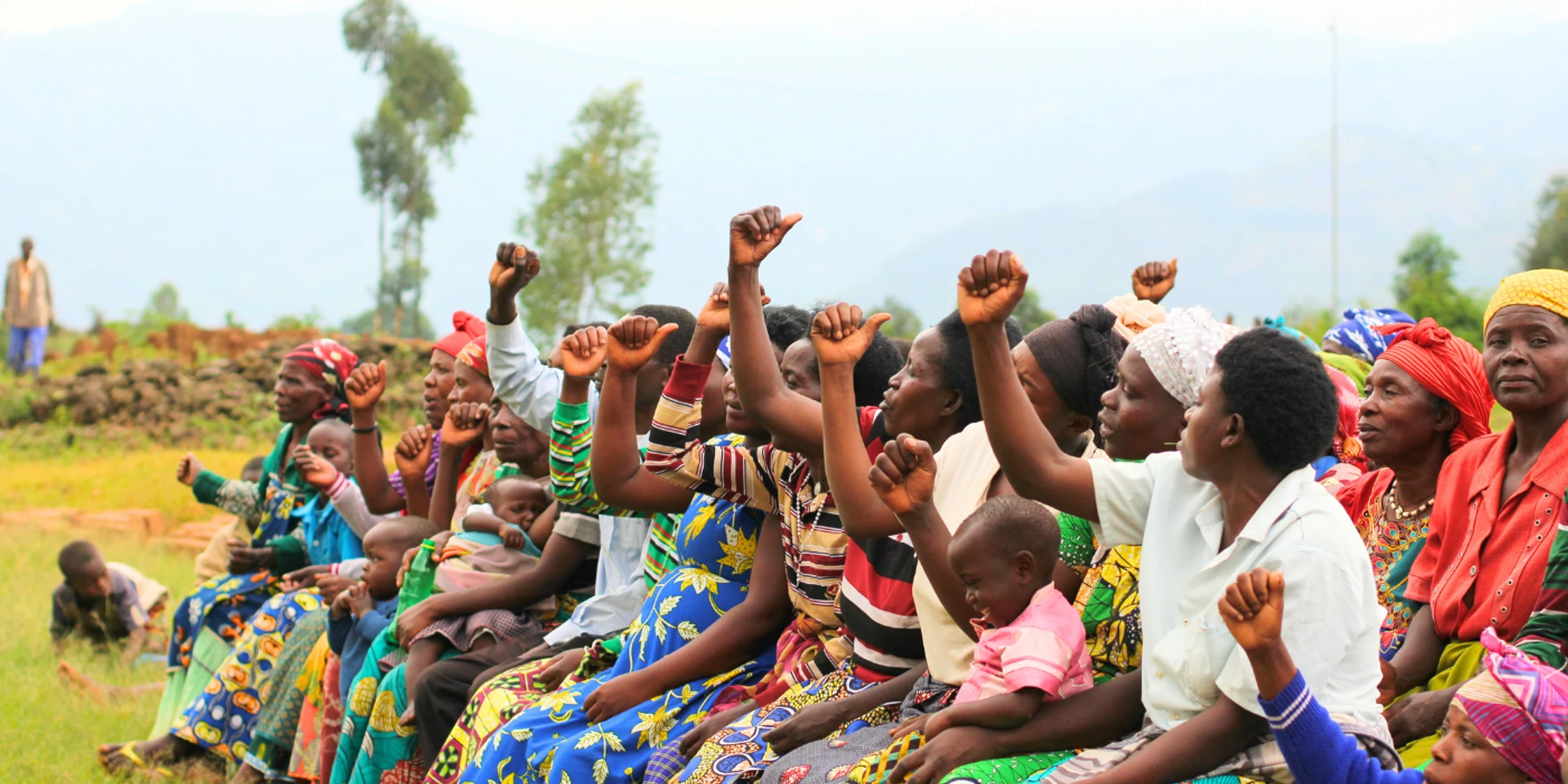
The project brought people together to talk and reflect about the past and future of conservation in the region of Karamoja. How to agree on a conservation approach that is attentive for the precarious security situation people are in, and that can help people and the elephants adapt to the worsening impact of climate change in the region.
Researchers

Esther is an Assistant Professor at the Sociology of Development of Change (SDC) chairgroup at Wageningen University and Research, and a visiting research fellow at the Centre of Public Authority and International Development, LSE.

Agnes Lotukei
Agnes Lotukei is the director of Kapei Foundation in Karamoja, and an independent researcher.