

About
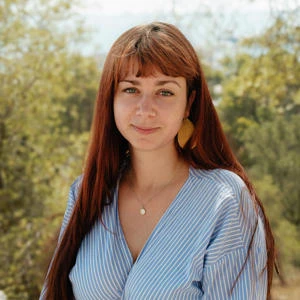
Raquel has worked for almost a decade as a policy analyst and narrative researcher, focusing on inequality, political narratives and social division. She has worked across UK civil society and at New York University’s Center on International Cooperation, where she led a programme on countering polarisation and reducing inequalities, and developed the Inequality Solutions Portal. Her work bridges social research, strategic political communications and multi-stakeholder dialogue, with a focus on strengthening solidarity and democratic resilience. She previously led the UK Race-Class Narrative project and continues to work with grassroots organisations to challenge divide-and-rule politics and advance inclusive class politics.
Research Topic:
Toward an inclusive class metapolitics: exploring inequality, identify, and the narratives that make or break solidarity
Supervisors:
Professor Chetan Bhatt and Professor Kristin Surak
Research Interests:
Social class and inequality, strategic political communications, policy framing and public attitudes, public policy and political discourse, polarisation
Research
At a time of growing economic inequality and political polarisation, questions of class, identity and solidarity have become increasingly central to political debate. Yet there is often a disconnect between how inequality is understood and communicated by progressive political actors and how it is experienced, interpreted and understood in everyday life.
The research explores the relationship between everyday experiences and subjective understandings of class and inequality, and the political narratives through which class identities and collective interests are articulated and mobilised. It asks: How does the relationship between elite progressive political narratives and everyday understandings of inequality shape the possibilities and limits of class solidarity across social and racial differences?
Drawing on sociological theories of class formation, identity, ideology and discourse, the project examines how people understand their own class position, construct social boundaries, attribute responsibility for inequality and identify shared or competing interests. Using qualitative interviews and critical discourse analysis, it brings everyday understandings of inequality into dialogue with progressive political discourse, exploring both how political narratives resonate with, challenge or reshape people's existing understandings, and how working-class perspectives might confront and challenge the narratives produced by political actors.
Ultimately, the research seeks to contribute to our understanding of the subjective and political processes through which class identities are formed, and the conditions under which an inclusive class politics might emerge in contemporary Britain.