
The Other Pandemic: how QAnon contaminated the world
Speaker

Pulitzer Prize-winning investigative journalist James Ball talks about his new book, The Other Pandemic: How QAnon Contaminated the World, which takes us into the depths of the internet to trace the origins and rapid ascent of QAnon – the world's first digital pandemic – and how we can build immunity.
Imagine a deadly pathogen that, once created, could infect any person in any part of the globe within seconds. No need to wait for travellers, trains, or air traffic to spread it, all you need is an internet connection. In his new book, James Ball decodes the cryptic language of the online right and with a surgeon's precision tracks the spread of QAnon, the world's first digital pandemic. QAnon began in 2017 as an internet community dedicated to supporting President Trump and intent on outing a global cabal of human traffickers. What started as a macabre game of virtual makebelieve quickly spiralled into the spread of virulently hateful, dangerous messaging – which turned into tragic, violent actions. From a standoff at the Hoover Dam, to the storming of the U.S. Capitol on 6 January 2021, to protesting COVID-19 lockdowns, this digital pandemic has spread globally and shows no signs of stopping.
Meet our speaker and chair
James Ball (@jamesrbuk) is a Fellow at the Centre for the Analysis of Social Media, Demos, and the author of multiple books, including Post-Truth and The System. He has worked for the Bureau of Investigative Journalism, BuzzFeed, the Guardian and the Washington Post and his reporting projects have won the Pulitzer Prize for public service, the Scripps Howard Prize and the British Journalism Award for investigative reporting, among others.
Charlie Beckett (@CharlieBeckett) is the founding director of , the think-tank for research and debate around international journalism and society in the Department of Media and Communications at LSE.
Twitter Hashtag for this event: #LSEDigitalPandemic
Podcast
A podcast of this event is available to download from The Other Pandemic: how QAnon contaminated the world.
Podcasts and videos of many LSE events can be found at the LSE Public Lectures and Events: podcasts and videos channel.
Many speakers at LSE events also write for
, which present research and critical commentary accessibly for a public audience. Follow
, the
, the
,
and the
to learn more about the debates our events series present.
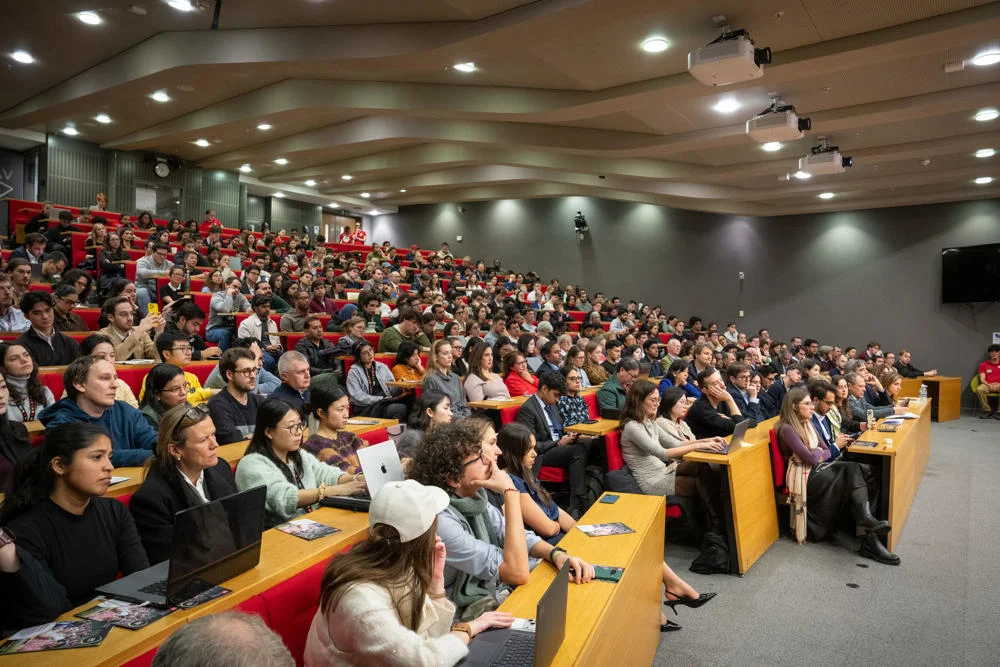
Photographs taken on behalf of LSE are often used on our social media accounts, website and publications. At events, photographs could include broad shots of the audience and lecture theatre, of speakers during the talk, and of audience members as they participate in the Q&A.
If you are photographed participating in an event Q&A but would not like your photograph to be stored for future use, please contact events@lse.ac.uk.
We aim to make all LSE events available as a podcast subject to receiving permission from the speaker/s to do this, and subject to no technical problems with the recording of the event. Podcasts are normally available 1 week after the event.
of past events can be found online.
Follow LSE public events on Twitterfor notification on the availability of an event podcast, the posting of transcripts and videos, the announcement of new events and other important event updates. Event updates and other information about what’s happening at LSE can be found on the LSE's Facebookpage and for live photos from events and around campus, follow us on Instagram. For live webcasts and archive video of lectures, follow us on YouTube.
LSE in Picturesis a selection of images taken by the school photographer.
If you are planning to attend this event and would like details on how to get here and what time to arrive, as well as on accessibility and special requirements, please refer to
. LSE aims to ensure that people have equal access to these public events, but please contact the events organiser as far as possible in advance if you have any access requirements so that arrangements, where possible, can be made. If the event is ticketed, please ensure you get in touch in advance of the ticket release date.
Access Guides to all our venues can be viewed online
.
LSE has now introduced wireless for guests and visitors in association with 'The Cloud', also in use at many other locations across the UK. If you are on campus visiting for the day or attending a conference or event, you can connect your device to wireless. See more information and create an account at Join the Cloud.
Visitors from other participating institutions are encouraged to use
. If you are having trouble connecting to eduroam, please contact your home institution for assistance.
The Cloud is only intended for guest and visitor access to wifi. Existing LSE staff and students are encouraged to use
instead.
LSE holds a wide range of events, covering many of the most controversial issues of the day, and speakers at our events may express views that cause offence. The views expressed by speakers at LSE events do not reflect the position or views of The London School of Economics and Political Science.
From time to time there are changes to event details so we strongly recommend that if you plan to attend this event you check back on this listing on the day of the event.
LSE holds a wide range of events, covering many of the most controversial issues of the day, and speakers at our events may express views that cause offence. The views expressed by speakers at LSE events do not reflect the position or views of the London School of Economics and Political Science.
Subscribe to the LSE Events newsletter