

Safety of Strangers
Understanding the Realities of Humanitarian Protection
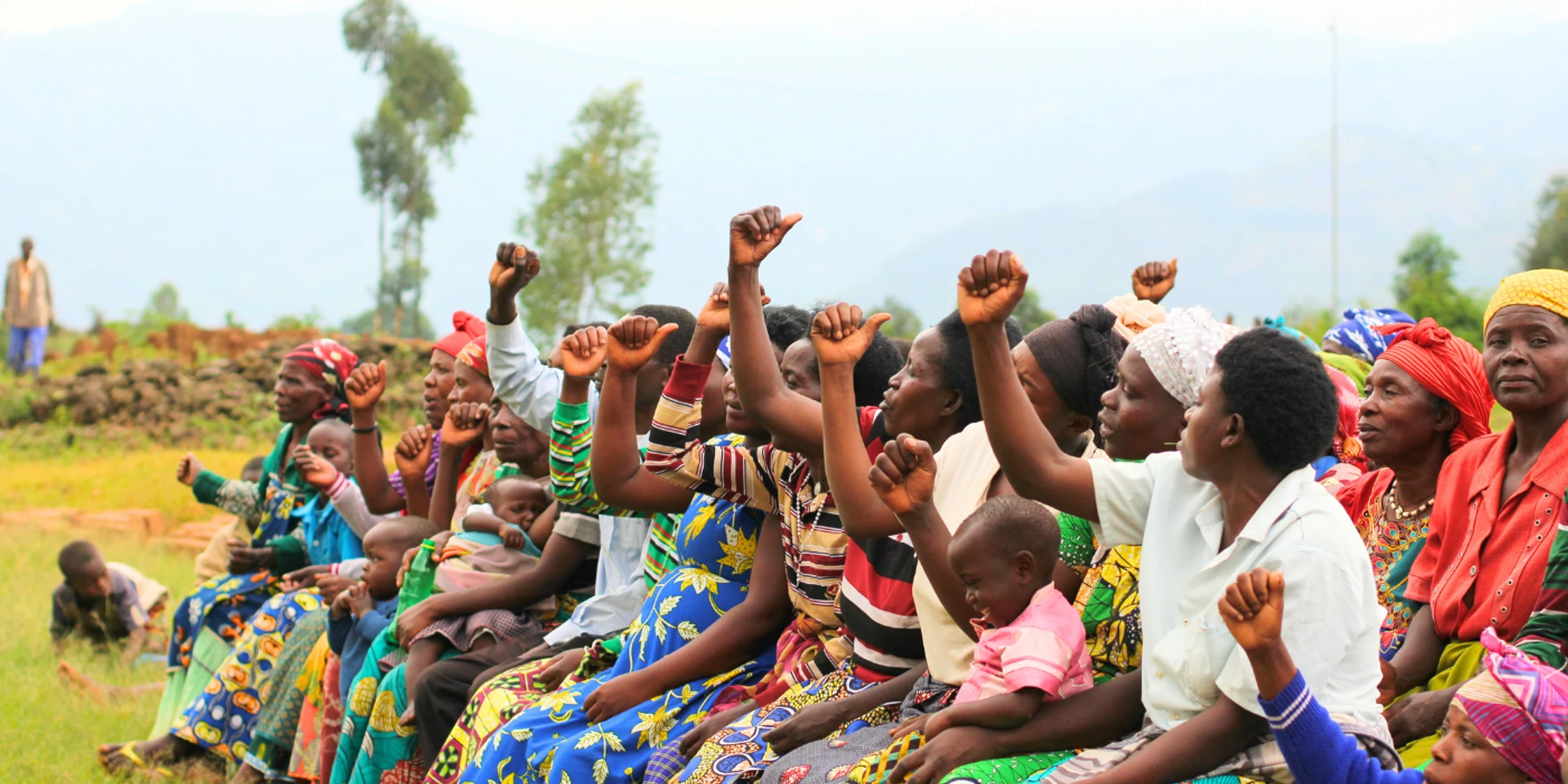
Humanitarian protection is a contested, contingent and muddled concept. In the daily realities of keeping strangers in violent conflict safe, the confusion surrounding humanitarian protection has prompted reinterpretations of safety that not only challenge humanitarian practice but also remake its assumptions about morality and authority.
Can humanitarian protection further entrench unequal structures of power?
That is acutely so in parts of Africa, where the underlying motivations for humanitarian action have both been challenged by political leaders and often seem compromised or confusing to those most affected by humanitarian crises. The Safety of Strangers project investigated these realities by exploring the impact of local protection mechanisms in South Sudan and its borderlands, which has been a primary site for testing humanitarian protection ideas.
The research included a broad range of disciplinary approaches including anthropology, history, theology, ethnomusicology and curatorial studies. Central to the research and its impact was the training and mentorship of a cohort of early career African scholars in South Sudan and Uganda, while partnering with international and South Sudanese humanitarian protection actors to ensure the research was practical for those who seek to provide protection.
Outputs
Janguan, T., Kirk, T. (2023) Hiding in plain sight: IDP's protection strategies after closing Juba's protection of civilian sites. Global Policy.
Pendle, N. & Craze, J., (2020). A Fantasy of Finality: The UN Impasse at the Protection of Civilian Sites in South Sudan. African Arguments.
Researchers

Tim Allen
Professor Tim Allen is Director of the Firoz Lalji Institute for Africa and the Head of the Department of International Development at LSE. He is currently the PI for the five-year ESRC-funded Centre for Public Authority and International Development.
Email: T.Allen@lse.ac.uk

Naomi Pendle
Dr Naomi Pendle focuses on public authority, patterns of violence and local governance in South Sudan. Naomi has conduced ethnographic research in South Sudan since 2009, with a focus on Nuer and Dinka communities.
Email: N.R.Pendle@lse.ac.uk
Leben Nelson Moro
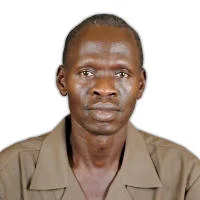
Leben is Director of Planning, Innovations and Quality Assurance at the University of Juba. He primarily conducts research on conflict, displacement and resettlement, focusing on oil, conflict and displacement in South Sudan.
Email: leben_moro@yahoo.com
Grace Akello
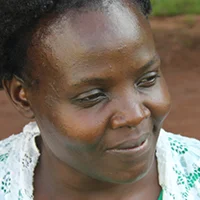
Dr Grace Akello is a Visiting Professor at the Firoz Lalji Institute for Africa and researcher at Gulu University. Grace focusses on how young people in complex emergencies and the context of HIV/AIDS prioritise and manage their health complaints.
Email: akellograce@hotmail.com
The Centre for Public Authority and International Development explores how forms of public authority shape and are shaped by interlocking global challenges with risks and opportunities for development and inclusive growth.

Gulu University provides skilled human resources in education, health, agriculture, technology, peace and security. A pillar of academic and sustainable development, it strives to transform communities and conserve biodiversity.

The University of Juba is a comprehensive premier university of South Sudan. Established in 1975, it currently boasts 20,000 students spread across 15 Schools, 3 Colleges, 3 Institutes, and 4 specialised centers, based in downtown Juba.