

Historical and Political Dynamics of the NGO Sector in South Sudan
Informing the localisation agenda
LSE Principal Investigtor: Naomi Pendle
Co-investigator: Leben Moro
Co-investigator: Lydia Tanner
Co-investigator: Alice Robinson
Researcher: Ngot Mou
Launched in 2019, the study sought to understand the historical and political dynamics of local and national NGOs in South Sudan. Investigating these organisations’ origins, institutional development and contemporary functions, the project informed the UK Department for International Development’s engagement with the localisation agenda in South Sudan.
How have South Sudanese NGOs evolved since the 1990s?
More than focusing on material dynamics and constraints, the project sought to understand the way diverse local and national NGOs approach, understand and navigate the challenges of delivering aid in South Sudan, how they engage with wider political economies and how their ideological basis becomes entangled and reimagined in the process.
Researchers Dr Naomi Pendle and Alice Robinson at LSE worked with researchers from the University of Juba and The Research People consultancy.
Researchers

Naomi Pendle
Dr Naomi Pendle focuses on public authority, patterns of violence and local governance in South Sudan. Naomi has conduced ethnographic research in South Sudan since 2009, with a focus on Nuer and Dinka communities.
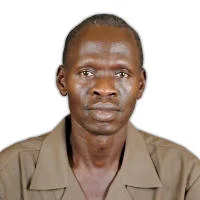
Leben Nelson Moro
Leben is Director of Planning, Innovations and Quality Assurance at the University of Juba. He primarily conducts research on conflict, displacement and resettlement, focusing on oil, conflict and displacement in South Sudan.
Email: leben_moro@yahoo.com

Lydia Tanner
Lydia Tanner leads The Research People. She has delivered more than 40 research and consultancy projects for local, national and international NGOs and donors. Lydia completed a PhD in information engineering at Oxford University.
Email: lydia@theresearchpeople.org

Alice Robinson
Alice Robinson was a PhD student at LSE's Department of International Development at the time of this project. Her doctoral research focused on the histories and everyday practices of local NGOs in South Sudan, and their role in humanitarian response.
Email: A.M.Robinson@lse.ac.uk
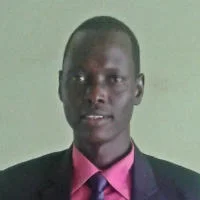
Ngot Mou
Ngot is an experienced qualitative researcher who has worked on a range of studies on the histories and logics of public authority in South Sudan. He also has experience in oil field environmental remediations and has previously worked in the NGO sector in South Sudan.
Humanitarian engagement in South Sudan has been shaped by political events and violent conflicts that have led to severe and protracted humanitarian crises. The local and national NGO sector in South Sudan has its origins in the wars of the 1980s and 1990s, and has been shaped by the post-2005 reconfigurations of governments and NGOs and the escalation of armed conflict in December 2013 and July 2016. This post-2013 period has prompted further evolution in the numbers of L/NNGOs involved in the humanitarian response in South Sudan, and the amount of funding they receive has grown substantially since 2013.
This evolution gives rise to various questions, particularly how organisations have developed institutionally and in terms of socio-political authority. The study looked back to Operation Lifeline Sudan (OLS) and the period immediately after the Comprehensive Peace Agreement (CPA), as well as more recent events to consider the changing number and size of organisations, their thematic focus and activities, as well as their relationships with communities, beneficiaries, other authority figures and the political system itself.
The study aimed to understand how NGOs at local and national levels have been shaped by major events such as the Comprehensive Peace Agreement and South Sudan's independence as well as, more recently, the changes associated with the conflict in December 2013 and July 2016. The project further sought to grasp the leadership styles and composition of local and national NGOs and what the realities are for managing funding shortfalls or gaps, and how they cope.
The main objectives of this research were:
- To better understand the historical, political, social and geographical dynamics of local and national NGOs in South Sudan, including a deeper understanding of how the NGO sector has evolved over time and how these organisations have developed institutionally;
- To understand the ways in which local and national NGOs influence and are influenced by their external environment, and how this shapes their institutional and programming decisions;
- To identify the implications for DFID South Sudan’s engagement strategy with local and national humanitarian actors and the localisation agenda in South Sudan.
The project published two reports to further understandings of the struggles and strategies of local and national organisations during complex emergencies. Moving beyond global-level debates, the reports focus on the histories, politico-economic dynamics and everyday realities of South Sudanese NGOs during South Sudan’s armed conflicts and intermittent periods of peace.
Drawing on ethnographic and historical research in sites across South Sudan, the team conducted consultations with over 200 people in urban and rural areas working for local and national NGOs, as well as local communities, authorities and former staff.
Bringing local perspectives to global debates on localisation, the report makes a rare contribution to knowledge on the everyday efforts and motivations of South Sudanese NGOs, and structural issues within the aid sector.
Read the full project report here.
Read the short policy paper with recommendations for donors in South Sudan.
This research project included a robust review of academic and grey literature on local and national NGOs in South Sudan. In addition, researchers conducted primary data collection in five distinct sites in South Sudan: Akobo, Ganyliel, Juba, Wau and Yambio, with the aim of developing a deeper understanding of similarities and differences across and within different locations. In each site, researchers conducted key informant and life history interviews and focus group discussions, seeking to construct organisational histories to understand the trajectories of specific local and national NGOs.
The Centre for Public Authority and International Development explores how forms of public authority shape and are shaped by interlocking global challenges with risks and opportunities for development and inclusive growth.

The Research People delivers research, evaluations, learning reviews and strategic support to humanitarian agencies responding to emergencies across Africa and Asia. Its goal is to deliver outstanding humanitarian consultancy that promotes more effective local response.
This research project was funded by the UK Department for International Development (DFID) through the Research for Evidence Division for the benefit of developing countries. However, the views expressed and information contained in it is not necessarily those of or endorsed by DFID, which can accept no responsibility for such views or information or for any reliance placed on them.