
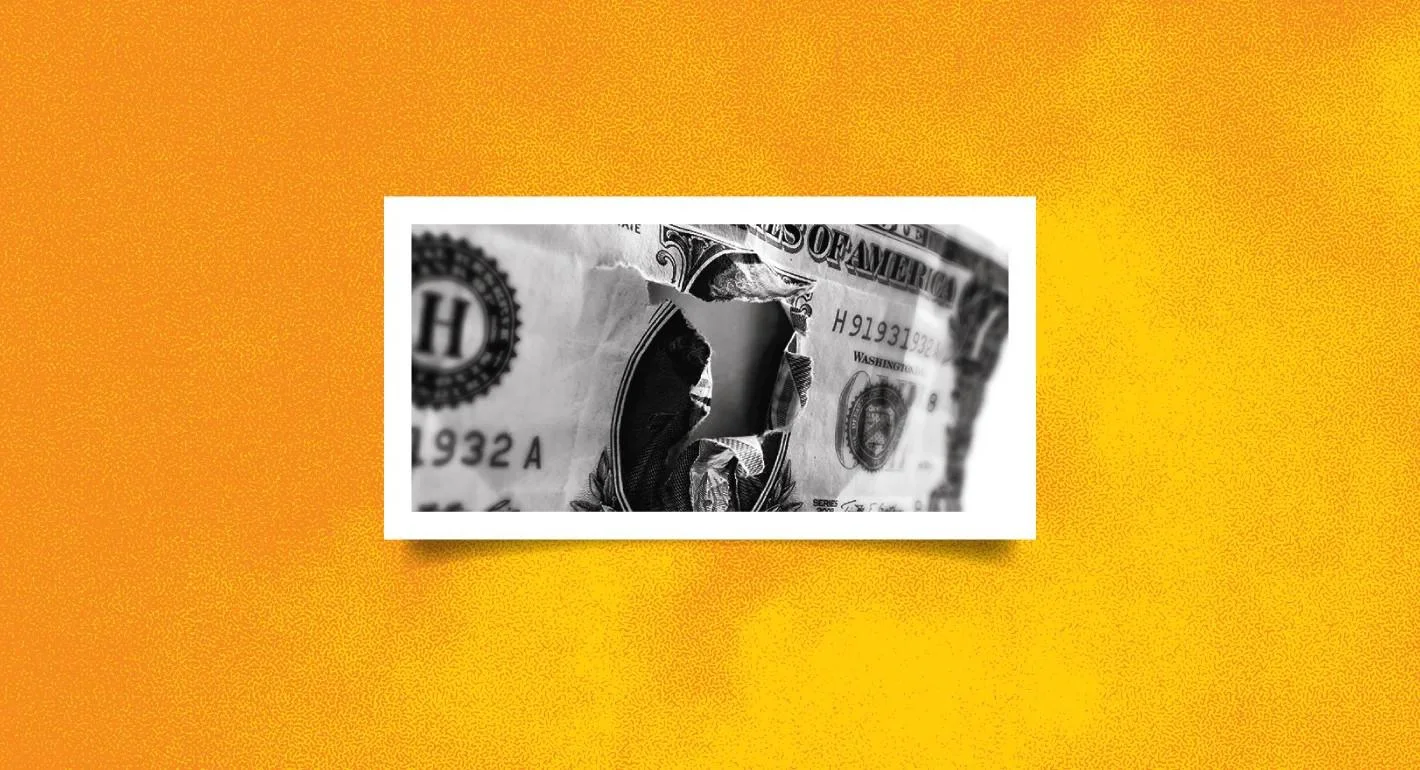
Is the era of the ‘Hollow Dollar’ beginning? New paper by Professor Alexander Evans explores shifts in global financial power
Professor Alexander Evans of the School of Public Policy has published a new paper titled The Hollow Dollar, released by the British Academy in partnership with the Carnegie Endowment for International Peace.
In the paper, Professor Evans examines whether the dominance of the US dollar in global finance, long a central pillar of American geopolitical influence, is beginning to erode. While the dollar remains the world’s primary reserve currency, he argues that its centrality in international payments systems is increasingly being contested.
A key focus of the analysis is the weaponisation of the dollar, particularly through sanctions policy and the extraterritorial reach of the New York banking licence. These tools have strengthened US leverage over recent decades, but they have also prompted strategic responses from major powers including China, Russia and India. Alternative payment systems, local currency trade settlements and new digital financial infrastructures are gradually emerging in response.
Professor Evans describes this process as a “hollowing” of the dollar’s infrastructural dominance. The shift may be slow and partial, but it is geopolitically significant. Rather than signalling the end of dollar supremacy, it points to the possible fragmentation of the global financial system, reduced effectiveness of US sanctions, and a diminished centrality for traditional financial hubs such as New York and London.
The implications for global order are subtle yet potentially profound. A less dollar dependent system may facilitate a more multipolar world, but it could also weaken the liberal democratic influence embedded in existing financial institutions and governance structures.
By situating currency politics within broader questions of global order and disorder, The Hollow Dollar contributes to urgent debates about the future of economic statecraft, financial power and geopolitical competition.
Read the full paper here.