

Devolution economics: can local decision making strengthen Britain’s economies?
Last Monday the School of Public Policy co-hosted a public event with the LSE Growth Lab titled “Devolution economics: can local decision making strengthen Britain’s economies?”. The discussion brought together policymakers, economists and business leaders to explore the opportunities and risks of increased devolved policymaking across the UK.

With devolved elections in Scotland and Wales approaching in 2026, alongside local elections across England, the event examined how greater local decision making could shape the economic future of Britain’s nations and regions. Speakers reflected on how devolution might strengthen economic development, empower communities and allow policy to better reflect local needs, while also considering the challenges and trade-offs that may arise.
Our expert speakers included:
• Rhun ap Iorwerth, Leader of Plaid Cymru and Member of the
Senedd for Ynys Môn
• Lorena López de Lacalle, President of the European Free Alliance
• Chelsea Pinches-Burrowes, Founder of WCS Agency and owner of Cardiff Life
Magazine and the Cardiff Life Awards
• Graeme Roy, Chair of the Scottish Fiscal Commission and Professor of
Economics at the University of Glasgow
The discussion was chaired by Richard Davies, Director of the UK’s Economics Observatory and the LSE Growth Lab.
Throughout the conversation, speakers drew on their first-hand experience of devolved governance, economic development and regional policy to consider what a more decentralised UK might look like. The panel explored the potential for locally driven economic strategies, the importance of regional identity and leadership, and how devolved institutions could support innovation, investment and long-term growth.
At the same time, the discussion highlighted important questions about the balance of power between national and regional governments, the fiscal and institutional capacity required for successful devolution, and the potential risks of uneven economic outcomes across different parts of the UK.
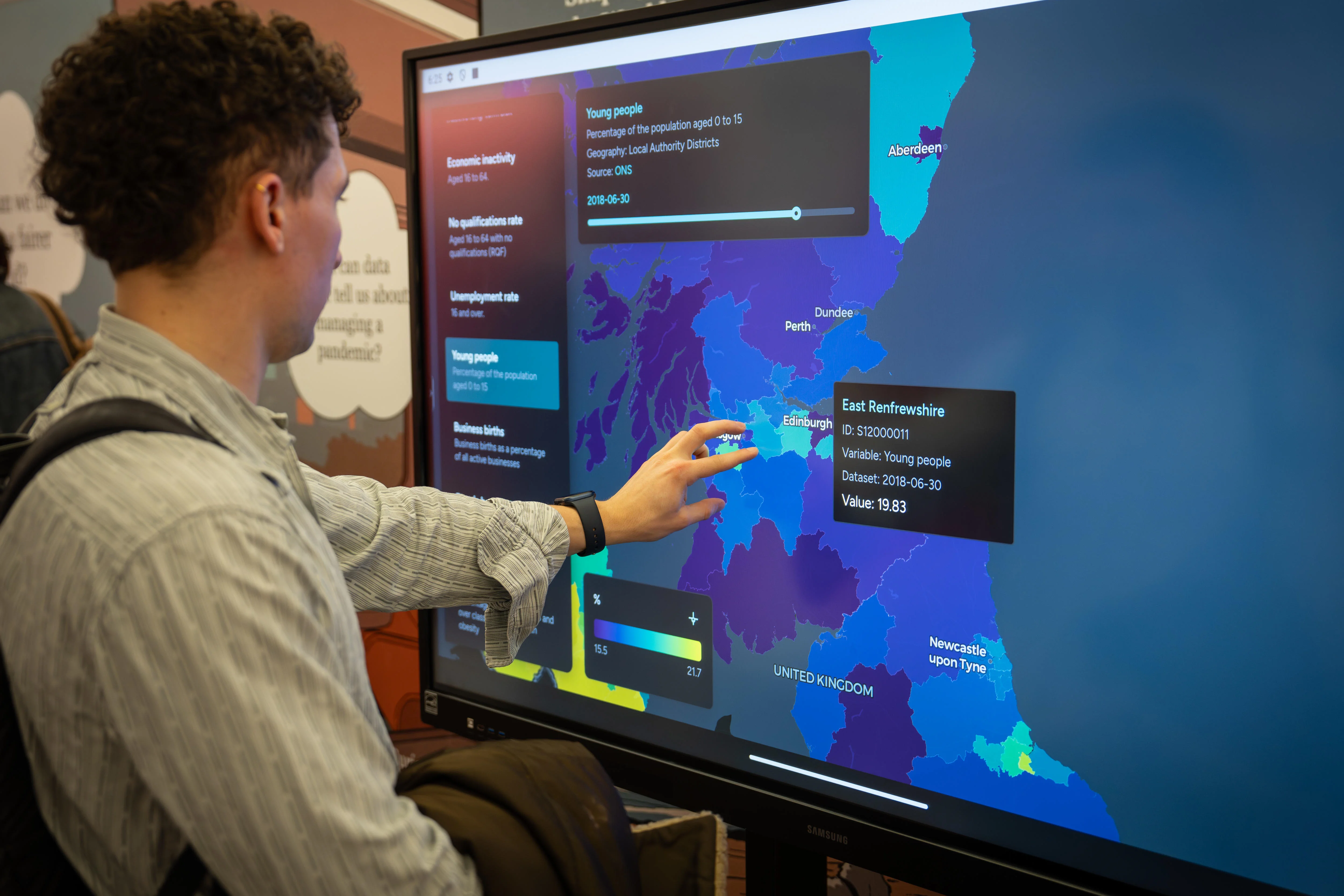
The event welcomed an engaged audience both in person and online, with attendees contributing thoughtful questions and perspectives on the future of local decision making in Britain.
Following the discussion, guests continued the conversation at a drinks reception, providing an opportunity for speakers, students and attendees to connect and exchange ideas.
Watch the event recording: Event Recording