

Spotlight on Methodology Alumni: Albert
Every month, the Department of Methodology shares stories from its alumni to inspire and demonstrate the real-world impact of a Methodology education.
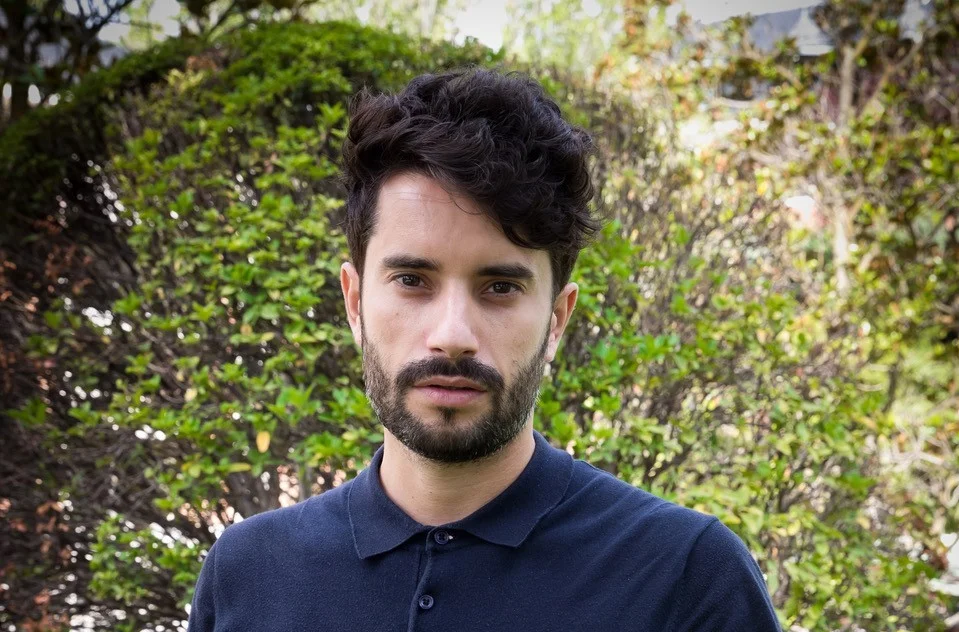
Albert is a Senior Researcher at the Centre for Sociological Research. He graduated from our MSc in Social Research Methods in 2011.
We asked him to tell us about his time at LSE, and why he chose LSE Methodology.
Albert said:
“At the beginning I was a bit overwhelmed — both by the city and by the prestige of the university. I had won a scholarship in Spain to pursue my master’s, and I really wanted to live up to expectations.
“I chose to study at LSE because I’d heard it was one of the best places in the world to study social sciences, and I went for the master's in methodology specifically because I believed it would give me a solid foundation for an academic career later.
“As the course progressed, my confidence grew, and that initial “paralysis” turned into real eagerness to learn and make new friends. Early on, most of my afternoons went into studying and settling into university life, but little by little I carved out more time for sports and plans with friends across London. The discounted student tickets for the London Philharmonic Orchestra were a particular highlight — I went several times. I also joined the LSE Spanish Society, where I made good friends, took part in their events, and even helped put together a few myself.
“Looking back, I learned a great deal about research methods and social policy, but what I gained the most was a whole set of transferable skills that gave me real confidence in myself.
“Studying at the Department of Methodology impacted me in many ways. The professors were great mentors and remain influential in my research to this day. The programme gave me a strong methodological foundation that has stayed with me throughout my academic career. Just a few days ago I found myself rereading some of the slides and notes from the structural equation modelling course for a new research project I am working on. So, my advice is… don't burn your notes at the end of the course!
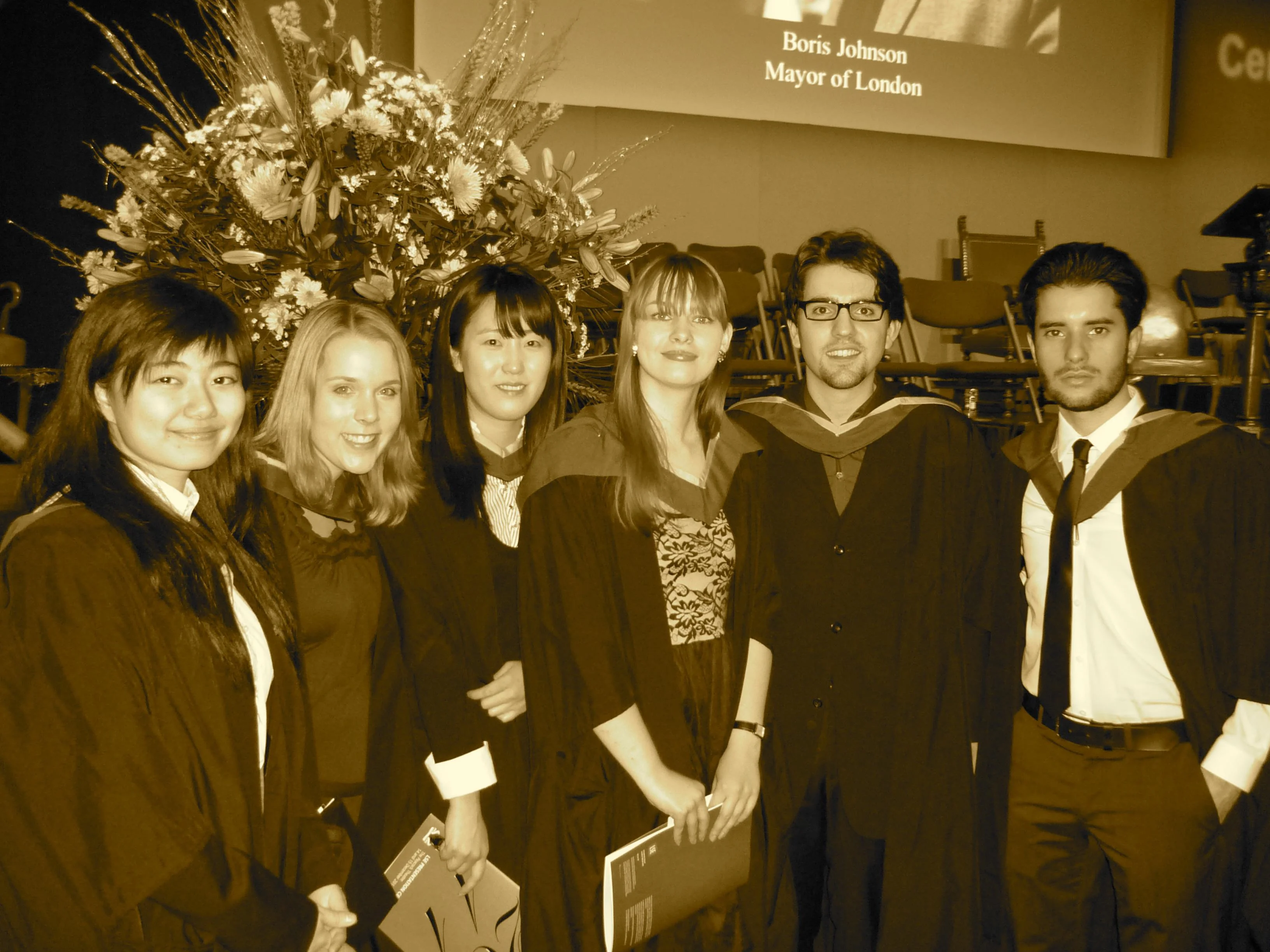
“Graduating from LSE represented a turning point in my life, opening a lot of exciting training and professional opportunities. A few months after finishing my MSc, I started an MPhil in Sociology at the University of Cambridge, following through on my original plan to pursue an academic career. After completing the MPhil, I was accepted into a PhD programme in Political and Social Sciences at the European University Institute in Florence, Italy, where I spent the next five years of my life. I celebrated my 30th birthday back in Barcelona, my alma mater, having recently returned for a postdoctoral position at the Centre for Demographic Studies—with every intention of staying for a long time, or so I thought at the time.
“Soon after starting the postdoc, though, I took a position as an advisor in the office of the High Commissioner against Child Poverty, a newly created body under the Presidency of the Government of Spain in Madrid. I stayed there for six years, first as advisor and eventually as director of the office. I really enjoyed my time there, as the work combined research with policy design and, ultimately, real social change —and seeing things from that angle made me a better researcher. For the past two years, I have been working full-time in research, after taking up a senior researcher position at the Centre for Sociological Research in Madrid.
“What inspires me most about my current work in research is the idea that it can be genuinely transformative, that it can help improve people’s lives through the design of more effective social policies.
“The intellectual challenges I face every day are also incredibly stimulating, and a great antidote to boredom. My research focuses mainly on social stratification, poverty and migration, while sometimes involving topics I am less familiar with, which pushes me out of my comfort zone (if there ever really is one in sociological research!). I see research as a shared endeavour, and working alongside people on different projects, as well as attending conferences, is a huge source of inspiration too.
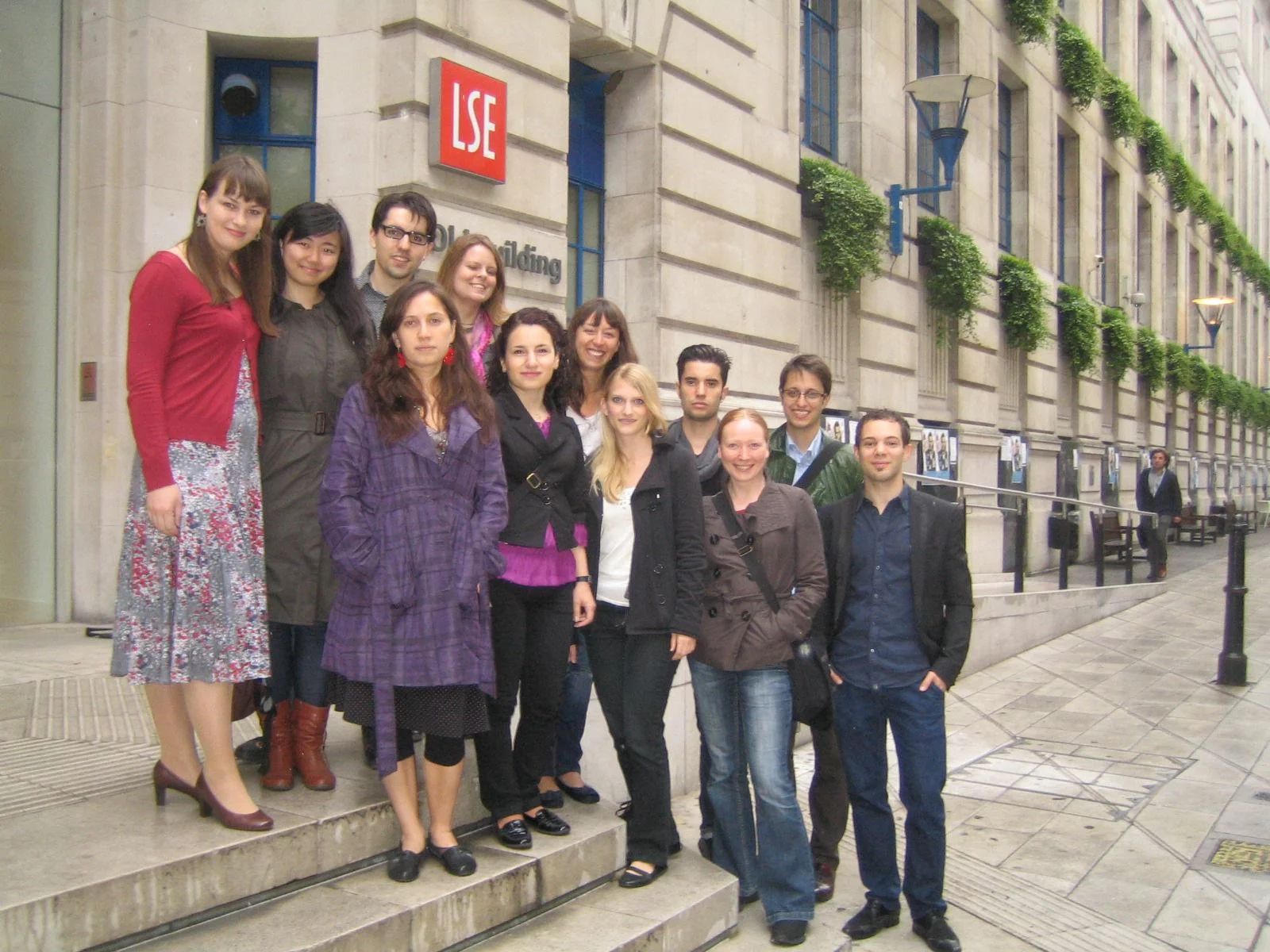
“I have many good memories from LSE, but the one I remember most vividly is a picnic we organised in the park with my course mates, right after finishing our last exam. London was sunny, and we were cheerful and relaxed after a year of hard work, but also a little sad, knowing we would not see each other as much from then on. It felt like a proper goodbye to that amazing academic year, all together.
“Institutions matter, but mostly because they connect you to incredible people.
“I would advise current students to get as much as they can out of everything LSE and the department have to offer — courses, talks, activities, all of it. It is a once-in-a-lifetime experience in an incredibly stimulating environment. Enjoy London too. It’s one of the most vibrant cities in the world. I’d also encourage students to get to know their course mates early on, as there is so much to learn from each other. One of the strengths of the department is the breadth of academic backgrounds and interests among its students, which I found incredibly enriching. Time flies, and you don't want to end up wishing you’d had more time to really get to know each other. Don’t be shy!”
Are you an LSE Methodology Alumni?
Learn more about our MSc alumni stories, and sign up to join the Methodology Community.