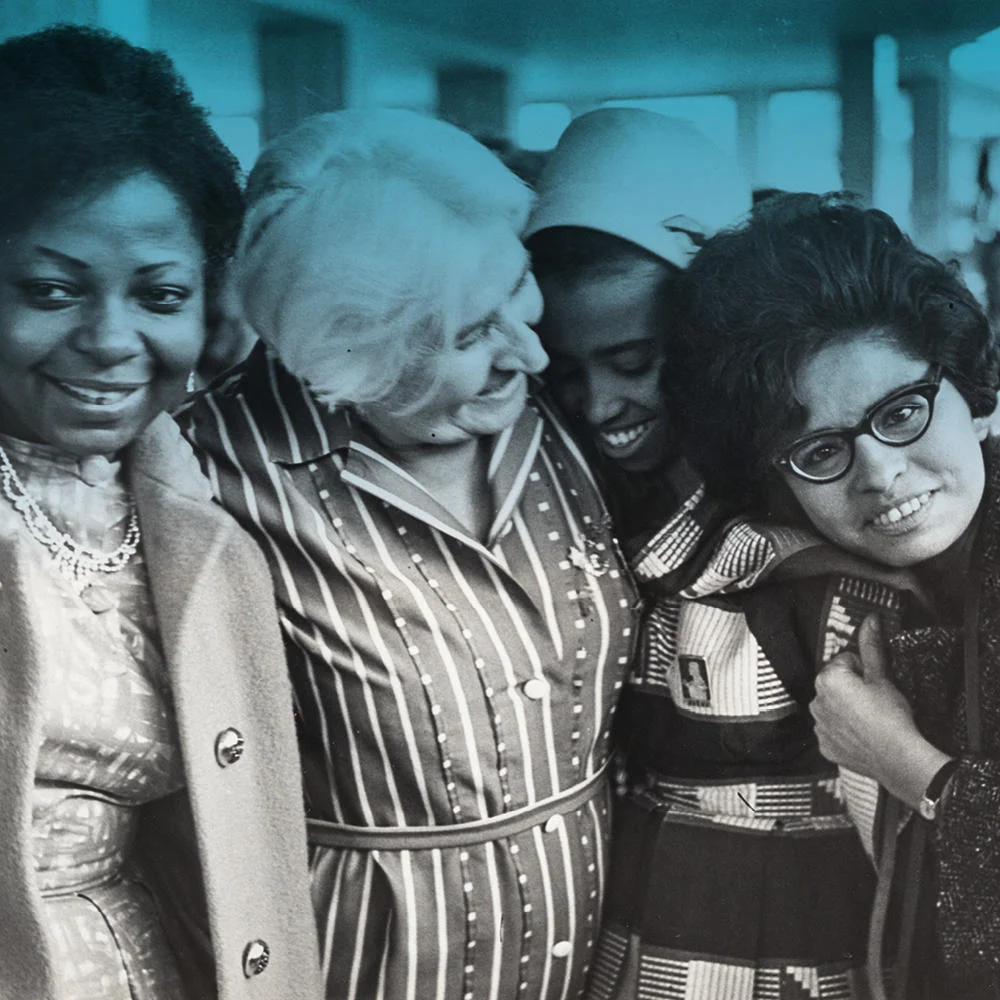

The Women's Library
‘… the Library is probably dearest to my heart, for it keeps alive the history of "the long march to equality".’ - Mary Stott, 1987
Introduction
The Women’s Library is the oldest and largest library in Britain devoted to the history of women’s campaigning and activism. It was officially inaugurated as the Library of the London Society for Women’s Service in 1926 and it had two aims: to preserve the history of the women’s suffrage movement, and to provide a resource for newly-enfranchised women to take their place in public life.
The books and archives deposited in the early decades bear witness to the activities of the London Society and to the interests of its members, both as participants in the campaigns of the women’s movement of their day, and as individuals following their own professional pursuits.
The Library was renamed the Fawcett Library in 1957 in memory of Millicent Garrett Fawcett, and The Women’s Library in 2002. It moved to LSE in 2013.
The Women’s Library on loan
There’s an opportunity to see items from The Women’s Library at these exhibitions and museums.
- Two suffrage banners at The Last Princesses of Punjab at Kensington Palace.
- Items from the archive of Amelia Scott, suffragist and social reformer, at The Amelia Scott in Royal Tunbridge Wells.
- Prison letters and hunger-strike medal of Elsie Duval on display at Prison Nursing Unlocked at the Royal College of Nursing in Edinburgh.
Learn about The Women's Library resources
The Women’s Library contains personal and organisational archives, books, journals, pamphlets, zines, audio-visual, objects, textiles and visual materials relating to campaigning and activism from the late 19th century onwards. There are many themes to be found. Some of them are listed below.
Themes in The Women’s Library
Introduction
Historically, archives of The Women’s Library were divided up into the following groups:
- Emmigration Societies
- Suffrage Societies
- Josephine Butler, the Contagious Diseases Acts; Assoc. for Moral & Social Hygiene
- Anti-trafficking organisations
- Women’s organisations
- Campaigning organisations
- Personal papers
- Oral histories
- Autograph Letter Collection
- Scrapbooks
New archives are no longer fitted into this structure, but standalone eg, COCKBURN Papers of Cynthnia Cockburn, AWS Association of Women Solicitors.
Print collection
The Women’s Library has a rich print collection of books, pamphlets, journals and zines. They are either stored in the vault or in the reference collection on the 3rd floor of the Library. To locate these:
Go to Library Search and type keywords eg, Women in China, and then click Search. You will see a list of filters on the right-hand side. Under "Location", tick the boxes that contain TWL@LSE, and then Search again. This will find material containing the words women in China in the description.
If you are interested in magazines / periodicals, download this spreadsheet listing the titles of magazines and journals from The Women's Library.
The Sadd Brown Library was set up in 1938 in memory of suffragette and internationalist Myra Sadd Brown. It contains many books, pamphlets and journals relating to campaigns for and by women in the commonwealth countries.
More about the Sadd Brown Library
Rare books
The Women’s Library has a rare book collection made up of the libraries of various individuals. These include a book collection from the MP Nancy Astor originally bought for Crosby Hall, the headquarters of the British Federation of University Women, who could no longer accommodate them.
Ruth Cavendish Bentinck, a socialist campaigner for women’s rights and member of the London Society, donated about 1000 books and pamphlets in 1931. Ruth continued to donate books to the Library until her death in 1954.
Other collections come from Edward Wright, Ada Wallas and Lina Eckenstein.
Go to Library Search and type keywords eg, Women's household and then click Search. You will see a list of Filters on the right-hand side. Under "Location", tick the Store TWL@LSE Cavendish Bentinck books box and then click ‘apply filers’ to find them.
Museum collection
The Women’s Library contains lots of postcards, posters, banners, badges, textiles and other 3D items. You can find these by search the archives catalogue.
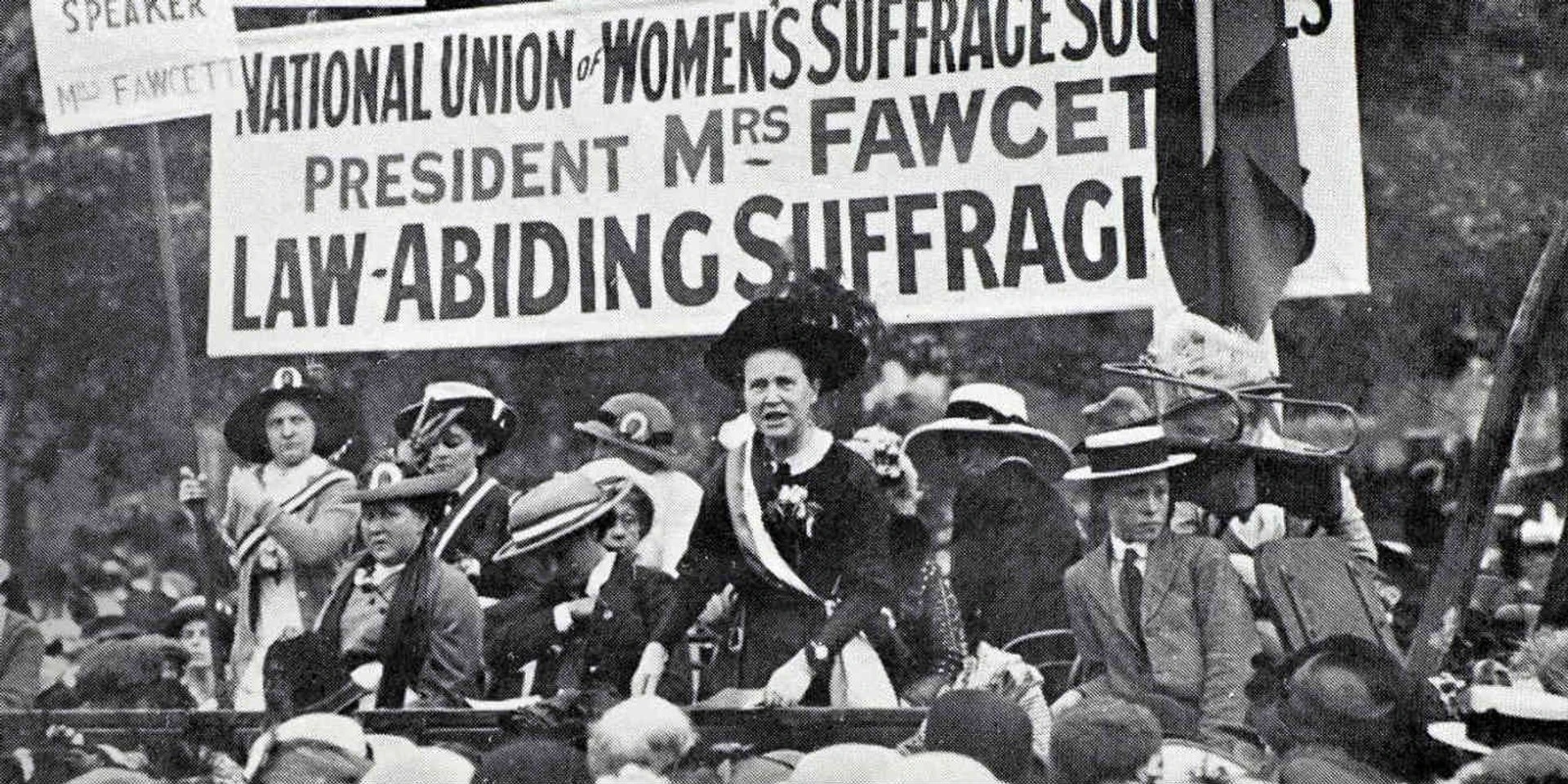
The collection covers the constitutional, the militant and the anti-suffrage campaigns around the enfranchisement of women from 1866 until the passing of the Equal Franchise Act 1928 when women could vote on equal terms with men.
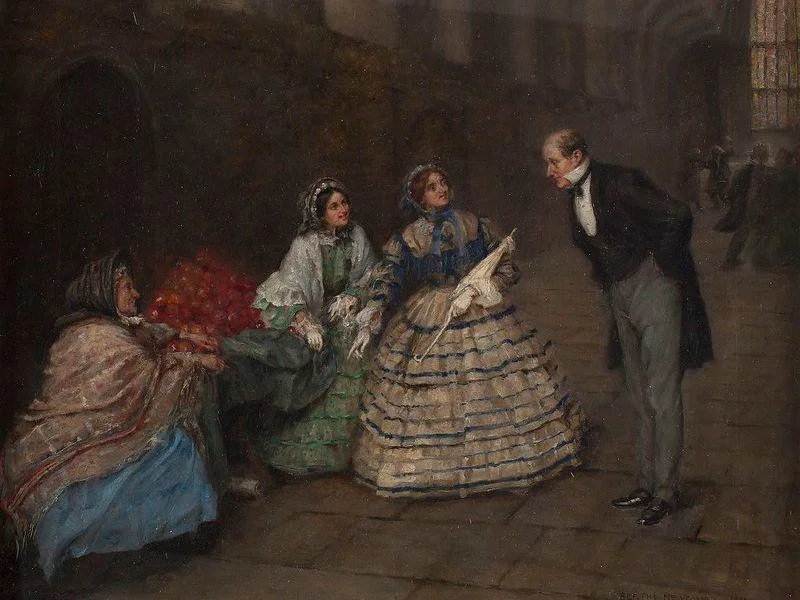
Many women who were involved in the suffrage movement continued campaigning for women’s rights and children’s rights beyond 1918. Some examples include:
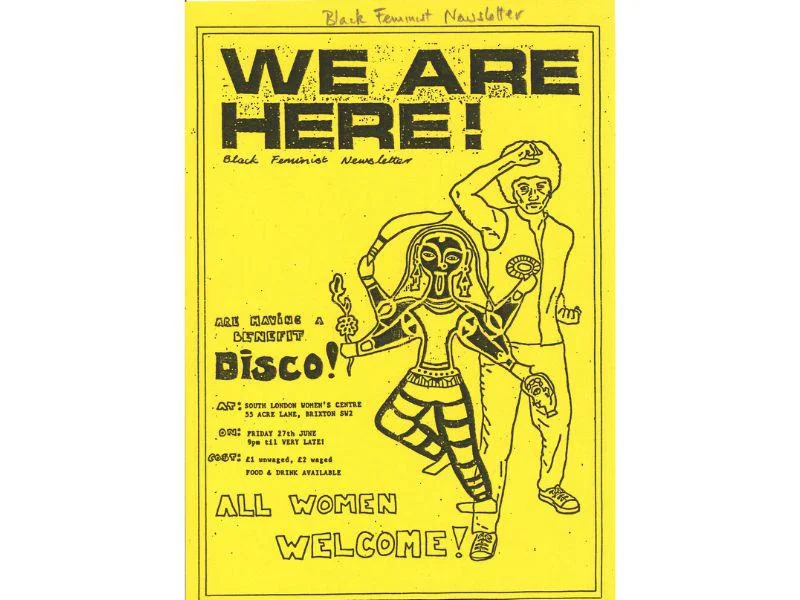
Includes papers on Black women in the arts, material relating to Olive Morris and Brixton Black Women’s Group, Claudia Jones and West Indian Gazette, and Asian Women’s Refuge.
Collections cover equal opportunities in the workplace, careers, professional life, economic equality, and more recent attempts to change working patterns.
Collections include campaigns to increase women’s representation in local and national government and other public bodies. Some examples include:
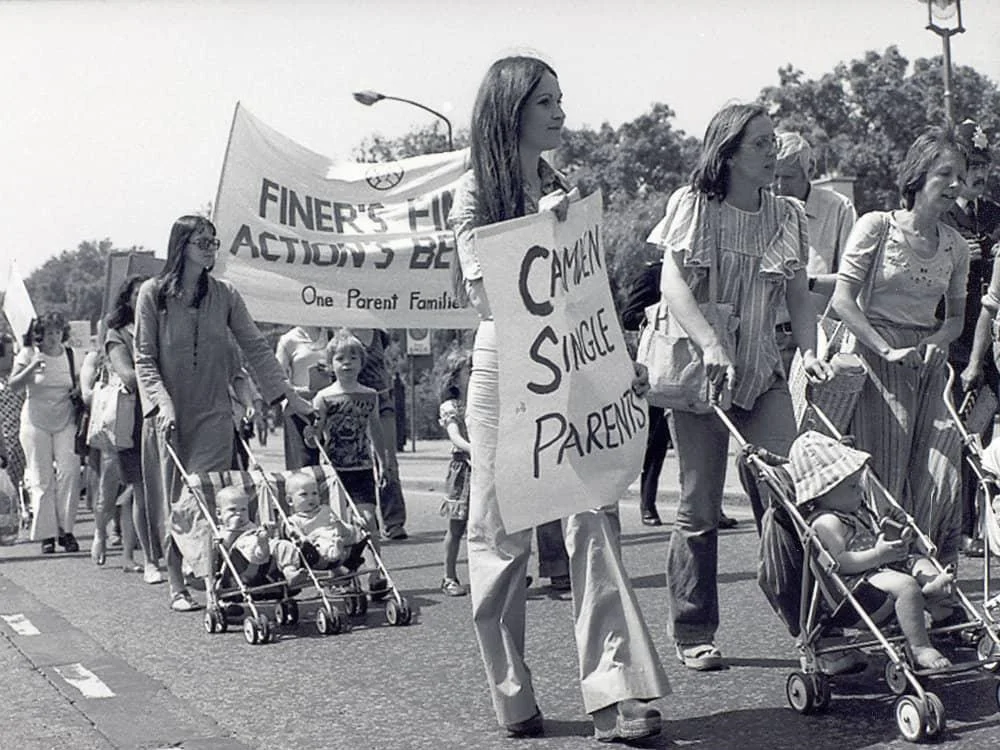
Campaigns for maternity rights, abortion, childcare, the rights of married women, the rights of single mothers and the rights of lesbian mothers. Some collections include:
Includes the campaign for women's ordination in the Church of England.
Includes the records of Greenham Common Women’s Peace Camp and peace activists such as Cynthia Cockburn.
Listen to 'These Dangerous Women', oral histories to mark the centenary of the formation of the Women's International League for Peace and Freedom (WILPF) in 1915.
We hold the papers of activists, of campaigning groups, magazines and newsletters which chart the campaigns of the 1970s and 1980s.
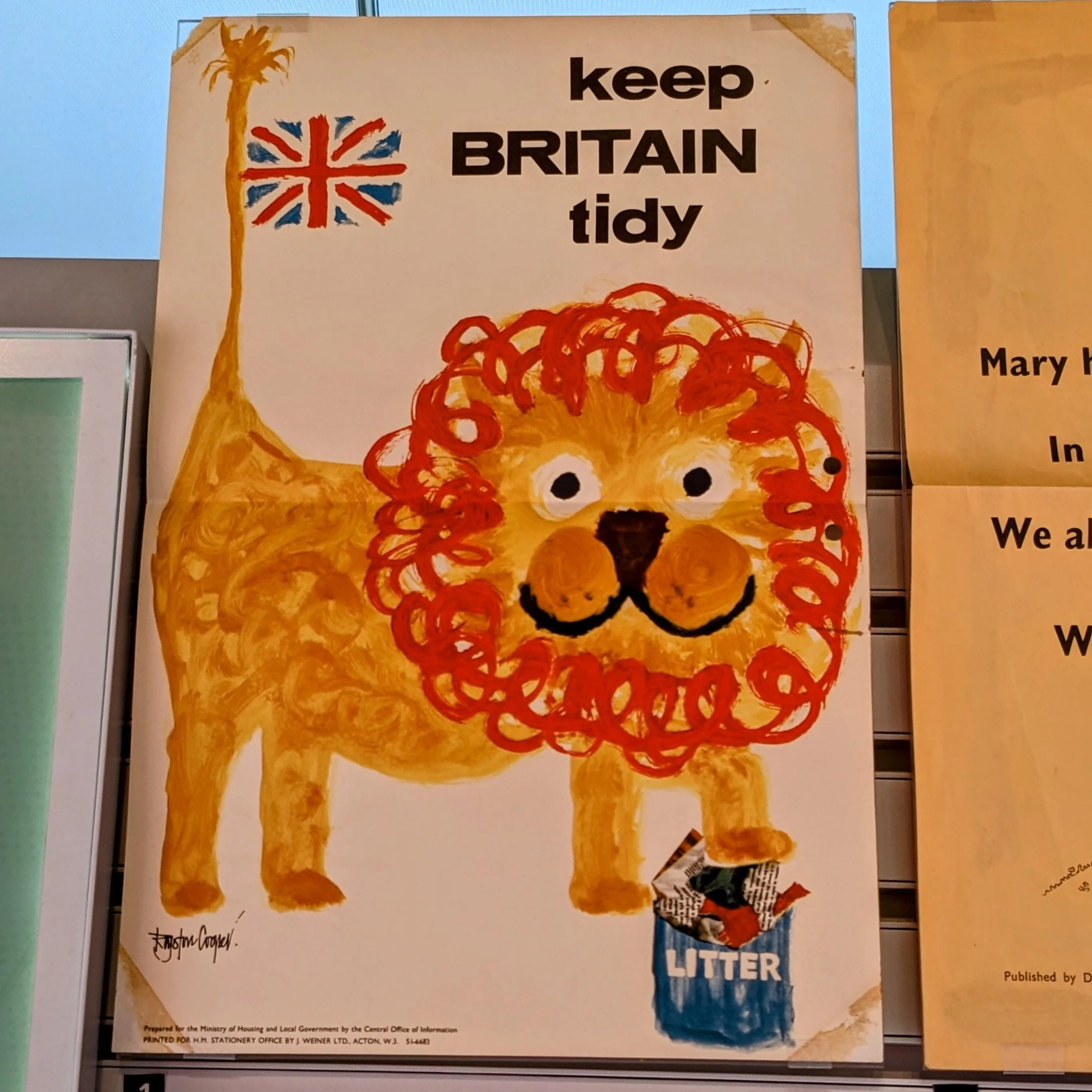
Some examples include:
- National Federation of Women’s Institutes and their Keep Britain Tidy campaign and the plastic packaging reduction campaign
- Women’s Environmental Network
Some campaigning groups have an international remit such as the International Alliance of Women, International Abolitionist Federation or the Commonwealth Countries League. Campaigning groups can also have branches in other countries such as the Girls’ Friendly Society. There are also journal titles such as ‘Women in China’ and ‘Soviet Women’.
How to search and browse The Women's Library
Simply enter keywords into the ‘anytext’ field of the archives catalogue to search.
You can also browse The Women's Library collection.
How to access The Women's Library
Much of the material highlighted here is stored in closed access and must be consulted in The Women’s Library Reading Room.
Digital material
We have a growing collection of digitised and born-digital collections from The Women’s Library. These include:
A range of journals covering the suffrage movement, LGBT+ and South Asia
Visual material relating to suffrage, women’s liberation movement and peace campaigning

Oral histories from campaigners from Greenham, the Women's Resource Centre and more
Stories from The Women's Library
A wide range of people use The Women’s Library for their research, including students, artists, journalists, screen writers, playwrights, novelists and family historians. Are you working with The Women’s Library and would like to share your research? If so, we want to hear from you. Contact us.
These are some stories that researchers have found:
- Rachel Post writes about the work of Rachel Crowdy, Head of Social Section, League of Nations. Read Rachel Crowdy: the highest-ranking women in the League of Nations.
- Sophie Hurst highlights her favourite items from the Women in Sport archive. Read Women in Sport at The Women’s Library.
- Clara Cook looks at the life of Baroness Mary Stocks. Read Baroness Mary Stocks: economist and activist.
Online exhibitions
- ‘Making Modern Women’ highlights a variety of women’s magazines from the interwar period showing the vitality of women’s activism and how they made women modern.
- Explore stories from the collections on our Google Arts & Culture profile
Video talks
UNESCO-recognised collection
The collection includes UNESCO-recognised women’s suffrage archive documents. In 2011, eight documents from the Women’s Library and the Parliamentary Archives were recognised by UNESCO on their UK Memory of the World Register. These include:
- The Mary Lowndes album of suffrage banner designs (also on Flickr). Find out more about Mary Lowndes' banners which featured in the women's suffrage procession on 13 June 1908.
- Extracts from the prison diary of Emily Wilding Davison.
Get involved?
We are interested in all types of research with the collection, finding hidden voices and innovative ways of engagement. We are interested in what you find in the collection. If you’d like to find out more, or if you have found something that you feel should be shared, do get in touch.
The Friends of The Women's Library
The Friends of the Women's Library support The Women's Library through funding acquisitions, digitisation and conservation projects, as did the Friends of the Fawcett Library, and their predecessors who founded and preserved the library of the post-suffrage National Union of Societies for Equal Citizenship.
The Friends of the Women's Library offer essay prizes for LSE 3rd year dissertations and for LSE MSc dissertations. If interested, please contact g.e.murphy@lse.ac.uk or friendsofthewomenslibrary@gmail.com for more information.
Further information
If you need specific help with any of the collections mentioned here get in touch with our Curator for Equality, Rights and Citizenship, Gillian Murphy.
The Women's Library at 100