

Rory Dillon on why it pays to zigzag your career
Careers rarely follow a straight line. After joining LSE's MSc Development Management with the goal of changing careers, Rory Dillon took what seemed like a temporary part-time role with an NGO working in Ethiopia, only for it to grow into a decade-long career in international development. Now a Senior Development Officer at CAMFED, a charity which gets girls into school, he reflects on career pivots, project management, working across continents, and why staying open to unexpected opportunities can be one of the most valuable career decisions you make.
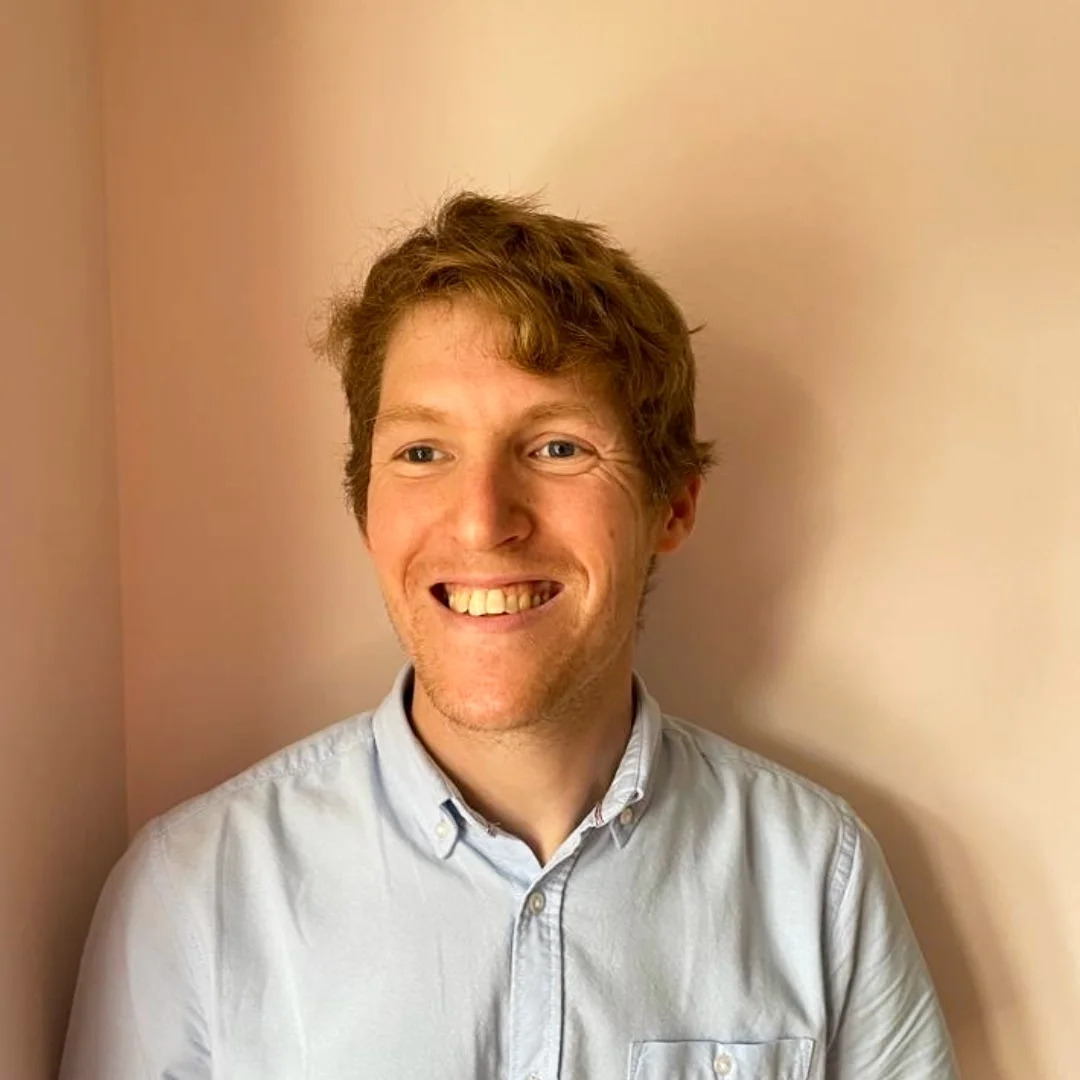
It was really valuable to have space and time [studying at LSE ID] to dig into the fundamental questions about what interventions work to improve people's lives and how things can go wrong even with good intentions.
In what ways has your International Development degree shaped your path since graduation?
It has been really helpful to have made friends through the course who are all interested in international development. When I joined the master's programme, I wanted to change careers so it was really helpful to talk to people who either were already working for international development NGOs or who were looking for their first step on the ladder after university. It was great to get people's perspectives on the big questions and the small questions. In a similar vein, it was really valuable to have space and time to dig into the fundamental questions about what interventions work to improve people's lives and how things can go wrong even with good intentions. It is good to feel you have a handle on that when deciding about what you want to do and what you want to advocate for in the world.
How did you get your first job after graduation, and what advice would you give students starting out?
I applied for a part-time role while studying at an NGO working with schools in Ethiopia - Together We Learn. Since the role was part time, I didn't see it as a viable long-term option but a full-time opportunity came up and I ended up working there for 10 years! After my undergraduate degree and before enrolling at LSE, I worked for six years in a range of roles, some with relevant experience and some less so! So, I would say be prepared to 'zigzag' a little if you can't step into the role you want straight away, and to be open to opportunities that come up even if they are not in your plan.
Tell us about your current role (or further studies), what does a typical day or week look like?
For the last four years, I have been working at CAMFED as a Senior Development Officer. My job is to support our country offices in Africa with donor communication and compliance with partnership agreements. A typical week would include zoom calls, emails, and a lot of excel sheets - following up with colleagues across different departments in the UK and in Africa country offices to discuss whether projects are on track and in budget and how to troubleshoot specific issues where project outcomes are at risk. Likewise, I am responsible for bringing M&E, Finance and Programmes colleagues together to write progress reports for donors.
Remember what you want to do and be, and if it doesn't feel right, look to change path.
What has been the best part of your career journey, and what has been the biggest challenge?
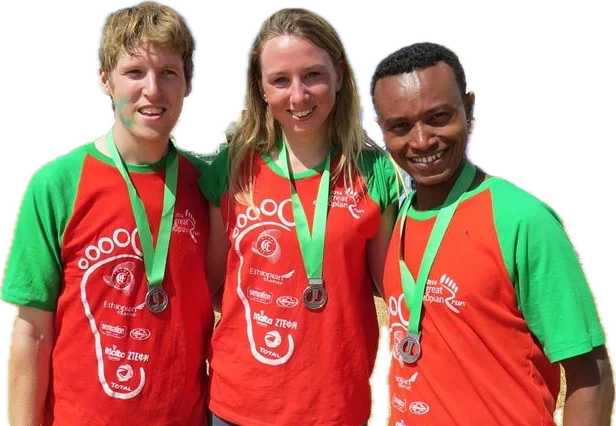
I had the opportunity to work in Ethiopia for three years: it was a pleasure to make connections with my colleagues there and to be able to visit the schools we worked with, and understand the challenges that learners faced getting to school and coming out with the right skills. I think since starting a family the biggest challenge has been to get the work life balance right!
How is your sector changing, including the impact of AI, and what should students be paying attention to?
I think the kind of project management role I have will look very different in a few years' time as I can see that aspects of the role could be automated. I think if I were looking to get into an international development career now it would be useful to be familiar with AI but to ensure that you are developing the project management skills yourself in parallel.
What career options exist beyond traditional International Development organisations, and which transferable skills help most?
There are hundreds of smaller charities, which is where I began my career, though smaller organisations often cannot afford to pay higher salaries. I found working in a smaller organisation meant I was involved in all aspects of the working of the organisation which was helpful. There are also lots of transferrable skills for those who start in the charity sector but outside of international development.
What is one piece of career advice that has had the greatest impact on you, and what advice would you leave current students with?
To remember what you want to do and be, and if it doesn't feel right, look to change path.
The views expressed in this post are those of the alum and in no way reflect those of the LSE International Development Department or the London School of Economics and Political Science.
Featured Image credit: Rory Dillon