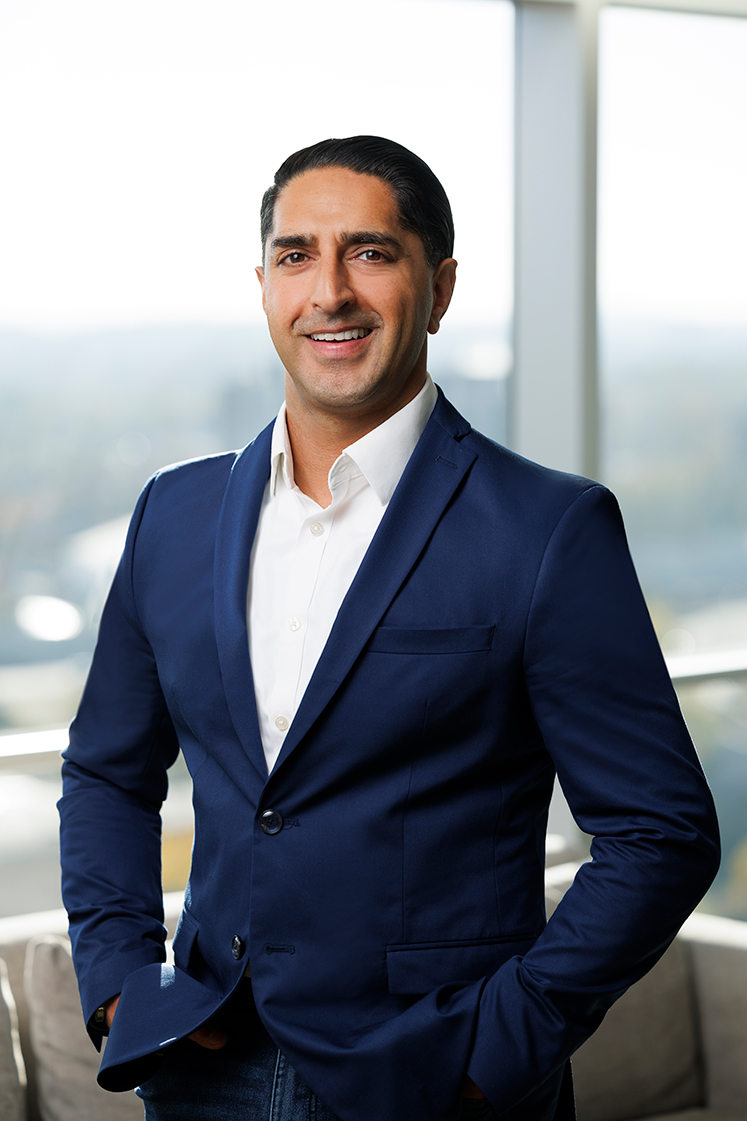
 How long has it been since you returned to LSE campus?
My wife, five-year-old son, and I just took a trip to London in June to catch up with family and friends and do some sightseeing. It was my first time returning to London in over fifteen years since leaving soon after graduation. I had a chance to walk through campus – it was incredible to see how much the school and city have evolved.
In what ways has your Government degree shaped your path since graduation?
My MSc in Comparative Politics and Conflict Studies provided me with the foundational analytical and communication skills I use every single day. Having moved between government and the private sector a few times, a firm grounding in comparative methods as well as the structural drivers behind political violence gave me the tools to succeed in both sectors. At the LSE, I first developed the skills and expertise that later at the Pentagon I leveraged to look past the immediate noise, analyze competing views, and understand the structural forces driving an issue before trying to pitch a tactical fix or recommend a strategic-level policy initiative.
Did you engage with alumni during your studies, and how important is that today?
Before arriving on campus, I viewed the LSE very highly. However, my exposure to the alumni network back then was limited to a former colleague who had been through very different masters courses. Beyond his stories and the school's reputation, I didn't fully know what to expect but I was excited for the scope of my course, the international makeup of the student body, and the chance to learn in such a unique and global city like London. As a student, interacting with the LSE alumni network – especially as I was looking to jumpstart my career in national security - made the academic work feel immediately relevant. Today, I am hoping to give back to the current student body through mentorship either through LSE programs or informally.
What moment or achievement stands out most in your career so far?
Two distinct eras stand out. Early in my career, there was nothing that could replicate the feeling of being part of the Obama campaign and White House advance team from 2008 to 2010. While it was before LSE, it was formative and ultimately led me on the path towards a career in defense and national security. The purpose, energy, and enthusiasm of that movement and that time remains unparalleled. It’s a feeling I still try to carry with me every day personally and professionally.
Years later, serving as the Chief of Staff to the Under Secretary of Defense for Intelligence and Security at the Pentagon was an incredible responsibility. On paper, the sheer magnitude of helping senior leadership manage a 700-person staff and a $26+ billion military intelligence budget while setting policy, conducting civilian oversight of military intelligence operations and security activities, and responding (and sometimes shaping) world events was daunting and awe-inspiring. But the real highlight was personal. It was earning the trust of leadership to be the final set of eyes and the last voice in the room on a sensitive policy or personnel matter before it went to the Secretary of Defense, other Cabinet secretaries, and influenced a Presidential-level decision. Knowing that a policy or decision I shaped would ultimately affect the entire U.S. military intelligence and security enterprise makes you realize that having your peers and your boss seek your counsel in those high-stakes moments was more fulfilling than the scope and scale of the position.
Did you ever use our Ask an Alum platform to ask or answer questions? How was that experience?
I used the platform - or the early version of it - when I was looking for a job immediately after graduation. Now, being further along in my career, it has been rewarding using the platform to answer questions for folks currently thinking through their career moves or just getting into the workforce. Coaching and mentoring are deeply important to me; I've prioritized it throughout my career. Being able to give back to the LSE community now as a truly mid-career professional has been a wonderful way to stay connected to LSE.
What makes you proud to be an LSE alum?
LSE brings together such a unique cross-section of researchers, practitioners, and finance leaders. If you want to be a thinker or a writer, you can do that. If you want to be a policy researcher or a practitioner in government, you can do that. If you want to get into finance and banking, start your own thing as an entrepreneur, or advise others as a consultant, the various programs at LSE can help you build toward all of that. As a graduate student, it was fascinating to learn about all of my friends’ and classmates’ backgrounds, motivations, and career goals. Now as an alum, it’s been even more fun to see where old friends have landed and the career twists-and-turns along the way.
Is there anything you would like to add that might inspire students?
Careers rarely follow a linear path. It helps to think in terms of skills development, who you want to work for, and your core mission and purpose. You are not always going to get everything out of every single job. Instead, I always suggest students ensure a role hits at least two or three critical areas: whether that’s the overarching mission, the subject matter area, a great boss, an incredible team of coworkers, or a specific set of skills you will gain.
Take the job that makes you feel slightly uncomfortable, not just because it’s new. Lean into that risk based on where you are in your life at that time. Use it to build the versatile skill set required for the long game. The rest (i.e., being outside of your comfort zone) is where real growth will happen.