

LSE Consulting Research Mentioned in the House of Lords
Research from two LSE Consulting projects was referenced in House of Lords debates on further education funding and commercial payments, bringing academic evidence into parliamentary discussion on education, skills and international trade.
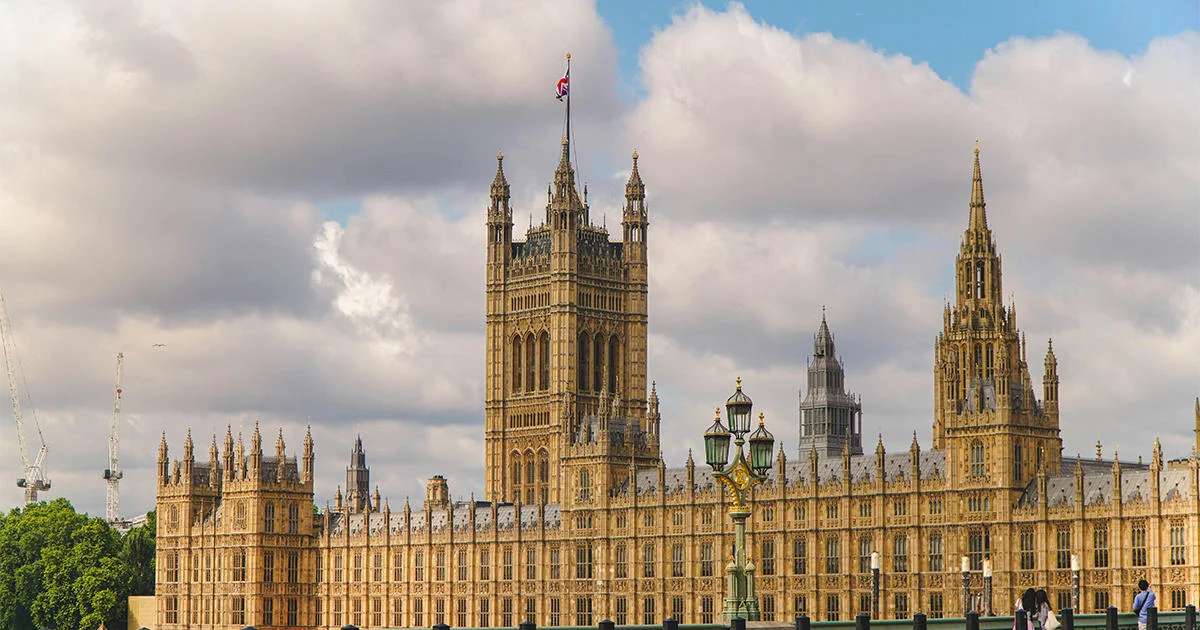
On 9 June 2026, findings from two separate LSE Consulting research projects featured in parliamentary debates.
For LSE Consulting, these references reflect a central part of our mission: connecting academic expertise with organisations and policymakers to help inform decision-making with robust, independent evidence.
Examining the impact of VAT on further education colleges
The first reference came during a House of Lords debate on the recovery of VAT by further education (FE) colleges.
The discussion focused on the financial implications of the current VAT arrangements for FE colleges. Unlike local authority-maintained schools and some other public bodies, FE colleges are currently outside VAT refund schemes that enable eligible organisations to recover VAT on their costs.
During the debate, Lord Forbes of Newcastle drew directly on LSE research, highlighting its estimate that this represents a loss of £200 million a year to the FE sector. He connected this cost to the resources available for areas including construction, engineering, digital skills and health.
Research on digital trade enters the Commercial Payments Bill debate
The second reference came on the same day during the Second Reading of the Commercial Payments Bill in the House of Lords. The Bill was being considered in the context of payment practices and the challenges that delayed payments can create for businesses, particularly small and medium-sized enterprises.
During the debate, Lord Thomas of Cwmgiedd cited findings from research produced by LSE Consulting's Trade Policy Hub, noting the estimate that global adoption of digital trading systems could increase UK GDP by as much as 0.9%, with even partial adoption having a potentially significant economic impact.
From education and skills to international trade, LSE Consulting works with academics and external organisations to produce research that can help decision-makers understand complex issues and their potential implications. Our role is to provide independent and robust evidence-based analysis. LSE Consulting does not advocate for specific policy positions.