
Connecting communities: looking back on an inspirational presidential trip to Africa
In March, Professor Larry Kramer was delighted to visit Africa for the first time since becoming LSE President and Vice Chancellor. We were so fortunate that he was joined and supported on the trip by Dr Musimbi Kanyoro, Independent Member of LSE Council, and alumnus Firoz Lalji (BSc Economics 1969), whose philanthropic support enabled the establishment in 2016 of the Firoz Lalji Centre for Africa. (The Centre later evolved into the Firoz Lalji Institute for Africa in 2021.) LSE Generate also joined the visit, hosting breakfast events and roundtables across Nigeria, Kenya, South Africa, and Ghana, with partners including the Universities of Lagos, Nairobi, Cape Town, and Ashesi.
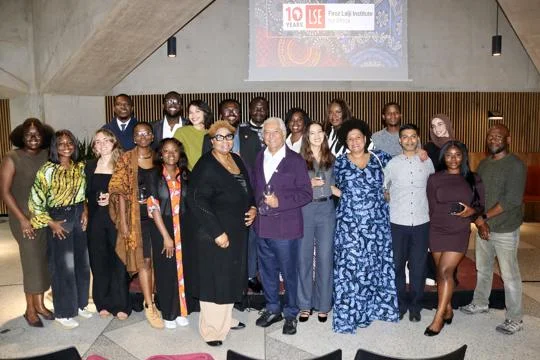
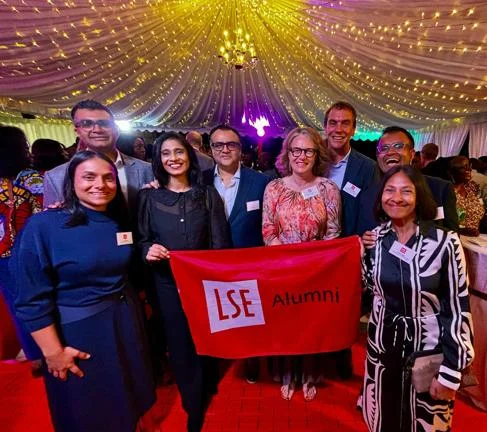
Throughout this trip, connecting with alumni was at the heart of our time in Nigeria, Kenya and South Africa. With a long and proud history of educating many leaders across the African continent through the 20th century and beyond, this was an opportunity to strengthen relationships with alumni, build for future opportunities and celebrate the way our alumni make a difference.
Travelling with Professor Larry Kramer across Nigeria, Kenya and South Africa was a joy. I heard from so many alumni about how their time at LSE transformed their lives, and I witnessed how our community, in turn, transforms the lives of others by opening doors for young people around them. It reminded me of what becomes possible when that spirit is carried collectively through LSE.
Strengthening bonds
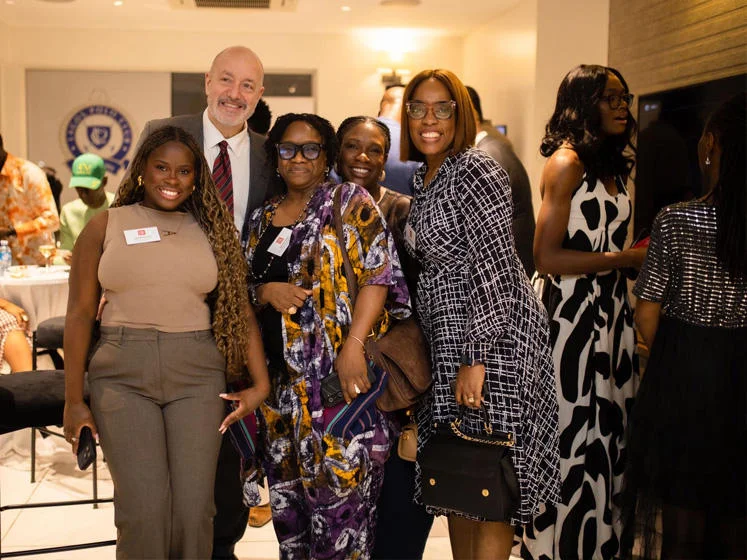
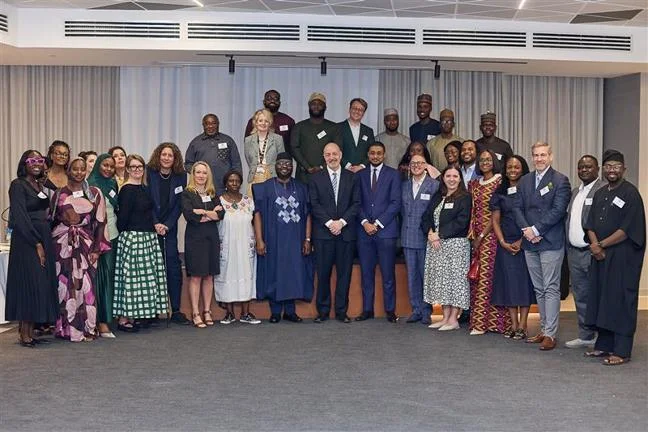
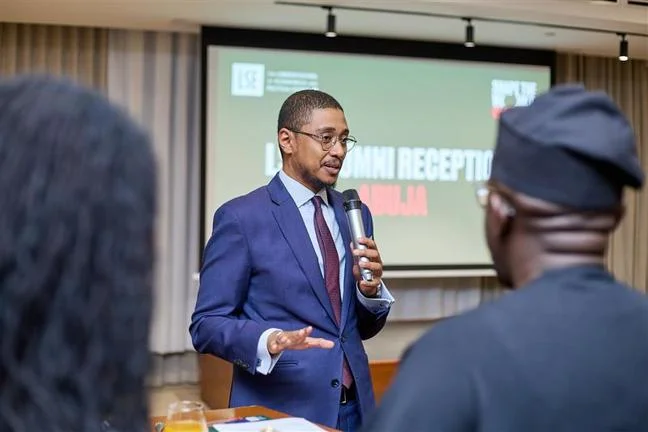
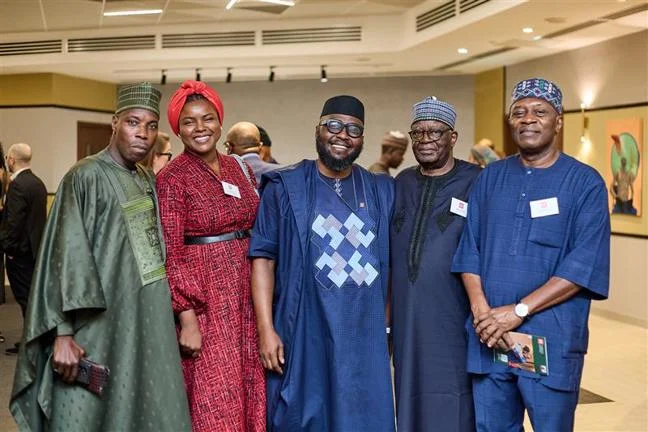
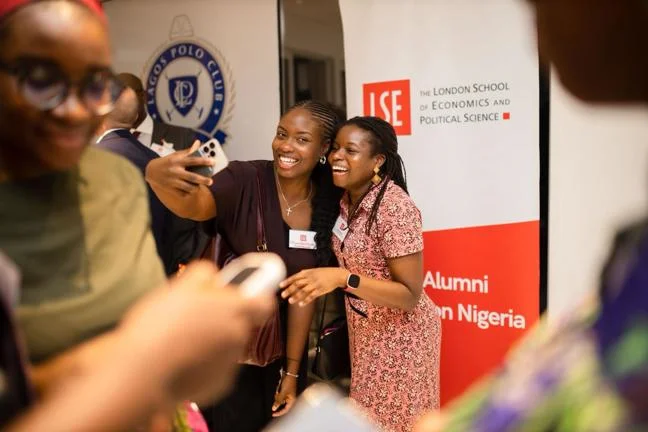
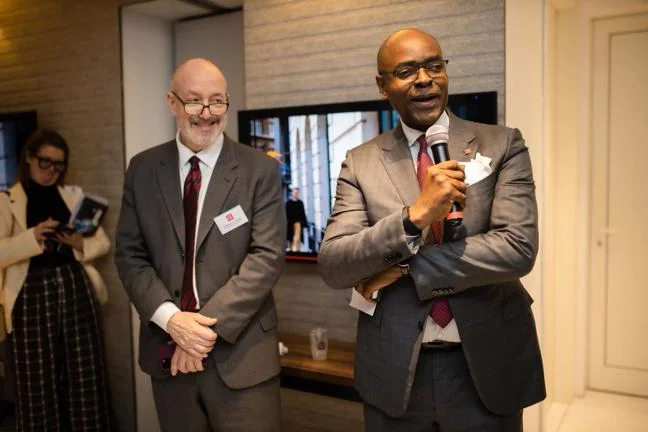
In Nigeria, we began in Abuja, with Professor David Luke, Strategic Director at LSE's Firoz Lalji Institute for Africa discussing food security and his recently released book, How Africa Eats with local alumni experts. LSE President and Vice Chancellor Larry Kramer enjoyed meeting with alumni at receptions in both Abuja and Lagos. With more than 700 alumni across Nigeria, the local LSE community spans leadership roles in government, policy, business and beyond. Our time in Nigeria was a fitting showcase of the breadth and influence of the local LSE community.
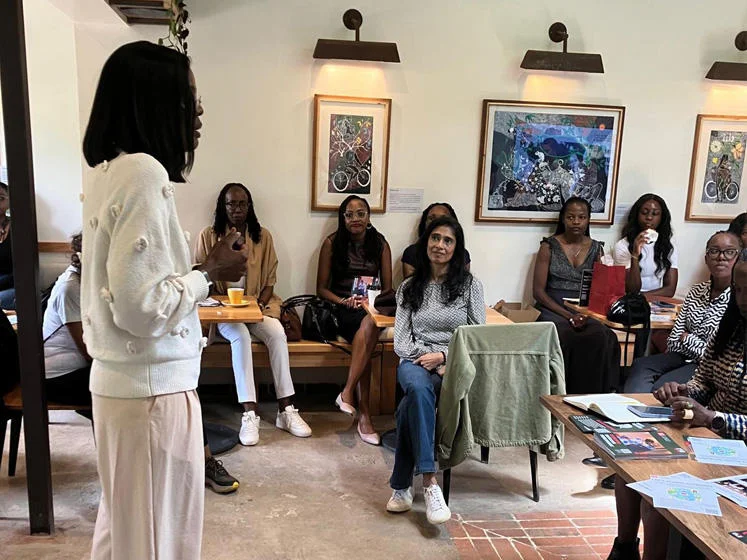
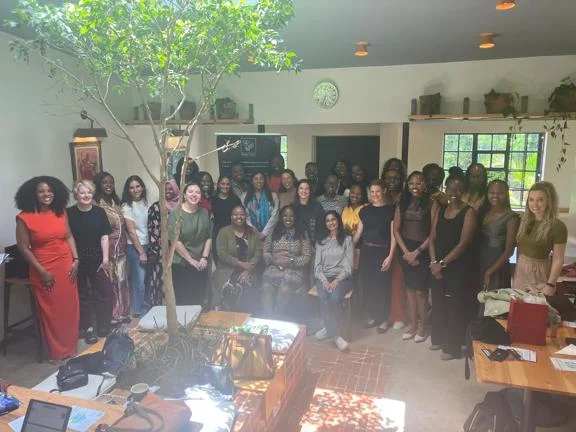
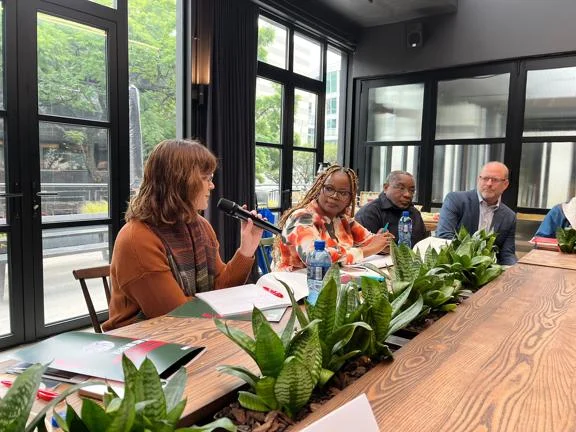
After Nigeria, we flew to Nairobi, Kenya, where we joined our Women’s Alumni Network for an event hosted by former BBC and Al Jazeera correspondent LSE alumna Yvonne Ndege. It took place in Spring Valley Coffee, a business founded by LSE couple Ritesh Doshi (BSc Management 2001) and Sapna Shah (BSc Economics 2002). The event created space for candid conversations about leadership, careers and community building, underscoring the strength of LSE’s alumnae network in the region. We met more alumni for roundtable discussions before finishing our time in Kenya with an amazing alumni gathering at the British High Commission.
Seeing fellow alumni, reconnecting with LSE friends, and meeting LSE International Development alumni all in one weekend reminded me of something: the LSE fire doesn't go out. Whether you graduated years ago or recently that same curiosity, that same drive, is still very much alive.
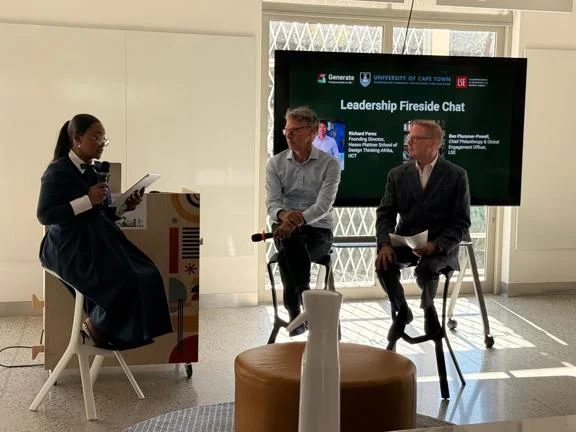
We then travelled to South Africa, first visiting Johannesburg, where we discussed global governance with alumni, touching on issues surrounding law, sustainability, and new technologies. Finally, we were joined by LSE Generate, the home for entrepreneurship at LSE, at the University of Cape Town for an event on entrepreneurship for African futures before joining our alumni for a reception at the Mount Nelson Hotel.
What stood out most during this trip was the strength of LSE’s global alumni community. As Larry Kramer shared his vision for the School’s future, the energy and openness of our alumni to reconnect and engage was inspiring. It was a privilege to be part of it.
Many of the alumni we met during the trip are graduates of the Programme for African Leadership (PfAL) which is based at FLIA, and which has helped to launch the careers of more than 1,000 African change makers. Firoz Lalji and his wife Najma provided transformative funding for PfAL, co-creating it in 2010 to empower African graduate students.
Developing equitable partnerships
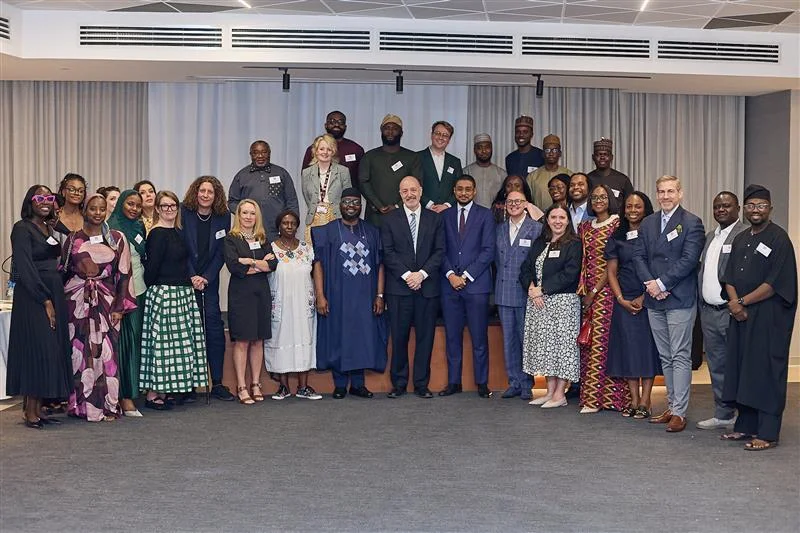
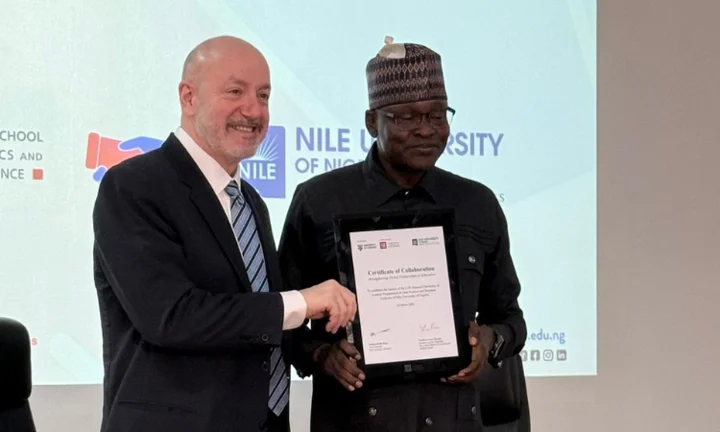
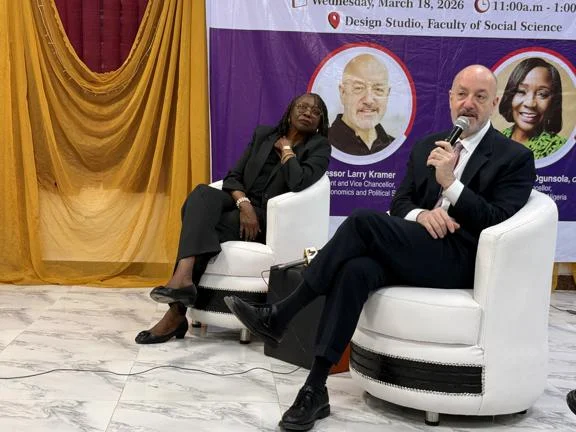
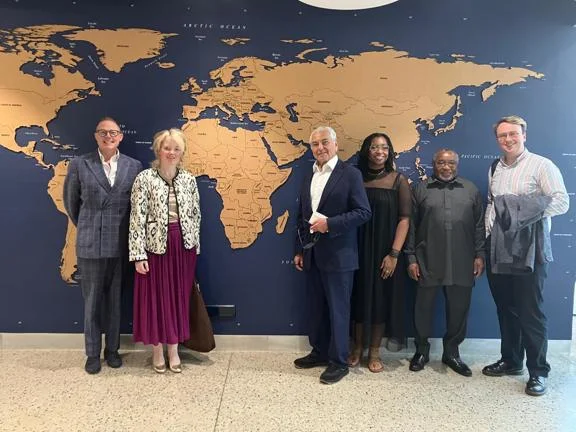
Throughout our time in Africa, we met and engaged in conversations with representatives from the University of Lagos, Nile University of Nigeria, the University of Nairobi, the Universities South Africa group, the University of Cape Town, and Stellenbosch University. These interactions highlighted the role of the social sciences in understanding the emerging world order and in addressing global issues.
In the past six years, LSE academics have produced joint publications with these institutions on a variety of topics, from the accessibility of maternal healthcare services to conserving the ocean genome through biotechnology. Additionally, LSE’s Department of Anthropology offers a full-year exchange with the University of Cape Town, allowing students to study at the top-ranked university in Africa. These partnerships put into practice our mutual commitment to equitable collaborations that help us to shape the world we all need.
Gratitude and growth
As we reflect on the trip we are deeply grateful to our alumni groups in Nigeria, Kenya and South Africa for their partnership, welcome and support. Working together with the energy and passion of our dedicated alumni community, we can't wait for what the future holds.

Africa and LSE: Shaping a new agenda for impact