

Jonathan Birch interviews with Ed Winters (Earthling Ed)
Friday 10 April 2026
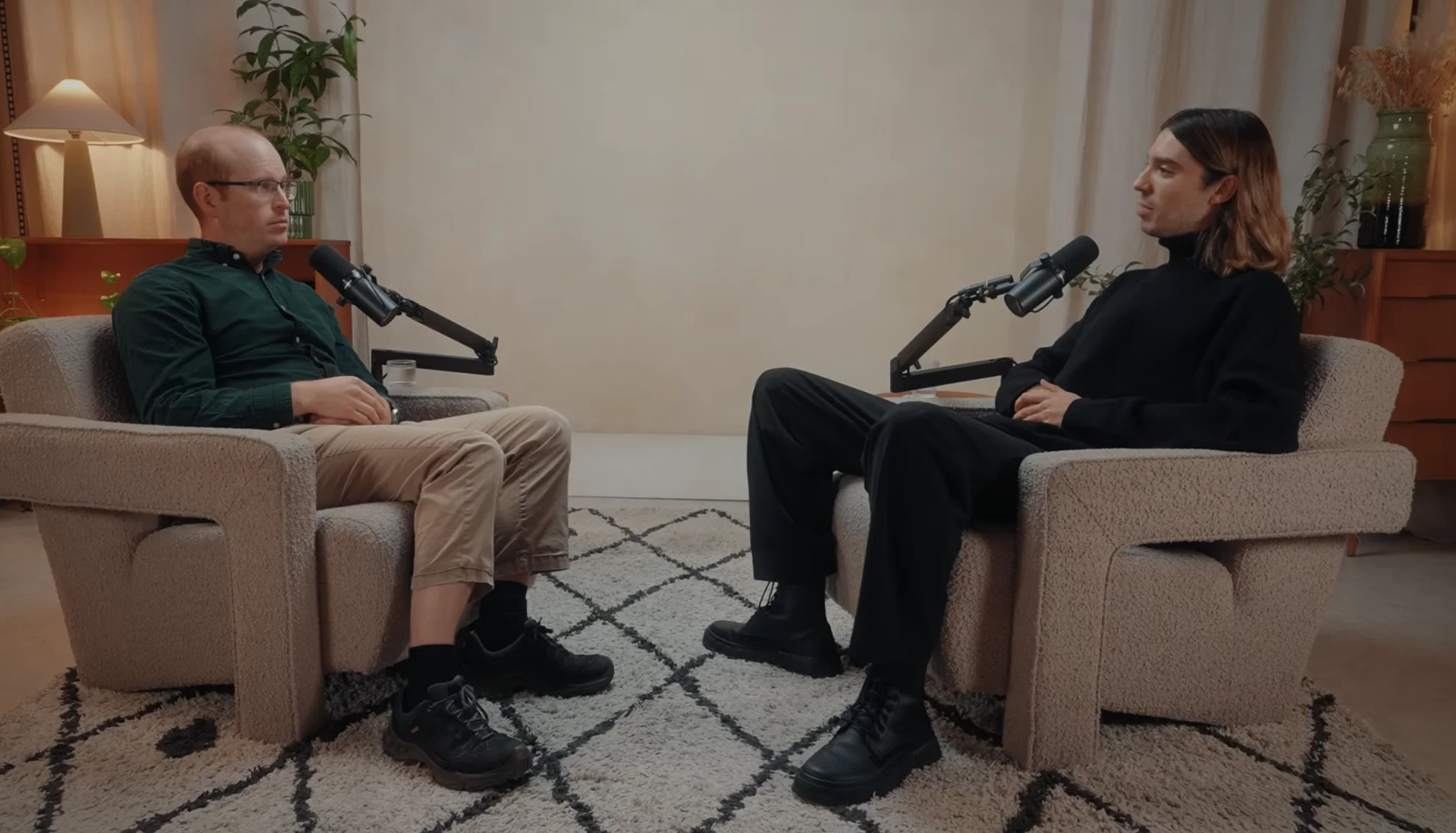
In a new interview with Ed Winters, our Centre Director, Professor Jonathan Birch discusses some of the biggest questions in animal ethics: sentience, scientific evidence, human bias, and emerging challenges such as invertebrate farming and the role of AI.
We are pleased to share some highlights:
- Sentience isn't just pain; it also includes positive states and is conceptually distinct from intelligence. Rather than a scale, sentience can be seen as a multi‑dimensional profile - and a way to guide ethical decisions that reduce suffering and support good lives for animals.
- Do some animals "matter more" than others? Intuitions like “dogs matter more than pigs, fish or insects” don’t align with scientific evidence. Instead of assessing every species individually, a precautionary approach can be adopted: evolutionary, biological and behavioural evidence from crustaceans, fish and others gives strong grounds to treat them as sentience candidates. On this basis, avoiding avoidable harms - like boiling lobsters and crabs alive - is common sense. Eastern principles such as ahimsa (non‑violence) already point towards moral concern for all animals.
- Impact is possible - especially for neglected species. Legislative change can be slow, but advocates make a real difference. Shrimp are one of the most neglected groups, but simple changes can have big welfare benefits - NGO, Shrimp Welfare Project, is highlighted as an example.
- The importance of acting early: as AI enters farming practices, there is a risk of it worsening welfare conditions - early interventions, standards and governance are essential before harmful practices become ingrained and harder to change.
- Is AI sentient? A centrist view is outlined: staying open‑minded about the future possibility of sentience, while not being misled by the “character” an AI system presents. These systems are designed to mimic the criteria we use to judge sentience, making the challenge different from assessing non-human animals.
Access the podcast and transcript from Ed Winters.