Laia is the Deputy Director for Sector Analysis at the UK Department for Business and Trade
.
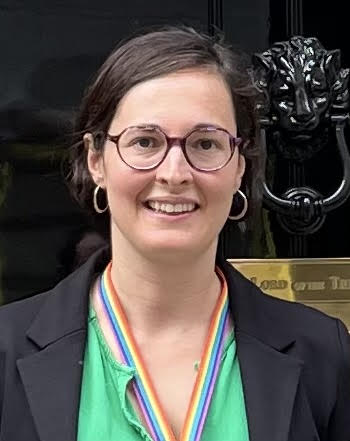 Laia Turró Llopart, EMPP
When I joined the Executive MSc in Public Policy (EMPP) at the London School of Economics, I was serving as the Head of Aerospace and Automotive Analysis at the Department for Business, Energy and Industrial Strategy. In that capacity, my core responsibility was to ensure that robust evidence and thorough analysis were at the heart of government decision-making for these two critical sectors of the UK economy. The aim was to unlock their vast potential to attract significant investment, generate high-quality jobs, and play a pivotal role in supporting the UK’s ambitious transition to Net Zero.
Having worked as an analyst in various departments across the UK Government for more than a decade, I recognised the importance of continually updating my knowledge and skills. The EMPP presented a unique opportunity to delve deeper into the latest theories, debates, and practical approaches in public policy. It allowed me the time and space to reflect critically on how evidence, data, and analytics can be harnessed most effectively to support and shape policy decisions in an ever-changing environment.
The structure of the EMPP was truly excellent. The modules were engaging, and the teaching staff was exceptional, bringing both academic rigour and real-world experience. I particularly enjoyed beginning the programme by tackling some of the most pressing questions facing Western democracies, exploring theories of polarisation, and understanding the dynamics of how revolutions can succeed. Although economic policy analysis was a familiar area for me, given my academic background with a BSc and MSc in Economics, the lively debates with fellow policy professionals from diverse backgrounds enriched my learning experience considerably. The optional modules were equally valuable, with the one on AI governance proving especially relevant. It provided me with the tools and insights to embrace the current wave of technological innovation already being implemented across UK public sector organisations.
Returning to work after completing the Master’s, I immediately noticed how the fresh perspectives and innovative ideas I had gained were helping me approach increasingly complex challenges in my role. The programme has since contributed to my promotion to Deputy Director for Sector Analysis at the Department for Business and Trade, where I continue to apply my policy expertise and analytical skills. My ongoing objective is to ensure that major policy initiatives, such as the UK Industrial Strategy, are delivered with the strongest possible foundation of evidence and analysis, ultimately making a tangible difference to the country’s economic future.