

British Jews report loss of trust in all major UK institutions, new study finds
British Jews report profound feelings of abandonment, exclusion and insecurity following the lack of adequate institutional response to the rise in antisemitism after the 7 October 2023 attacks and the subsequent war in the Middle East, according to new research led by Professor Shani Orgad at the London School of Economics and Political Science (LSE).
The report, Listening to British Jews, is based on six focus groups involving 43 self-identifying Jewish adults across the UK. Participants ranged in age from 18 to over 75, represented different Jewish denominations and political perspectives, and included both those active in Jewish communal life and those who were not.
Across all focus groups, participants described a significant decline in trust in major British institutions, particularly the police, the education system, universities, the media and the legal system. Many spoke of feeling unheard, dismissed or excluded by institutions they believed should protect them and treat them fairly.
Alongside concerns about institutional responses, participants reported a growing climate of fear and vulnerability. Many described heightened anxiety, hypervigilance and increasing caution in their everyday lives. Some reported concealing visible signs of Jewish identity, avoiding social situations or withdrawing from professional and public spaces. Participant also felt their grief and hurt were routinely minimised and denied, and their concerns about antisemitism and safety often dismissed as exaggeration or fabrication, echoing stereotypes of Jews as neurotic or deceitful, thus constituting a form of antisemitism in itself.
Despite these experiences, participants also emphasised resilience, pride in their Jewish identity and a determination not to be intimidated.
Shani Orgad, Professor in Media and Communications at LSE, said: “Participants consistently described a profound sense of being unheard, dismissed and abandoned by institutions they expected to protect them. While experiences varied, a common theme was that their concerns about antisemitism were often not recognised or addressed seriously. They described a ‘climate of fear and vulnerability ’ where verbal abuse, being ostracised, cancelled and excluded have become increasingly features of their everyday lives.
“Their accounts highlight an urgent need for leaders across all major UK institutions not only to listen to the experiences of British Jews, but also to take concrete action to address antisemitism and rebuild confidence, trust and a sense of safety. Participants stressed that this would benefit not only the Jewish community but also other minority, marginalised and vulnerable groups, and the strength of British democracy more broadly.”
Recommendations to rebuild trust
Drawing directly on participants’ own proposals, the report places particular emphasis on practical actions that institutions can take to rebuild confidence and ensure that Jewish communities feel protected and treated fairly. Key recommendations include:
Policing and criminal justice
- An independent review of antisemitism and police-community relations across the UK.
- Stronger engagement between police forces and Jewish communities.
- Improved training for officers on recognising and responding to antisemitism.
- More effective investigation and prosecution of antisemitic hate crimes.
Schools and higher education
- Mandatory antisemitism training for educators and university staff.
- Stronger safeguarding frameworks to protect Jewish pupils and students.
- Improved reporting and investigation procedures for antisemitic incidents.
- Consistent Holocaust education and greater engagement with Jewish life, culture and history.
- Enhanced protections for Jewish students and staff alongside support for academic freedom and evidence-based debate.
Media and online platforms
- Robust editorial and news reporting guidelines requiring accurate and consistent distinctions in reporting between Jews, Israel, Israeli citizens and the Israeli government.
- Stronger editorial safeguards against antisemitic narratives.
- Improved BBC complaints procedures and an independent review of coverage relating to the Middle East, antisemitism and Jewish communities.
- Stronger enforcement of legislation requiring social media companies to tackle antisemitic content.
Community and workplace support
- Programmes to strengthen Jewish civic participation and community resilience.
- Better support for young Jewish people navigating antisemitism in education and public life.
- Improved workplace reporting systems and responses to antisemitic incidents.
- Greater recognition of antisemitism within Equality, Diversity and Inclusion policies and training.
Professor Orgad added: “Participants were not simply describing problems. They were also proposing solutions. A central message of the report is that rebuilding trust requires institutions to listen carefully to Jewish experiences and respond consistently, fairly and transparently.”
The study draws on six focus groups conducted between December 2025 and March 2026 involving 43 self-identifying Jewish adults living in the UK
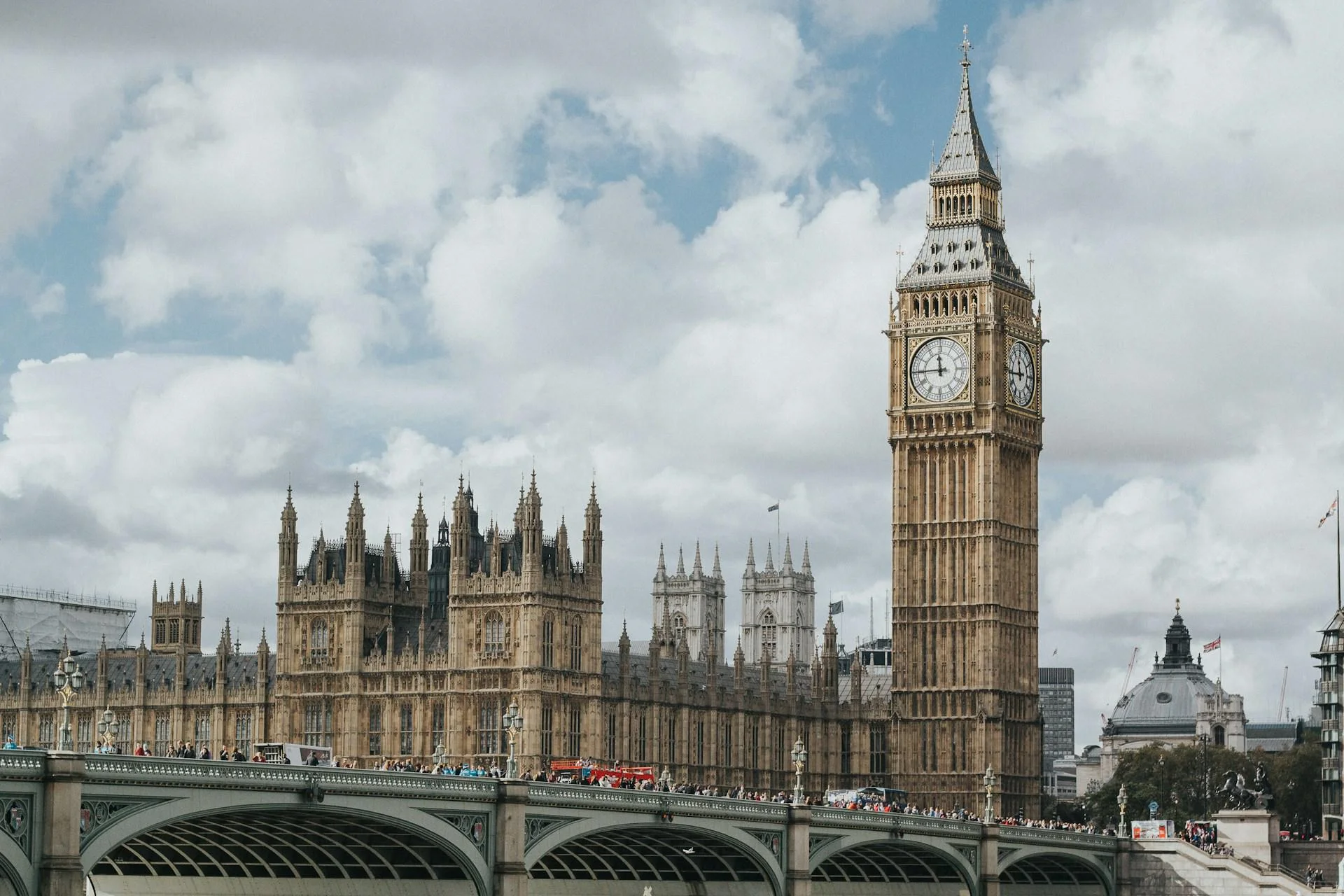
Photo by Marcin Nowak on Unsplash