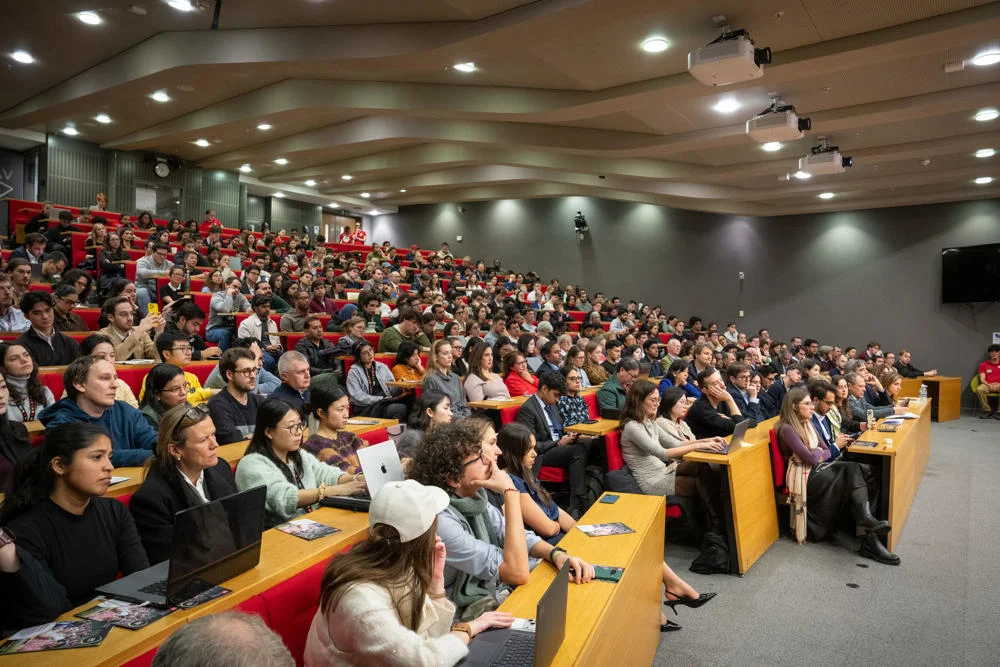

The History and Development of Kurdish Studies
Speaker
Chair
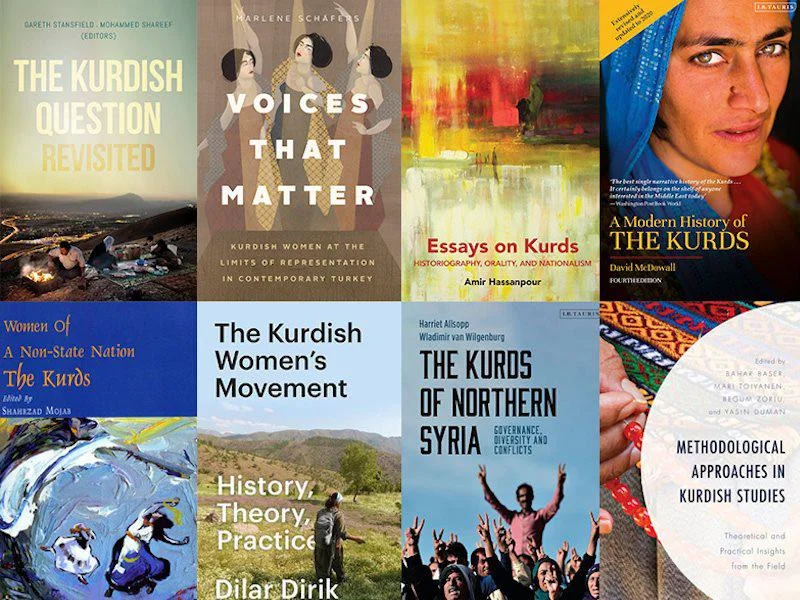
The first attempts at institutionalising Kurdish Studies in European academia emerged as a result of the First World War and the British and French mandates in Iraq and Syria when there was a demand for hands-on knowledge of the Kurds. Anthropological studies of Kurdish society then began around the mid-twentieth century, with the emergence of a strong Kurdish national movement from the 1960s onwards stimulating journalist as well as academic interest in Kurdish politics.
The growth and mobilization of a Kurdish diaspora, noticeable since the 1990s, has also contributed significantly to the development of Kurdish Studies with political changes in their countries of origin also having a major impact. Professor van Bruinessen will assess the trajectory and most significant developments of Kurdish Studies from its inception to present day.
The keynote lecture will take place from 4.00 to 5.00pm followed by a drinks reception until 6.30pm.
Meet our speaker and chair
Martin van Bruinessen is Professor Emeritus of Comparative Studies of Modern Muslim Societies at Utrecht University. He is an anthropologist with a strong interest in politics, history and philology, and much of his work straddles the boundaries between these disciplines. He has conducted extensive fieldwork in Kurdistan (Turkey, Iran, Iraq, Syria) as well as Indonesia and Southeast Asia generally and has taught on subjects ranging from Ottoman history and sociology of religion to theories of nationalism. He carried out his first field research among the Kurds during two years in the mid-1970s when access was relatively easy and has frequently revisited the region during the following decades. Martin has published extensively on various aspects of Kurdish society, culture and history. His work was translated into Turkish, Persian, Arabic and Kurdish and is easily available in the countries concerned. Since his formal retirement in 2011, he held visiting professorships in Indonesia and Singapore as well as Turkey. His publications include Agha, Shaikh and State: The Social and Political Structures of Kurdistan (London, 1992); Evliya Çelebi in Diyarbekir (with H. Boeschoten, Leiden, 1988), Mullas, Sufis and heretics: the role of religion in Kurdish society (Istanbul, 2000), Kurdish ethno-nationalism versus nation-building states (Istanbul, 2000), the edited volumes Islam und Politik in der Türkei (with J. Blaschke, Berlin, 1985), Islam des Kurdes (with Joyce Blau, Paris, 1998) and more. Most of his numerous published articles can be accessed at his academia.edu page.
Zeynep Kaya is a Visiting Fellow at the LSE Middle East Centre and Lecturer in International Relations at the University of Sheffield. Her main research areas involve borderlands, territoriality, conflict, peace, political legitimacy and gender in the Middle East. She has recently published a monograph entitled Mapping Kurdistan: Territory, Self-Determination and Nationalism with Cambridge University Press. Zeynep is co-editor of I.B. Tauris-Bloomsbury's Kurdish Studies Series and is co-convenor of the LSE Middle East Centre's Kurdish Studies Conference.
More about this event
This event has been organised by the LSE Middle East Centre. The LSE Middle East Centre builds on LSE's long engagement with the Middle East and North Africa and provides a central hub for the wide range of research on the region carried out at LSE.
Join the conversation on Twitter using #LSEMiddleEast
LSE holds a wide range of events, covering many of the most controversial issues of the day, and speakers at our events may express views that cause offence. The views expressed by speakers at LSE events do not reflect the position or views of The London School of Economics and Political Science.
From time to time there are changes to event details so we strongly recommend checking back on this listing on the day of the event if you plan to attend.
Whilst we are hosting this listing, LSE Events does not take responsibility for the running and administration of this event. While we take responsible measures to ensure that accurate information is given here this event is ultimately the responsibility of the organisation presenting the event.
LSE holds a wide range of events, covering many of the most controversial issues of the day, and speakers at our events may express views that cause offence. The views expressed by speakers at LSE events do not reflect the position or views of the London School of Economics and Political Science.
Subscribe to the LSE Events newsletter