

Spotlight on Methodology Alumni: Elizabeth Germana-Cier

Every month, the Department of Methodology is sharing stories from its alumni to inspire and demonstrate the real-world impact of a Methodology education.
Elizabeth Germana-Cier is a Strategy, Impact and Evaluation Advisor. In 2009, she graduated from LSE Methodology after studying MSc Social Research Methods.
We asked her to tell us about her time at LSE, and why she chose LSE Methodology.
Elizabeth said:
“I chose to study at the LSE Department of Methodology because I wanted to strengthen my ability to use rigorous research to inform public policy and improve development outcomes. I was particularly interested in understanding how robust evaluation methods could generate credible evidence to support better decision-making.
“My dissertation examined the impact of attendance and the quality of Peru's national Early Childhood Education Programme on children's learning outcomes. Using quasi-experimental evaluation methods, I explored how different levels of participation and programme quality influenced educational outcomes. That research not only deepened my interest in impact evaluation but also became the foundation for my subsequent doctoral studies at University College London (UCL).
“What I appreciated most about studying at LSE was the combination of academic rigour and practical application".
"The programme challenged me to think critically about research design, causal inference and the quality of evidence, while encouraging us to consider how methodological choices ultimately affect policy and practice. I also greatly valued learning alongside classmates from diverse professional and cultural backgrounds, whose perspectives enriched discussions and broadened my understanding of the real-world challenges that evidence seeks to address.”
When asked how LSE Methodology impacted her, she continued:
“It marked the beginning of a career applying rigorous evaluation methods to improve policy and practice across more than 15 countries in Africa, Asia, the Middle East and Latin America.
“Studying at the Department of Methodology fundamentally shaped my professional career. It provided the methodological foundations that have guided my work for more than two decades, from leading complex impact evaluations to advising governments, international organisations, foundations and private sector clients on evidence-informed decision-making.

“One of the most valuable lessons I learned at LSE, however, went beyond any specific research method.
"I remember feeling quite intimidated at times, especially when I realised I hadn't studied techniques like Structural Equation Modelling or used software such as Stata before. Some of my classmates, who came from more quantitative backgrounds, would casually say, "Just pick up a book and learn it." At the time, that felt much easier said than done, but in the end, that's exactly what I did. That experience changed my mindset. LSE taught me that having a strong methodological foundation is far more important than mastering any single statistical technique or software package. Once you understand the underlying principles of research design, causal inference and data analysis, you can continue learning throughout your career as new methods and technologies emerge.
“That lesson has stayed with me ever since. Throughout my career, I have continually learned and applied new methodologies, analytical tools and approaches as projects demanded -from quasi-experimental evaluation methods and mixed-methods research to theory-based evaluation, value-for-money analysis and, more recently, artificial intelligence to strengthen research, evaluation and strategic analysis.
“LSE gave me not only technical skills, but also the confidence, resilience and intellectual curiosity to keep learning throughout my career. Looking back, that may have been the most valuable lesson of all.”
Since graduating from LSE, Elizabeth has built an international career helping organisations use evidence to improve decision-making and achieve greater impact.
She has worked and lived in Africa, Asia, the Middle East and Latin America with governments, multilateral organisations, foundations, bilateral donors and international NGOs, leading monitoring, evaluation, learning and organisational performance initiatives.
Elizabeth said:
“Over the course of my career, I have had the privilege of working with organisations including the World Bank, the UK Foreign, Commonwealth & Development Office (FCDO), Global Affairs Canada, NORAD, international NGOs and Foundations. My work has focused on designing and leading complex evaluations, strengthening evidence systems and helping organisations use data and learning to improve programmes and policy.
“More recently, my work has evolved into broader strategic advisory. Alongside consulting for the Porticus Foundation, I serve as a Trustee of Phoenix Space which works with refugee children and young people in the Middle East- and advise organisations in the financial and mining sectors on strategy and corporate social responsibility initiatives in Africa. The common thread throughout my career has been helping leaders make better decisions using evidence, strategic thinking and effective governance.
“Looking back, I realise my career has evolved from designing rigorous evaluations to helping senior leaders and boards make better strategic decisions. The methodologies I learnt at LSE remain the foundation, but today my role is increasingly about translating evidence into strategy, governance and long-term organisational impact.”
Sharing what inspires her about her current work, she said:
“The most rewarding moments are when research influences policy, when evaluation findings improve programmes, or when organisations use evidence to make more informed strategic decisions. I enjoy working at the intersection of methodology, leadership and strategy, where rigorous analysis can directly contribute to better outcomes for communities, organisations and businesses.
“What I enjoy most is the variety. One week I might be discussing education policy with a Ministry of Education, the next supporting a foundation to strengthen its strategy, and the next advising a board on governance or corporate social responsibility. I find it fascinating to see how the same principles of evidence, critical thinking and problem-solving can be applied across such different sectors.
“I also find great satisfaction in mentoring colleagues and helping build the next generation of evaluation and impact professionals.
“One of my favourite memories from LSE is the incredible sense of community that developed through studying together. I have very fond memories of spending long hours in the New Academic Building with classmates, preparing for assignments and exams. I still remember how special it felt that the building had been officially opened by Her Majesty Queen Elizabeth II - it made us feel part of something much bigger than ourselves.
“Like many LSE students, I also became very familiar with the Garrick Café. Countless study sessions were fuelled by coffee and, whenever I needed an extra boost, a slice of their delicious chocolate cake. Those moments became a welcome break from the intensity of the programme.
“Looking back, I still wonder how we managed to get through some of those exam periods. The workload was demanding and the expectations were high, but those experiences taught me resilience, discipline and the importance of supporting one another.
“Perhaps the most lasting memory, however, is the friendships and connections I built with fellow Chevening Scholars and classmates from all over the world. Learning alongside such a diverse and talented group of people broadened my perspective enormously, and many of those relationships continue to inspire me today.
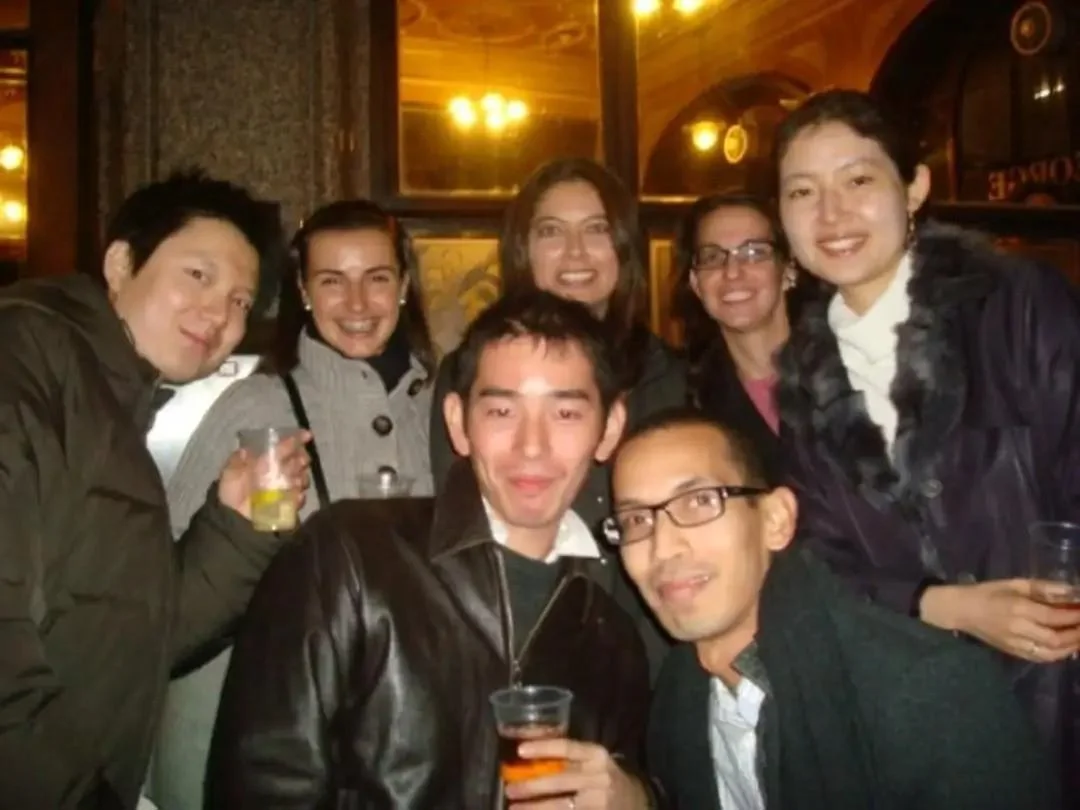
LSE was much more than a place to study, it was an international community that shaped both my professional career and my outlook on the world.”
Elizabeth's advice for current students is to stay curious and never stop learning.
She continued:
“Be curious, stay open-minded and remember that methodology is ultimately about helping people make better decisions.
“Don't worry if you don't know every statistical technique or every software package before you start. Focus on building strong methodological foundations and developing the confidence to keep learning. The tools will evolve throughout your career, but the ability to think critically, ask the right questions and continue learning will remain your greatest asset.
“Technical skills are essential, but they are only part of the picture. Some of the most valuable skills you can develop are communication, relationship-building and the ability to explain complex evidence in a way that decision-makers can understand and use.
“Finally, some of the most rewarding chapters of my own career came from saying yes to opportunities that I hadn't originally planned for. Every new experience expands your perspective, strengthens your confidence and helps you grow both professionally and personally.”
Are you an LSE Methodology Alumni?
Learn more about our MSc alumni stories, and sign up to join the Methodology Community.