
Building the European Observatory (1/4): The idea and the founding years
Fenton: Let me take you both back to the very beginning. Where did the idea for the Observatory actually come from?
Figueras: Elias was the first to put the idea very clearly. We were both working in London in the early 1990s, I was at the London School of Hygiene and Tropical Medicine and he was at LSE. Elias had this very strong sense that Europe needed an institution that could systematically analyse health systems and make that knowledge useful to policymakers as well as academics. It was not just an abstract idea. He had identified a real gap, and I immediately recognised that it was the right gap to address.
Mossialos: That is generous of Josep, but we shaped it together. What I had was a frustration and a conviction. There was no serious, sustained effort to analyse and compare how health systems across Europe actually worked. Countries were reforming left and right, especially in central and eastern Europe after the fall of the Wall, but nobody was systematically tracking what was happening, what was working, what was not. The evidence was limited, and scattered across academic journals, much of it unpublished. Policymakers were making major decisions essentially in the dark. I kept thinking: someone needs to build an institution that sits between academia and policymaking and makes this evidence usable.
Fenton: And Josep, you were persuaded straight away?
Figueras: Completely. It was initially Elias and me, joined very early on by Martin McKee, who was crucial from the start. At the London School of Hygiene and Tropical Medicine he was building what became the European Centre on Health of Societies in Transition, ECOHOST, and developing a major programme of research on health and health systems in central and eastern Europe and the former Soviet Union.
What we shared was a sense of urgency. Europe was changing rapidly: countries in the East were rebuilding health systems after Soviet-era structures; western European countries were experimenting with market-type reforms; and the European Union was becoming a force in health policy through internal market law, Maastricht, mobility and regulation. Yet policymakers still had no reliable place to compare reforms or learn from neighbours.
Fenton: You put this idea in writing early on, didn't you?
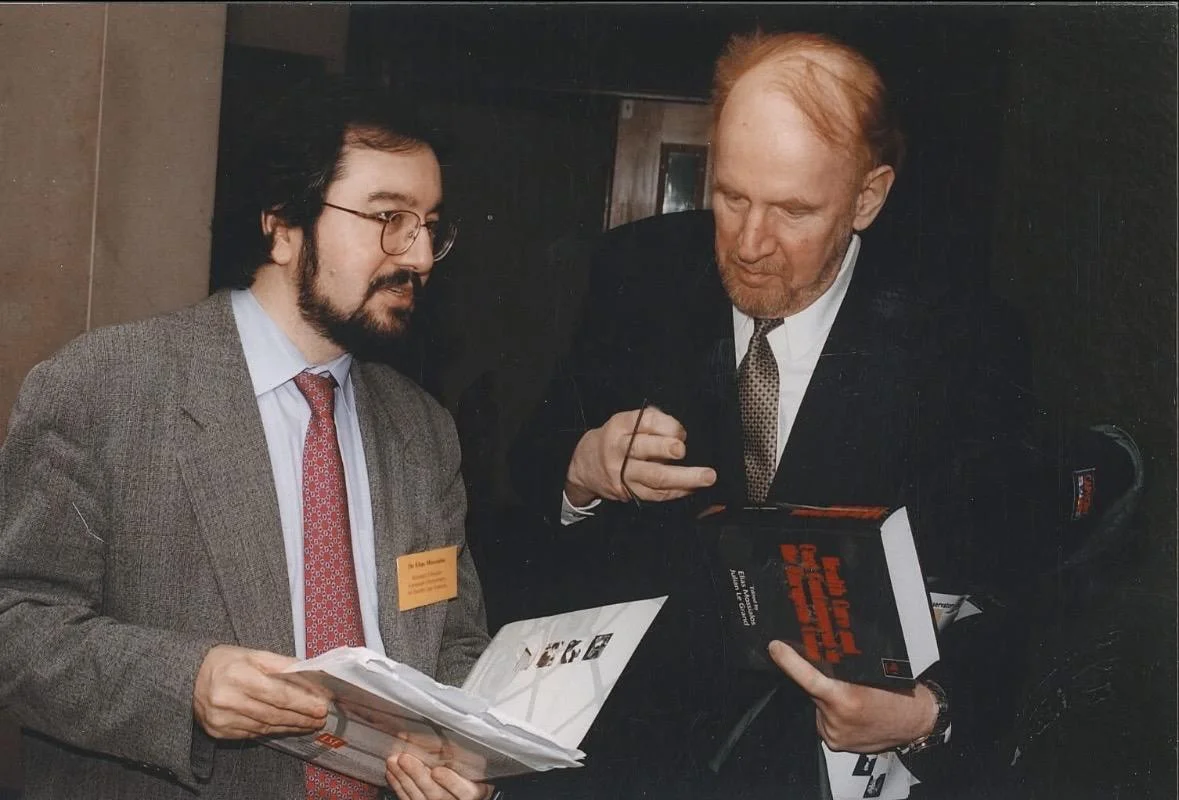
Mossialos: We did. It came together in a book we co-authored with Brian Abel-Smith, Walter Holland and Martin McKee, Choices in Health Policy: An Agenda for the European Union. That book laid out the case for why Europe needed a dedicated institution to monitor and analyse health system reforms.
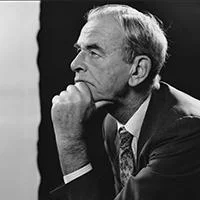
Brian Abel-Smith was an enormous influence on both of us. He understood the politics of health policy like few others, and he could see that the European dimension was going to become critical. In the 1970s Brian had worked closely with the European Commissioner Henk Vredeling on social policy and on controlling pharmaceutical costs. Sadly, Brian died in 1996, before the Observatory came into being. But the intellectual foundations he helped lay were essential.
Fenton: So you had the idea, and you had it in print. What happened next?
Figueras: We tried the obvious route first. We went to our own institutions, LSE for Elias and the London School of Hygiene and Tropical Medicine for Martin and me, and said: this is something we should build here. The response was polite but unenthusiastic. Universities are not naturally inclined to set up operational bodies whose primary purpose is to serve policymakers. Their incentives point elsewhere: towards traditional research, grants and publication impact. The idea did not fit neatly into any existing structure.
Mossialos: To be fair to them, what we were proposing was unusual. It was not a research centre in the conventional sense. It was a knowledge broker, a partnership that would sit between the academic world and the policy world. That is a difficult thing to explain to a university committee. Where does it sit? Who funds it? What are the outputs? These were legitimate questions, and at that point we did not have all the answers.
Fenton: So what changed?
Figueras: I moved to Copenhagen. I initially took a temporary position at the WHO Regional Office for Europe, in the Health Services Department, working with Richard Saltman on the preparations for the WHO ministerial conference on health systems to take place in Ljubljana, Slovenia. The department was led by Constantino Sakellarides, who was deeply committed to supporting reform efforts in countries, under the broader leadership of the Regional Director Jo Asvall.
From inside WHO, the landscape looked completely different. You could see the demand from member states. Ministers were reforming insurance systems, hospitals and primary care while trying to contain costs and preserve equity. Experience was accumulating everywhere, but there was no systematic way to analyse it, compare it and return it to policymakers in a usable form.
Fenton: And that demand became visible at Ljubljana?
Figueras: Ljubljana was the turning point. In June 1996, WHO convened the first European Ministerial Conference on health systems in Slovenia. Health ministers from across the WHO European Region came together. It was an extraordinary moment. You had ministers from Scandinavian welfare states sitting alongside ministers from countries that had barely begun to dismantle their Soviet-era health systems. And they adopted the Ljubljana Charter, which committed them to reforming health systems around values such as equity, quality, effectiveness and evidence, and to monitoring and evaluating those reforms systematically.
Fenton: What was the atmosphere like?
Figueras: Electric. Slovenia had only been independent for a few years, yet it was hosting a conference where health ministers collectively acknowledged that reform needed evidence. The systems differed enormously, but the questions were shared: how to fund fairly, organise efficiently and know what works. The Charter gave those questions political legitimacy.
Richard Saltman and I were co-leading WHO's study of health care reforms across the region. A core part of that work was the analysis of country health systems through what became the Health Systems in Transition profiles, the HiTs. Martin came to Copenhagen on sabbatical during this period, and Suszy Lessof joined the nascent initiative. With ad hoc country correspondents, they produced a first set of country profiles at remarkable speed. What began as country profiles for the Ljubljana work became one of the Observatory's central pillars, and later evolved into the wider Health Systems and Policy Monitoring network.
Fenton: So you were doing the intellectual groundwork for the Observatory before the institution formally existed?
Figueras: Exactly. Ljubljana showed that there was a real appetite among governments for comparative analysis. The existing infrastructure could not deliver it. Nobody was pulling together the evidence in a way that was timely, independent and directly useful to policymakers. At the end of the ministerial conference, member states passed a resolution for the creation of an observatory, although no resources were attached. But that mattered. We now had both the analytical base and the political mandate to keep making the case inside WHO.
At this stage the work in London was essential. Elias and Martin, with their teams, were leading the research effort effectively pro bono, and Suszy was helping to turn a good idea into a functioning organisation. Without that combination, political demand from member states, research strength from London, and the institutional opening within WHO, the Observatory would not have happened.
Mossialos: What Josep did was absolutely critical. He took the idea we had been discussing in London and gave it an institutional home and a political mandate. The demand was there because Josep and Suszy had helped create it, and because he understood how to translate an intellectual idea into something WHO and governments could actually support.
***
Fenton: And that is where Jo Asvall came in?
Figueras: Jo Asvall was the WHO Regional Director for Europe at the time. He was a visionary, a Norwegian with a deep commitment to equity and evidence. After Ljubljana, the case was clear. I went to him and said: the ministers have committed to monitoring and evaluating reforms; now we need the machinery to do it. We need an observatory, something that watches, analyses and reports on what is happening in health systems across Europe. Not a bureaucratic body, but a lean partnership bringing together governments, international agencies and academic institutions. He understood it immediately. He gave us the green light, and his institutional support to start the initiative.
Fenton: But it was not exactly a lavish launch, was it?
Figueras: Not at all. WHO offered support, but the resources were very limited. We had a small number of governments and agencies willing to come on board; Norway and Spain were among the first, together with the European Investment Bank and the World Bank. And then, ironically, LSE and LSHTM, the same institutions that had not been able to host the idea when we first proposed it from within, agreed to participate as academic hubs. Which made perfect sense. The structure we ended up with was stronger: a partnership hosted by WHO, with academic centres providing the research backbone. It gave the Observatory both political credibility with governments and intellectual rigour.
Fenton: Was WHO entirely at ease with this arrangement?
Figueras: It did not fit neatly with WHO culture or regulations at the time. The Observatory was a semi-autonomous partnership inside WHO. WHO acted as host organisation in legal, administrative and budgetary terms, but the Observatory operated with decision-making independence through a separate Steering Committee, with representatives from each partner. That made some people uncomfortable. We had our own work priorities, our own funding streams and our own publication programme while aligned with the broad mandate and priorities of WHO.
The universities found it unusual as well. We were producing work shaped by policymakers' needs, not only by research council priorities, which was sometimes seen as a lesser form of scholarship. We faced scepticism on both sides: from WHO staff who felt we were too academic, and from academics who felt we were too applied. Open-minded Regional Directors including Jo Asvall, Marc Danzon, Zsuzsanna Jakab and later Hans Kluge gave the hybrid model space to work.
There were also real legal and governance complexities. Three things were decisive in navigating them: Suszy Lessof's institutional work on agreements, governance, operations and quality; Charles Normand's chairmanship of the Steering Committee; and partners who defended the Observatory's independence while recognising WHO's role as host. The lesson was clear: institutions matter, but individuals matter just as much.
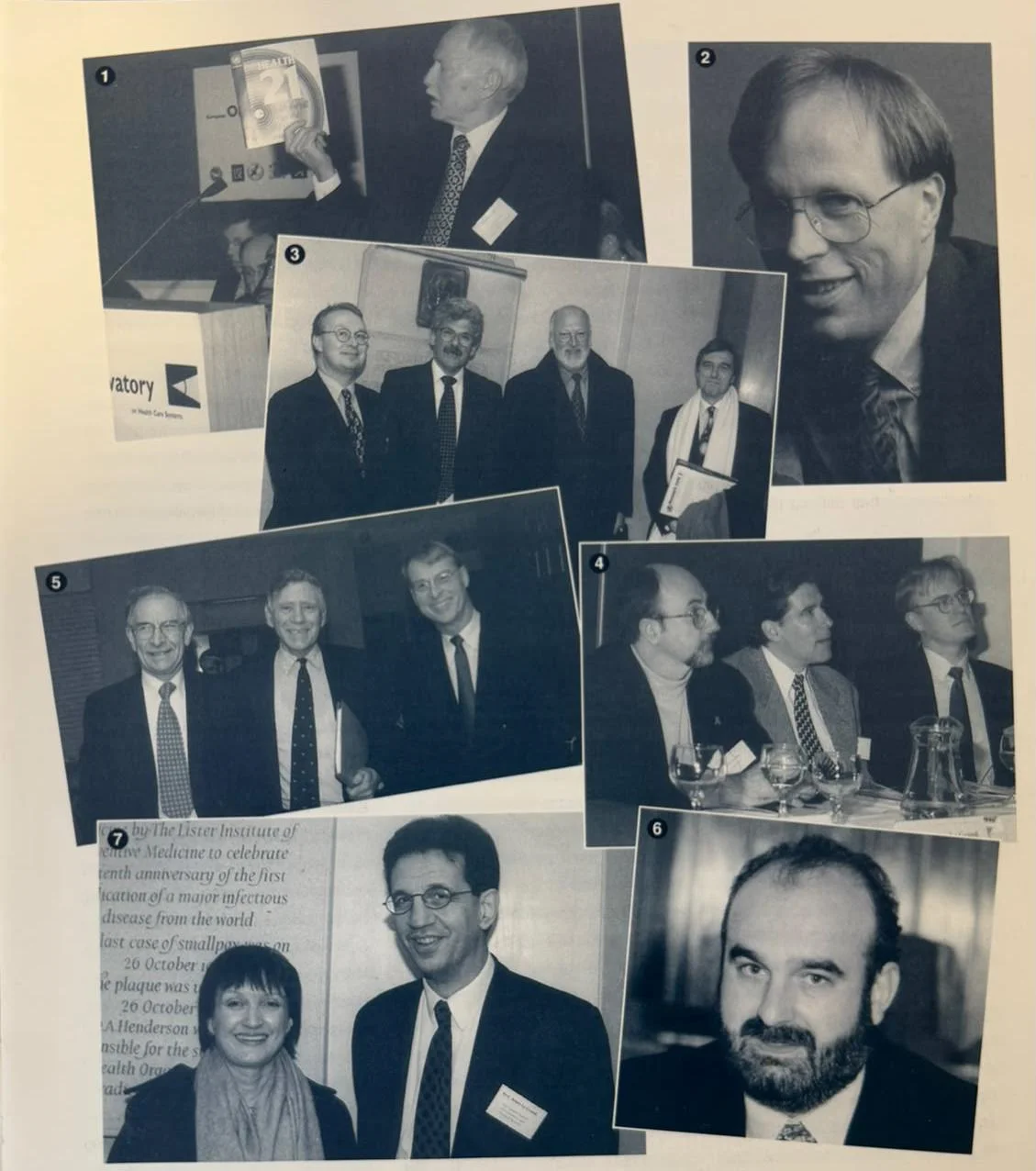
Fenton: Elias, what was the mood when it actually launched in February 1999?
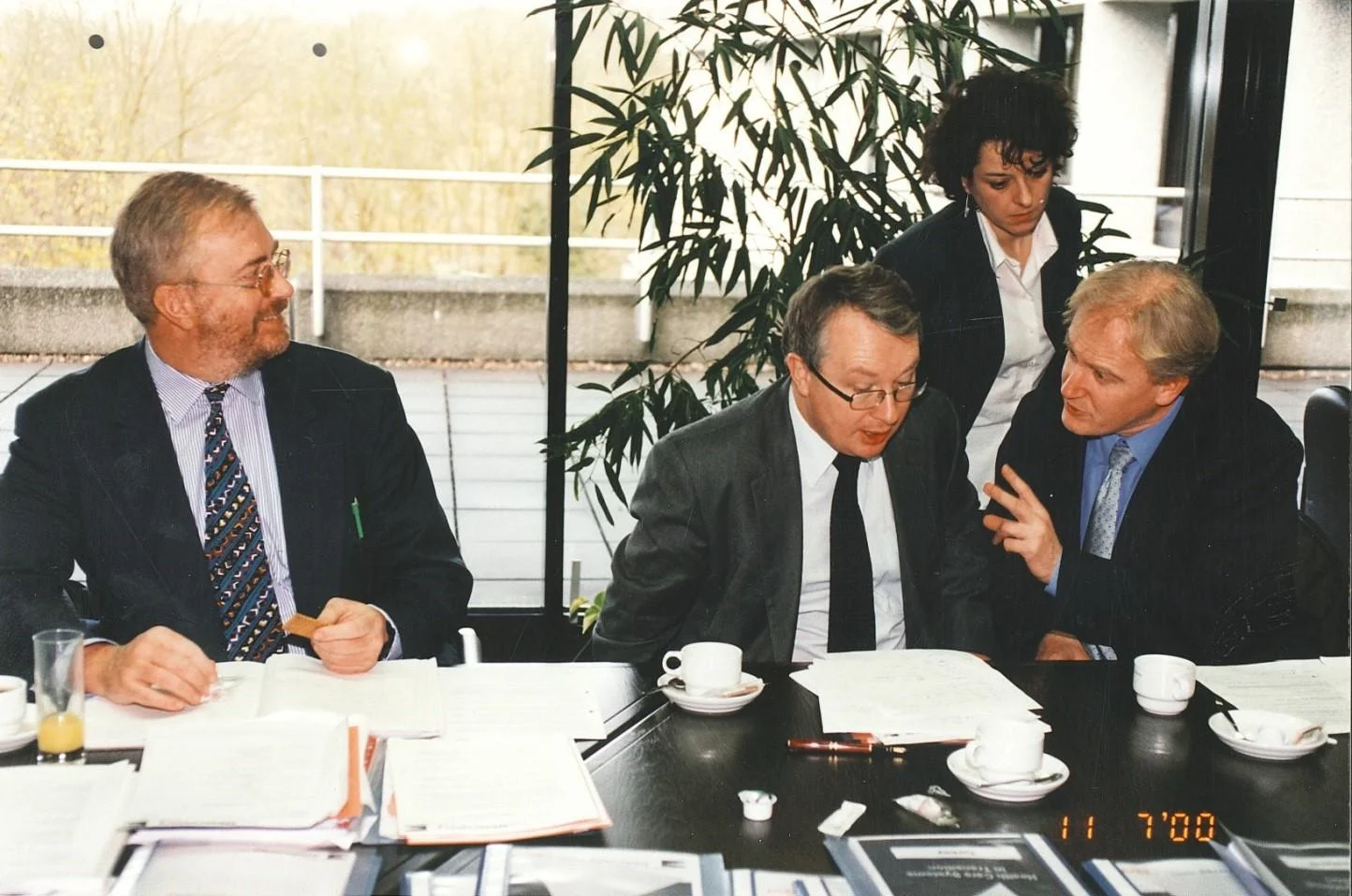
Mossialos: Honestly? A mixture of excitement and anxiety. We had funding secured for three years. Three years. If we could not demonstrate our value in that time, it was over. There was no guarantee this would survive. Josep said something at the London launch that captured the feeling perfectly, he called it "the start of a fascinating development." That was diplomatic. What he meant was: we do not know if this is going to work, but we believe in it completely.
And we did not only have an idea. We had people. We had colleagues, staff and partner representatives who were completely committed to making it work. That mattered as much as the formal structure. The early Observatory was held together by conviction as much as by contracts.
Fenton: What were you most worried about?
Mossialos: Two things. First, relevance. We could produce the most rigorous comparative analysis in the world, but if policymakers did not read it, did not use it, we had failed. The whole point was to bridge the gap between evidence and practice. Second, duplication. There were other bodies in this space, the OECD, the World Bank, various EU actors. We had to find our niche without stepping on toes.
Figueras: I remember being very clear about this from the start. Our focus was not collecting primary data. National statistical offices and international data systems already did that. Our added value was in making sense of the data and the reform experience: collating, analysing, structuring and presenting findings in ways that could be embedded in policy processes. That is a different skill. And it turned out there was enormous unmet demand for exactly that.
This is Part 1 of a four-part series on the founding and development of the European Observatory on Health Systems and Policies. Read the other editions here.