

Richard Martin and Roxana Willis awarded prestigious Philip Leverhulme Prizes
Two academics from LSE Law School, Richard Martin and Roxana Willis, have been awarded prestigious Philip Leverhulme Prizes, recognising their outstanding research achievements and future potential.
The Philip Leverhulme Prizes, awarded by the Leverhulme Trust, recognise researchers at an early stage of their careers whose work has already had international impact and whose future research careers are exceptionally promising. The 30 winners in 2026 were selected from more than 400 nominations.
Each prize is worth £100,000, providing winners with significant funding to advance their research.
Five prizes were awarded in Law in 2026, with two going to academics at LSE Law School.
Richard Martin
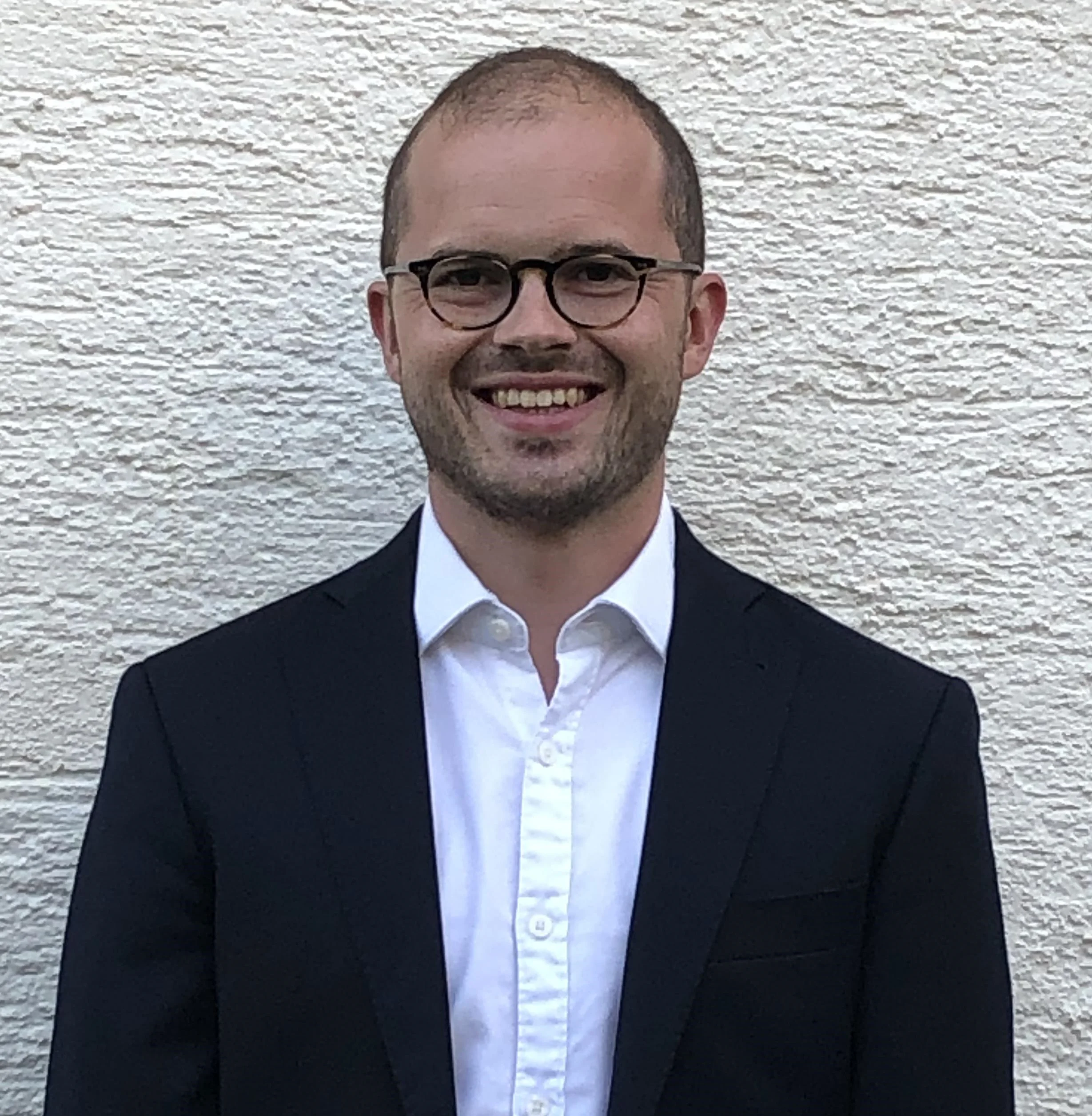
Richard Martin, Associate Professor of Law, conducts socio-legal and doctrinal research at the intersection of criminal justice, human rights and public law. His research has reached beyond academia, including work cited by the UK Supreme Court and evidence presented to Parliament’s Joint Committee on Human Rights.
Richard will use the Prize to explore a long-standing question about law and the state: can changing the law really change how frontline officials such as the police use their power? Drawing on his longitudinal empirical study of legislative reform of police powers, he aims to reveal how legal standards, institutional conditions and external scrutiny shape whether, and how, regulation takes hold. The funding will give him time to write up the findings, engage with practitioners and host an international workshop at LSE.
Commenting on the award, Richard Martin said:
LSE Law is full of people doing brilliant research, so having the chance to devote more time to my own projects alongside them in the years ahead is a real privilege. I’m immensely grateful to the Leverhulme Trust, and to Law School colleagues who have supported and encouraged me along the way.
Roxana Willis

Roxana Willis, Assistant Professor of Law, researches the legal system through the prism of structural inequality, with a particular focus on class and race. Her interdisciplinary work encompasses criminal law, conflict and violence, legal anthropology, legal history and philosophy.
Her research also addresses environmental justice, examining the harms caused by toxic waste and contaminated soil through community-led research and engagement.
Roxana plans to use the Prize to involve young people in discussions about industrial pollution and its effects. Although young people often bear the brunt of the slow violence caused by toxic waste, their perspectives and insights are largely absent from environmental debates. Support from the Leverhulme Trust makes it possible to meet this research need.
Commenting on the award, Roxana Willis said:
I am enormously grateful to the Leverhulme Trust for its support of working-class education and scholarship, to the colleagues who supported my nomination, and to everyone whose direct and indirect contributions make my research possible. I hope that the work facilitated by this award will deepen our understanding of environmental injustice by placing the perspectives and knowledge of those most affected at the centre of legal debate.
Professor Andrew Murray, Dean of LSE Law School, said:
I wish to congratulate Richard and Roxana on their incredible achievement. Their awards confirm that LSE Law School is home to some of the UK’s leading early-career researchers, undertaking groundbreaking work that advances our understanding of law and criminology. Their prize-winning projects will advance our understanding of bail policy in the UK and how it has influenced policing and how communities and community activism respond to the impact of toxic waste. This is exactly the kind of law-in-context research for which LSE Law School is known and which we are committed to supporting. Their awards today reflect their individual research achievements, but also the strength in depth of legal research being carried out at LSE.