

Forging Equitable Partnerships: Reflections from the LSE Grimshaw Club’s trip to Nairobi
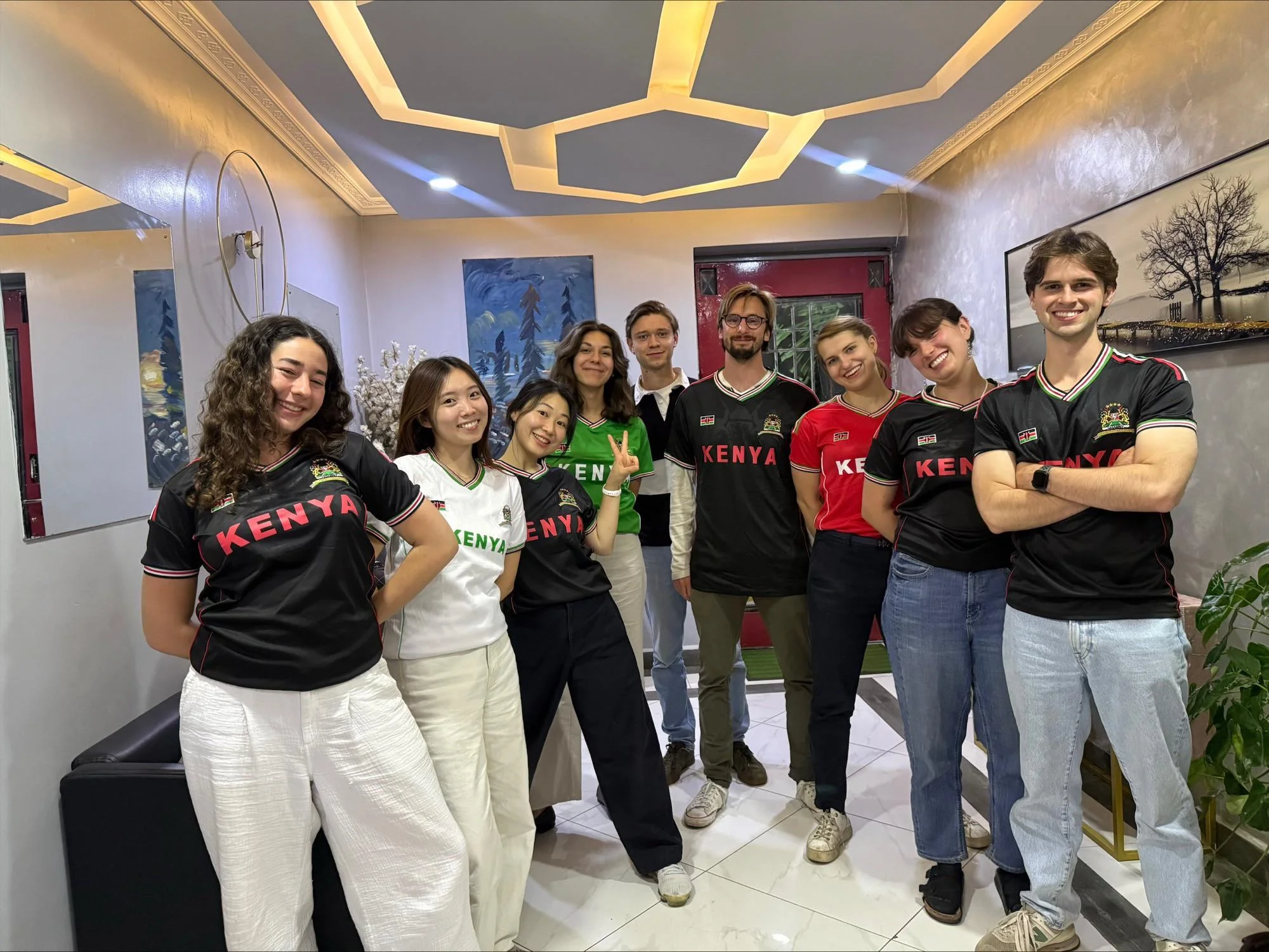
LSE’s Grimshaw Club is ‘the beating heart of international affairs,’ cultivating opportunities for students across the School to travel overseas to meet with politicians, diplomats and civil society leaders. This year, three students were able to boost these activities with the support of LSE's Global Experience Award funding. Learn more about how three students in the Club deepened their understanding of what truly equitable partnerships look like in their recent visit to Nairobi.
Momoko Kurihara (MSc International Development and Humanitarian Emergencies)
The Grimshaw trip to Nairobi was an incredibly eye-opening experience. From embassy visits at the policy level to conversations with University of Nairobi students at the grassroots level, we had the privilege of learning how different stakeholders are navigating the international development landscape amid an increasingly complex global environment.
One of the most striking perspectives we encountered was the idea that the dismantling of USAID could ultimately serve as a catalyst for rethinking the aid system. Recipient countries are not vulnerable beneficiaries. They are capable agents who deserve to be treated as equal partners to donor nations. Communities have always articulated their own needs and organised their own solutions. As the international community recalibrates aid governance, it is essential that this be recognised: not as passive recipients of aid, but as equal partners in development.
This experience also underscored for me the urgency of legal reform in this space. Refugee response, in particular, tends to be channelled through humanitarian frameworks rather than through states assuming responsibility for durable legal status. The result is a system that often expects refugees to achieve economic self-sufficiency while lacking full legal rights, unable to own property, and excluded from formal labour markets.
Kenya serves as an economic and humanitarian hub for East Africa, yet the intersection of conflict and extreme weather continues to keep the region unstable — a reminder of why it is so important to reflect on what genuine participation means in empowering local communities.
Yumin Kim (MSc International Development and Humanitarian Emergencies)
Returning to Nairobi with the LSE Grimshaw Society was deeply personal for me. I had lived and worked in Kenya for two years, and coming back gave me a chance to reconnect with a country and a city I hold close to my heart.
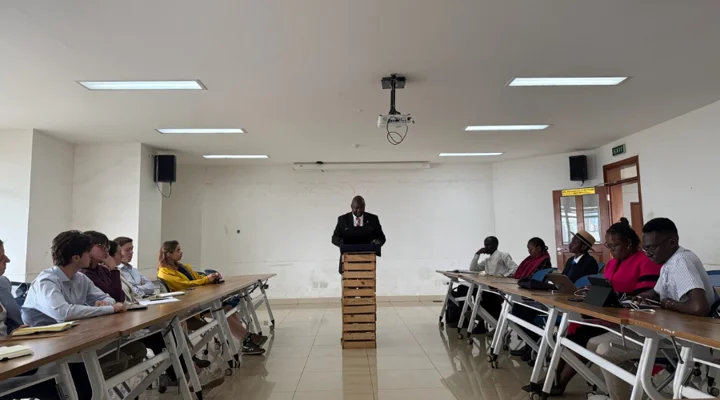
Over the week, we visited a range of institutions, including UN agencies, international NGOs, the EU Delegation, and the British High Commission, each offering a unique window into how development and diplomacy operate in Kenya. Among all these visits, though, the discussion with students at the University of Nairobi stood out the most. Hearing their perspectives on the future of development and the future of Kenya itself was genuinely eye-opening. As someone who has worked within a donor institution, I found myself reflecting deeply on how development is so often framed from the donor's side, and how rarely, and how valuably, we get to sit and listen to the voices of the people whose countries and futures these policies actually shape. As someone who studies and works in international development cooperation and humanitarian assistance, that exchange gave me a lot to think about, and reframed some of my own assumptions about what "development" really means and for whom it is meant to work.
Beyond that conversation, simply being back in Nairobi, reconnecting with familiar streets, food, and rhythms of daily life, was a quietly meaningful part of the trip. It reminded me why I care so much about this region and this work.
I'm sincerely grateful to the Grimshaw Society and the donor for making this trip possible, and for giving me the chance to return to Kenya with fresh eyes and even more questions to sit with.
Paulina Dauth (BSc International Relations)
Being able to join the Nairobi delegation in late June of this year was an incredible privilege, only made possible for me through the Global Experience Award (GEA). I am a working student, juggling multiple part-time jobs alongside my committee role in the Grimshaw club, which organized this trip. Being recognized for that effort through the GEA meant a great deal.
From the diversity of the delegation itself to the people we met along the way, I gained a deep insight into how international agencies can work (or fail to work). The focus of the trip was on the future of aid after the US cuts, and the possibility of bilateral cooperation overtaking traditional conceptions of aid. We were able to meet with members from over 10 different INGOs and study how they were able to coordinate together in disaster relief. As every participant on the trip was a master's student, I also had the opportunity to learn about their research firsthand and make connections with LSE students I normally would not have interacted with. Additionally, the visit to the University of Nairobi enabled us to speak with young Kenyan people directly and discuss the future of cooperation from their perspective as well.
Overall, this trip gave me the opportunity to explore different pathways that LSE alumni have taken and taught me that the obvious path will not always be the one that will lead to the best outcomes, both in personal career, as well as in global aid.
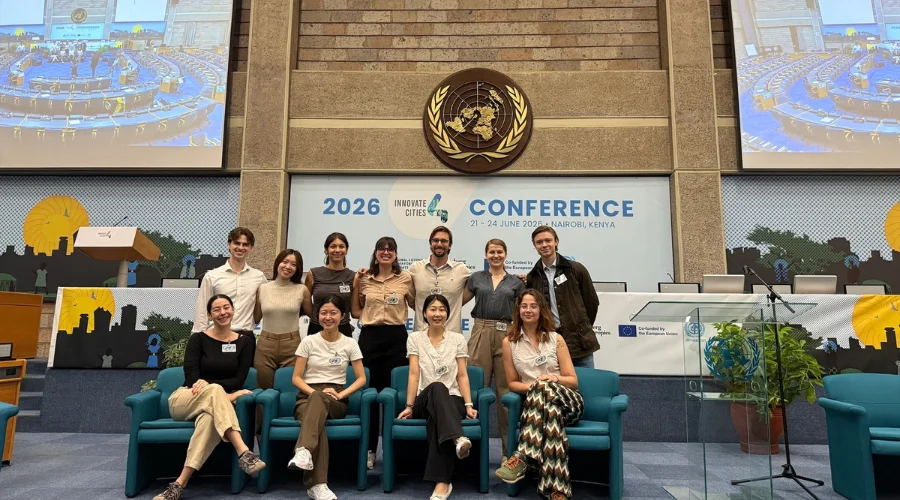
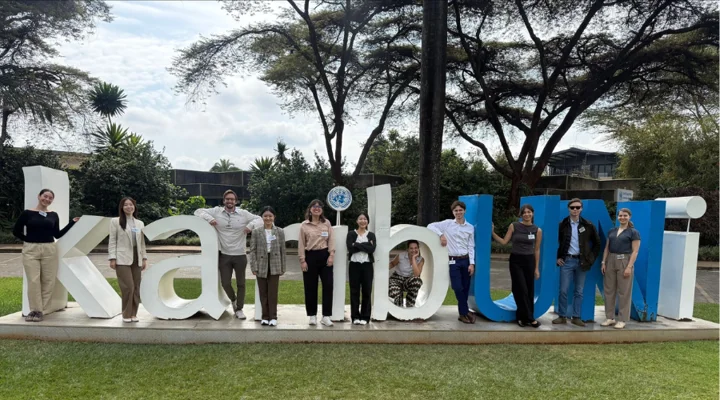
Momoko, Yumin and Paulina’s mobility experience was supported through LSE’s Global Experience Award (GEA), which contributes funds for LSE undergraduate and master’s students who organise their own study-focussed international activity. Learn more about eligibility, funding and how to apply to the GEA here.