Connecting Across Europe: CIVICA Staff Mobility Spotlight
CIVICA, an alliance of 10 leading European universities specializing in the social sciences, provides LSE staff, faculty and students with opportunities to participate in cutting-edge European collaboration alongside institutions of similar expertise. The CIVICA partnership provides opportunities across research, education, knowledge exchange and civic engagement.
One facet of this exchange is the CIVICA Staff Mobility Scheme - a new initiative launched in 2025 whereby LSE Professional Service Staff across the School can apply for a learning experience or professional development opportunity at another CIVICA partner university. Participants can take part in activities such as job shadowing, workshop participation, or informal training.
Keep reading to hear more about the experiences of LSE Staff who participated in the first cohort of this scheme.
Kyla Davis (Strategic Proposition Development Manager, PAGE) - Visit to the European University Institute, Italy
Why did you want to visit this institution?
At the end of November, I spent three days at EUI to understand how they are working with faculty on interdisciplinary research projects and their approach to fundraising for a social sciences focused institution. My job – working with faculty and PS colleagues to identify, develop and articulate the School’s fundraising priorities - contains elements of many roles in EUI's Development and External Relations serivce (DEXT) (equivalent to PAGE) and the Provost's Office.
What did you do while visiting the institution?
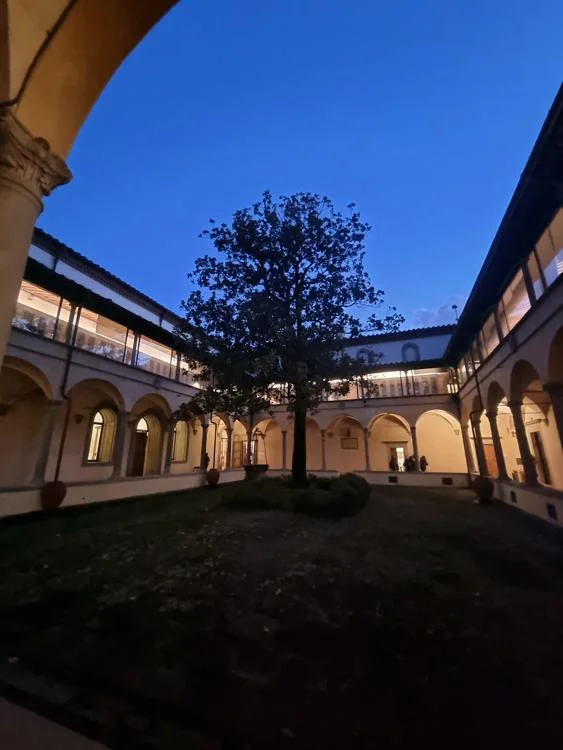
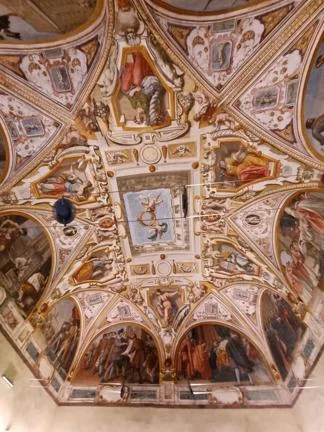
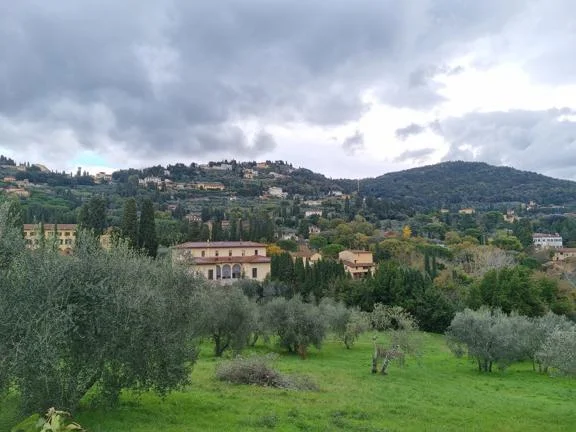
Serena, my host, had put together a packed schedule which enabled me to meet a variety of people and spend time in many of EUI’s beautiful buildings. It was so peaceful on campus. Most people stop for lunch and so the canteen in Badia Fiesolana was always busy and a great place to meet others.
Everyone was generous with their time and expertise. It was interesting to hear about how they establish interdisciplinary research projects, create content for a variety of audiences and navigate different governance structures. There were lots of commonalities, for example both institutions are currently leveraging milestones to generate income and strengthen supporter networks. EUI will be celebrating its 50th anniversary next year and is using this to launch new institution-wide initiatives and an alumni engagement programme.
I asked everyone I met with to help me build an “EUI culture list”. Each person gave one recommendation related to the institution, Florence or simply something they enjoy. It’s a great list, covering books, places, podcasts and tv shows.
How has the visit impacted your work at LSE?
Since returning to London, I’ve connected my colleagues in PAGE with their peers in EUI. EUI held an event in partnership with the European Institute on 29th January, so it was great to catch up with everyone when they were in London.
Ellie Potts (Marketing and Communications Officer, LSE Library) - Visit to the Stockholm School of Economics, Sweden
Why did you want to visit this institution?
I wanted to visit the institution for many reasons. I have Swedish family and I speak and read the language, so I was excited for to be immersed in the language in a work setting which I haven't had the chance to do before. I wanted to connect with open access publishing colleagues outside of the UK and to develop my skills in scholarly communications, drive transnational knowledge exchange, and to strengthen global connections by exploring different pedagogical contexts. Through shadowing the work of SSE, I wanted to see how SSE craft content strategies and social media for multilingual audiences in a way that was not possible in my current team environment at LSE Press / LSE Library.
What did you do while visiting the institution?
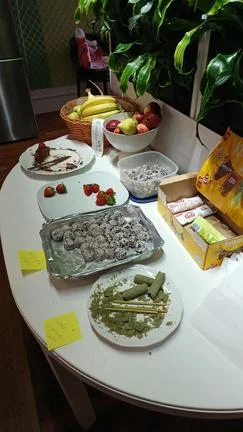
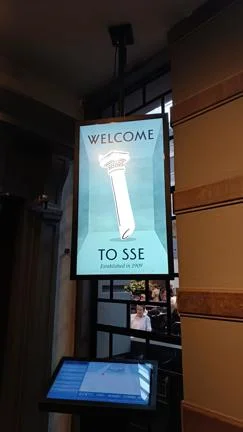
Before I headed to SSE I fika'd with some colleagues from Stockholm University Press at their campus Library. I then headed over to SSE and was given a tour of the main institutional buildings to get my bearings. Colleagues in the Comms Division generously shared their time with me to explain details of their work and projects ranging from their recent rebranding project to global outreach, SSE events, research communications and press, social media, and AI applications. Whilst I was visiting, SSE announced the launch of their new Public Policy MA, which was a big cause for celebration amongst teams. In true Swedish style, Staff were called to the common room and ice creams and sweet treats were distributed to mark the occasion before raising a toast of extra strong bryggkaffe.
SSE are proud of their unique standing in Sweden and across the world. They are proud of doing things differently. SSE receive the majority of their funding from corporate partners, alumni and foundations and less than 20% from central government, unlike the large majority of other Swedish universities. Another point of difference is their President's philosophy of art and its value within social science institutions. SSE's President argues that exhibiting contemporary art on campus within close and perpetual proximity of students acts as an 'itching power' for innovation and new ways of operating. It felt very refreshing. I attended an art tour and was shown SSE's incredible 'Art Classrooms' in addition to the Presidential offices and grand meeting rooms styled by Svenskt Tenn (featuring a Hilma Af Klint rug which is now firmly on my dream Pinterest moodboard).
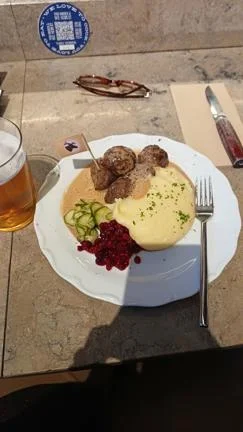
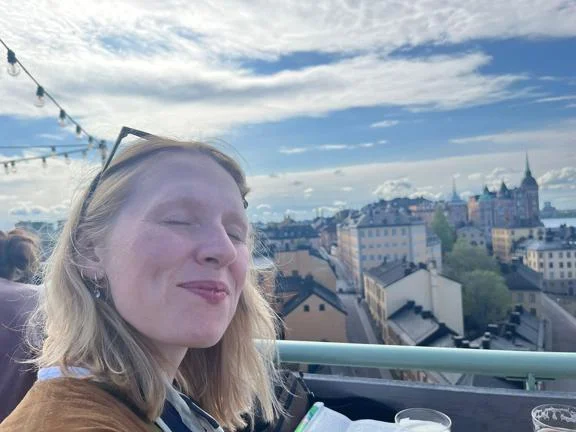
Whilst in the city I walked lots, ate lots, mooched around Södermalm, and extended my trip to attend a family wedding. I was grateful for SSE colleagues for their tips and encouragement with my bridesmaid speech (Swedish weddings have many speeches).
What advice would you give to a staff member who is looking to visit a CIVICA partner?
Arrange your schedule in advance so that you can make the most of the time you have there - it will fly by quickly. At the same time, leave some space in your schedule for opportunities that might arise which you weren't aware of before heading out - events or tours, for example. Take photos, ask people for local recommendations, learn (at least) a few phrases of the language if you don't know it already, and bring some UK treats for the office you're visiting. Before you finish your exchange, follow up with everyone you meet and thank them for their time - that way everyone has each others' contact details for future collaborations and introductions beyond your stay.
Daniel Brambilla-Payne (Curator for Politics and International Relations, LSE Library) - Visit to the European University Institute, Italy
Why did you want to visit this institution?
I went to the Historical Archives of the European Union (HAEU), located on EUI’s campus in Fiesole. I work as the politics curator at LSE Library, where I look after archives relating to Brexit and the UK’s relationship to the idea of a federated Europe. I thought there would be interesting ways our two archives could connect, and I wanted to learn how they engage people with their archives, as this is a major focus of my role at LSE.
What did you do while visiting the institution?
I had a lot of meetings and a lot of coffee, and did some practicing of my Italian! I also shadowed one of the classes they gave to a school which was very inspiring, and I came away with lots of ideas for how to do things differently here. I also collected from their library material that will now be on display at an upcoming exhibition at LSE Library. I wrote a longer diary about my trip which you can read here.
What advice would you give to a staff member who is looking to visit a CIVICA partner?
When you’re planning your visit and coming up with your itinerary with the partner, make sure you’re very clear about your objectives for the visit – what exactly do you want to learn and see? Related to that, what exactly can you offer them? Also, it can be exhausting meeting lots of people in a new work context. If you can make it work, make sure you book some annual leave before or after the visit so you have time to settle in / recover.
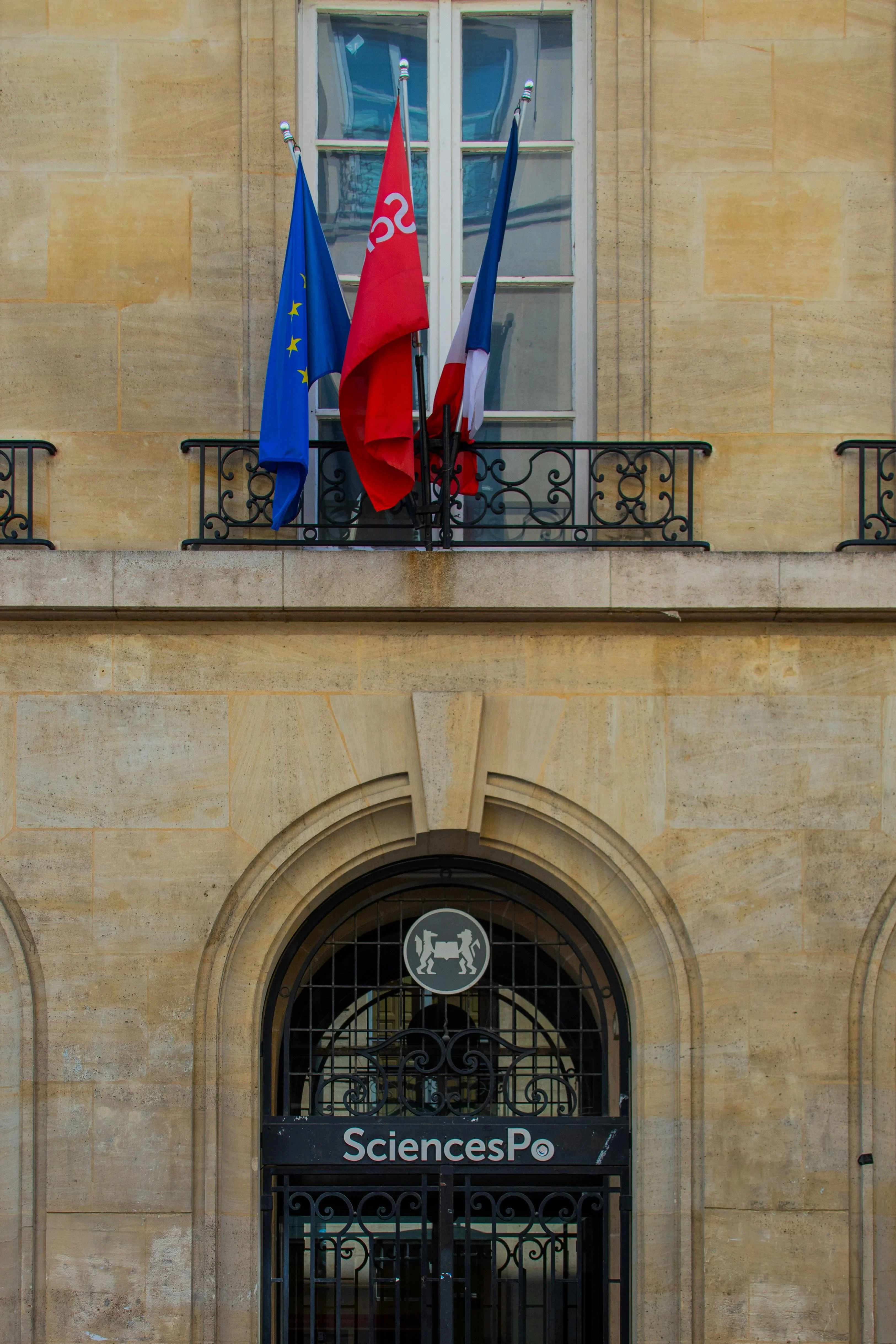
Alex Free (Careers Consultant, LSE Careers) - Visit to Sciences Po, France
Why did you want to visit this institution?
My two-day visit to Sciences Po in May 2026, facilitated through the CIVICA scheme, was a valuable opportunity to explore labour market challenges and careers education approaches at a peer institution operating in a comparable but distinct context to LSE. The visit provided insight into the ongoing challenges of supporting students to build meaningful connections with alumni, engage with structured pathways into employment, and develop the professional skills required to add value at the point of entry into organisations.
How has the visit impacted your work at LSE?
I particularly valued the extended exchange with colleagues in the Sciences Po careers team, which enabled a productive sharing of practice. I was able to outline how LSE approaches careers education, including our work on supporting students to develop key skills, strengthening employer engagement, and designing 'discover' programmes that help students and graduates explore sector pathways and understand expectations for future roles.