
CIVICA Faculty Short Visits 2026/27
LSE Faculty members and postdoctoral researchers at LSE are invited to apply for the CIVICA Faculty Short Visits Programme 2026/27.
Applications are open from 14 October to 1 December.
What is the CIVICA Faculty Short Visits programme?
The CIVICA Faculty Short Visits programme supports short academic visits between CIVICA partner universities, helping researchers strengthen existing collaborations, explore new research opportunities and expand their international networks across Europe.
Whether you are developing a joint research proposal, planning future publications, organising academic events or exploring new areas of collaboration, a CIVICA Faculty Short Visit can provide valuable opportunities to connect with colleagues across the alliance.
Why apply?
A Faculty Short Visit can help you:
- Develop new international research collaborations
- Strengthen existing partnerships within the CIVICA alliance
- Explore opportunities for joint publications and grant applications
- Deliver research talks and seminars at partner institutions
- Organise workshops and networking activities
- Increase the visibility and impact of your research
- Connect with academics, postdoctoral researchers and doctoral candidates across Europe
Who can apply?
You may be eligible if you:
- Are a member of academic staff at LSE; or
- Hold a postdoctoral research position at LSE; and
- Have an active contract during both the application period and proposed visit.
Researchers from all disciplines are encouraged to apply.
What activities can be funded?
Visits should support meaningful academic collaboration and normally include a combination of activities such as:
- Presenting a research talk
- Participating in a workshop, seminar or conference
- Meeting potential collaborators
- Exploring future funding opportunities
- Supporting doctoral researcher engagement
- Developing joint research projects or publications
Applicants should identify and contact potential hosts before submitting an application. Travel and accommodation costs directly related to the visit are eligible. Subsistence costs incurred during the visit should be covered by the applicant's home department.
How will the applications be evaluated?
Submitted applications will be evaluated by the Permanent Design Team of CIVICA. The PDT consists of vice-presidents for research or senior faculty of the ten CIVICA partner universities. Selected applications will be financed by their sending/home university in accordance with the home university’s financial rules and allocated CIVICA budget.
The academic relevance of the proposed activities should be convincingly laid out, and the requested budget (number of nights) should be commensurate with the duration and/or number of activities proposed. Sending/home institutions may request a modification of your budget prior to approval.
Application process
Step 1
Identify a host institution and academic contact. Check our list of contacts at CIVICA partner institutions for assistance.
Step 2
Develop a proposed programme of activities for your visit in collaboration with your host institution contact.
Step 3
Complete the application form and supporting documentation required before the specified deadline.
Applications will be assessed by CIVICA according to the academic quality, relevance and potential impact of the proposed activities.
Questions?
If you have any questions about the application process, please contact Aygen Kurt-Dickson: A.S.Kurt-Dickson@lse.ac.uk
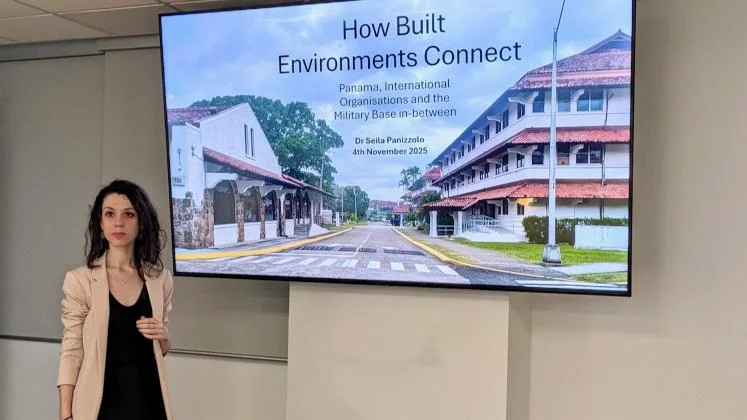
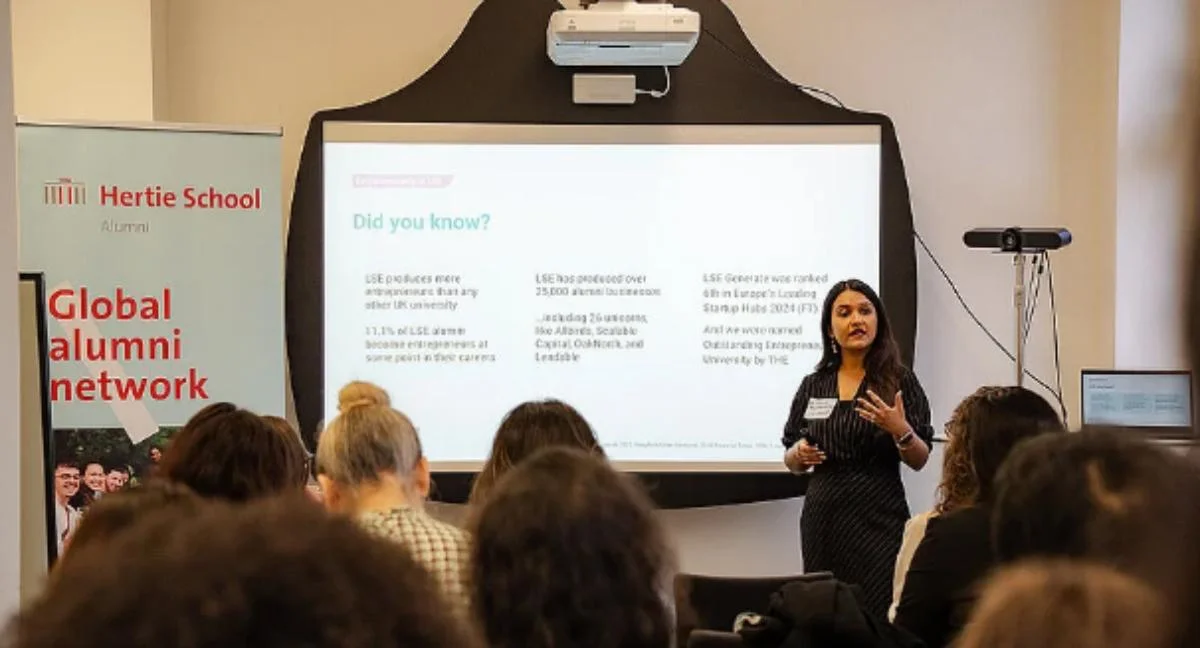
Want to hear more from LSE colleagues who have participated in CIVICA Faculty Short Visit experiences? You can read more about their experiences across Europe here: CIVICA Faculty Short Visits
I found a vibrant community at the heart of European research and I am already thinking about my next visit.