

LSE Class Teacher Awards 2026
A wonderful evening at The London School of Economics and Political Science (LSE), celebrating excellence in teaching through the LSE Class Teacher Awards and the LSESU Teaching Awards.
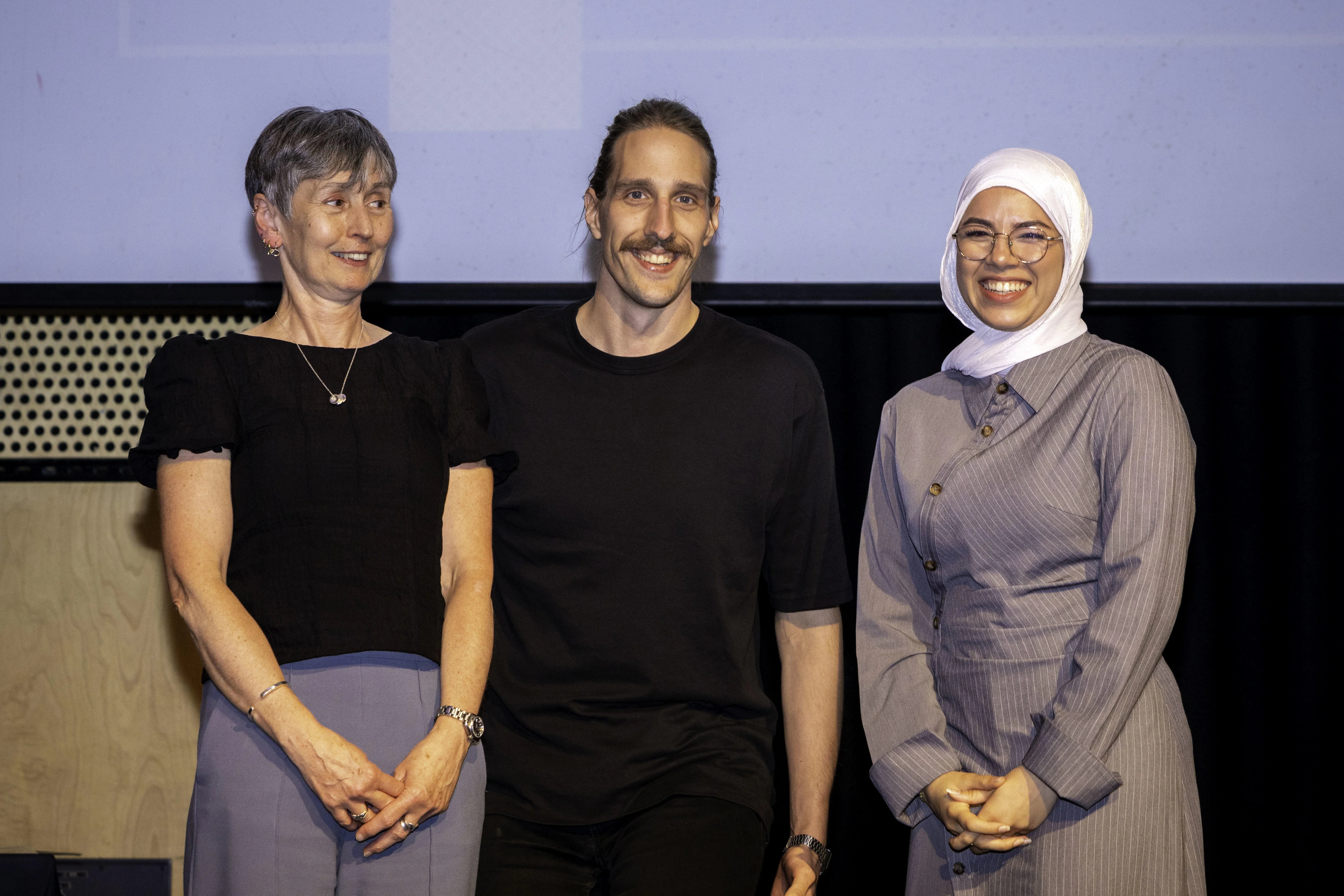
Congratulations to Jannis Stöckel on receiving the LSE Class Teacher Award for the LSE Department of Health Policy, and to Marta Grabowska, Marina Kousta and Daniele Sudsataya on receiving Highly Commended recognition.
The LSE Class Teacher Awards recognise Graduate Teaching Assistants, Teaching Fellows and Guest Teachers for their outstanding contributions to teaching and learning across the School and are organised by the LSE Eden Centre for Education Enhancement.
A special mention also goes to Jonas Weinert, a PhD student in the Department of Health Policy, who received Highly Commended recognition for his teaching with the LSE Data Science Institute.
We were also delighted to see Miqdad Asaria shortlisted for the LSESU Teaching Awards Outstanding Teacher of the Year award, recognising his outstanding and innovative approach to teaching and his ability to open new perspectives on some of the most important questions facing health systems today.
Teaching is at the heart of what we do, and it is fantastic to see colleagues recognised for the dedication, expertise and support they bring to our students every day.
Congratulations to all involved!
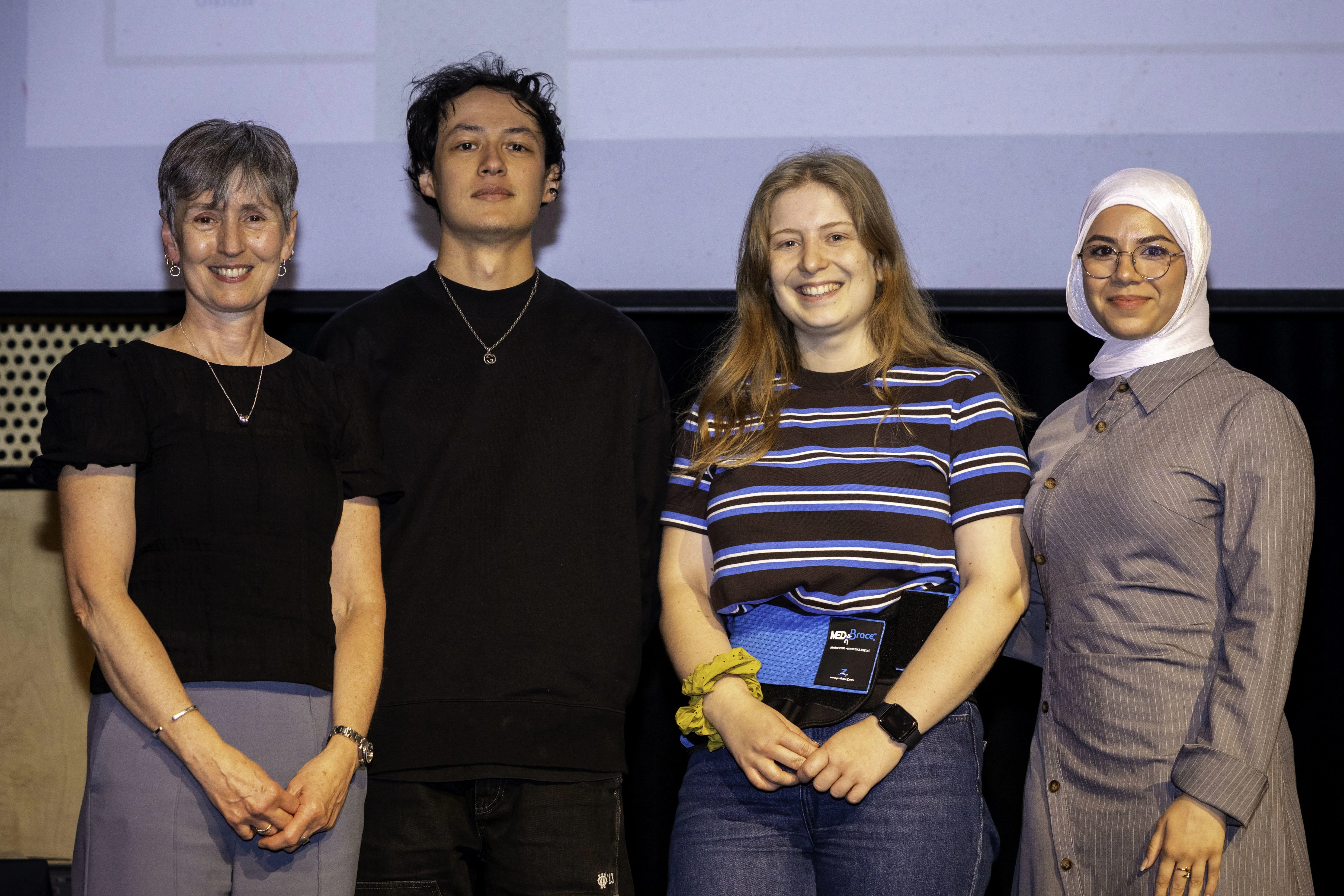
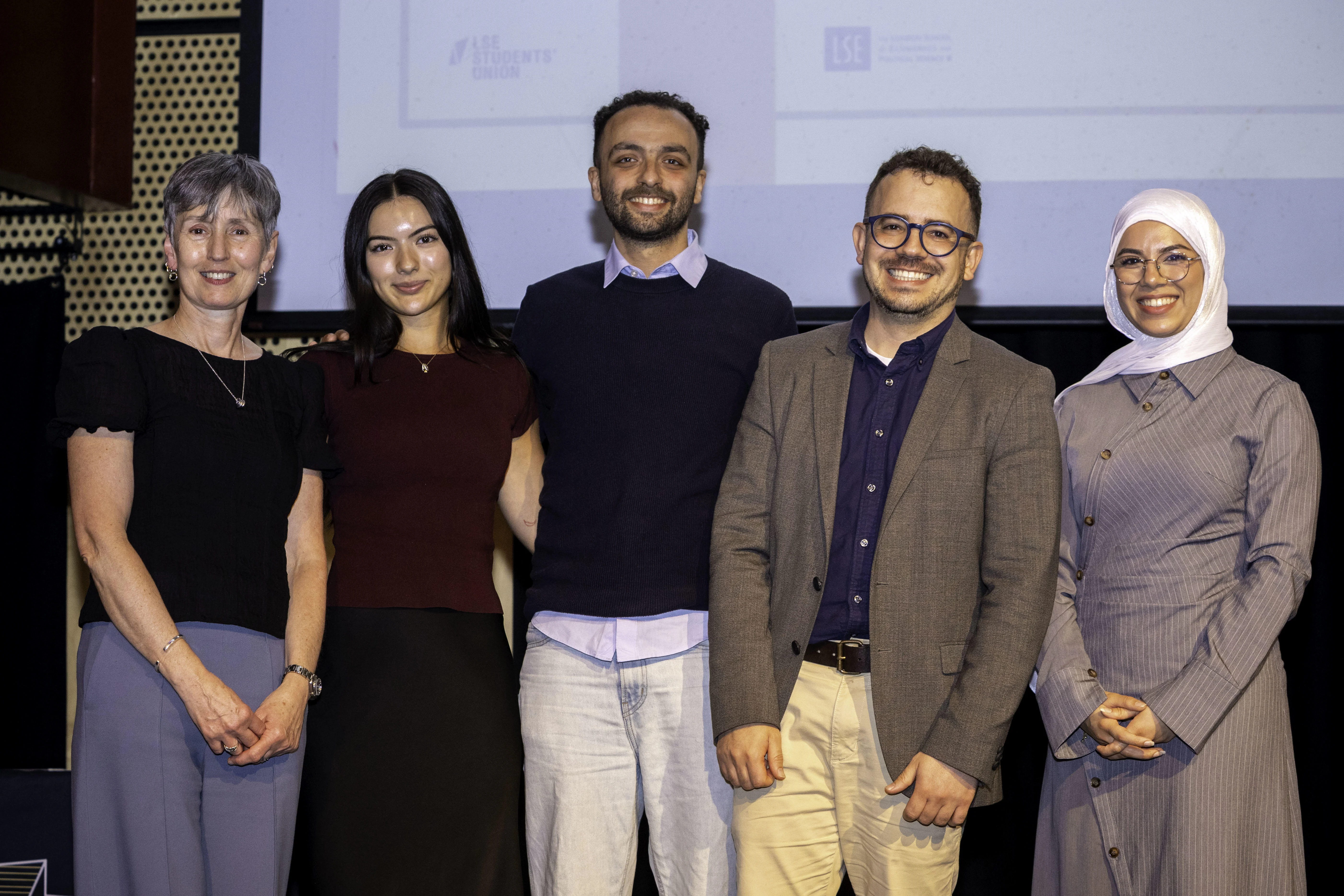
Following Jannis Stöckel’s win at the LSE Class Teacher Awards, we spoke with him about what the recognition means to him and his approach to teaching.

What does winning the LSE Class Teacher Award mean to you personally?
I personally care a lot about teaching as I think, unlike research, it is one area of an academic's work with the most predictable and direct (positive) impact potential on a day-to-day basis. Research can sometimes be glacially slow with little in-between successes. Thanks to the level of engagement from the diverse student body we get at the LSE teaching can be a good balancing factor in this, and I cherish the privilege of being able to teach our students. Having received this reward is a nice confirmation that the effort I put into my work in the classroom is seen and recognized by students and the Department.
What do you think makes an effective class teacher, and how do you bring that into your own teaching?
Ultimately, I think it is down to being authentic in the classroom, translating some of the passion you have for your own research to the education of the next generation, and making sure diverse student voices can contribute throughout. Most importantly, though, don't always take yourself too seriously. The world is serious enough already.
Can you share a memorable moment with students that reminded you why you enjoy teaching?
Together with Miqdad, we took a bit of a leap of faith this term by reworking his Advanced Health Economics course into 3.5 uninterrupted hours of workshop-style teaching, trying to make formal content more accessible to all. That required real buy-in from students as we tested approaches along the way, often playing it by ear with a few bumps in the road.
By the last session, we had found a common rhythm: students first worked through board game–style exercises representing a given economic model’s logic, before picking apart the mathematical equivalent in problem sets. I vividly remember groups deciding to run a benevolent socialist nursing home, rather than follow the profit-maximising logic we had built into the exercise, or the Schadenfreude in a rigged game of snakes-and-ladders illustrating inequalities in life expectancy.
These moments stuck with me, they showed not only that you can be creative in your teaching, but that this is really rewarded by students, not just with laughter but with deeper learning and a willingness to engage with complex economic theory.
What feedback from students has had the biggest impact on how you teach?
A student wrote in the TQARO surveys that what a teacher brings to the classroom in terms of energy and effort is pretty much what they get out as well. Visibly making an effort, whether that is in the creation of materials or eliciting students along the way, on what works and does not work, is something I want to take as a rule going forward. There is no need to perform each day at your best or to have all figured out at the start, but credibly showing that you care about improving over time, in my experience, will let students buy into your teaching approach and be quite forgiving even when not all your ideas land on the first try.
Read more about the class teacher awards here.