

REBIAS II Young Carer's Festival
By Jayeeta Rajagopalan
On June 28th, 2025, CPEC researchers Cristhian Jaramillo-Huaman and I had the opportunity to attend the 25th annual Young Carers Festival, joined by almost 800 young carers; this is one of the biggest events for young carers in the country and was held at the YMCA Fairthorne Manor in Hampshire.
We hosted a stall as part of the ongoing REBIAS-II project based at the Care Policy and Evaluation Centre (CPEC), London School of Economics and Political Science (LSE). This project aims to understand how young carers and their families get the support they need. It is led by Dr Nicola Brimblecombe, and it started in March 2024. So far, it has involved interviews with young carers and their cared for parents in England about their experiences, and a practitioner survey to better understand what tools/approaches are used to identify, assess and implement support for young carers and their families. The festival offered a wonderful platform to engage with young carers and practitioners about our project activities, and gather their insights on whole family support.
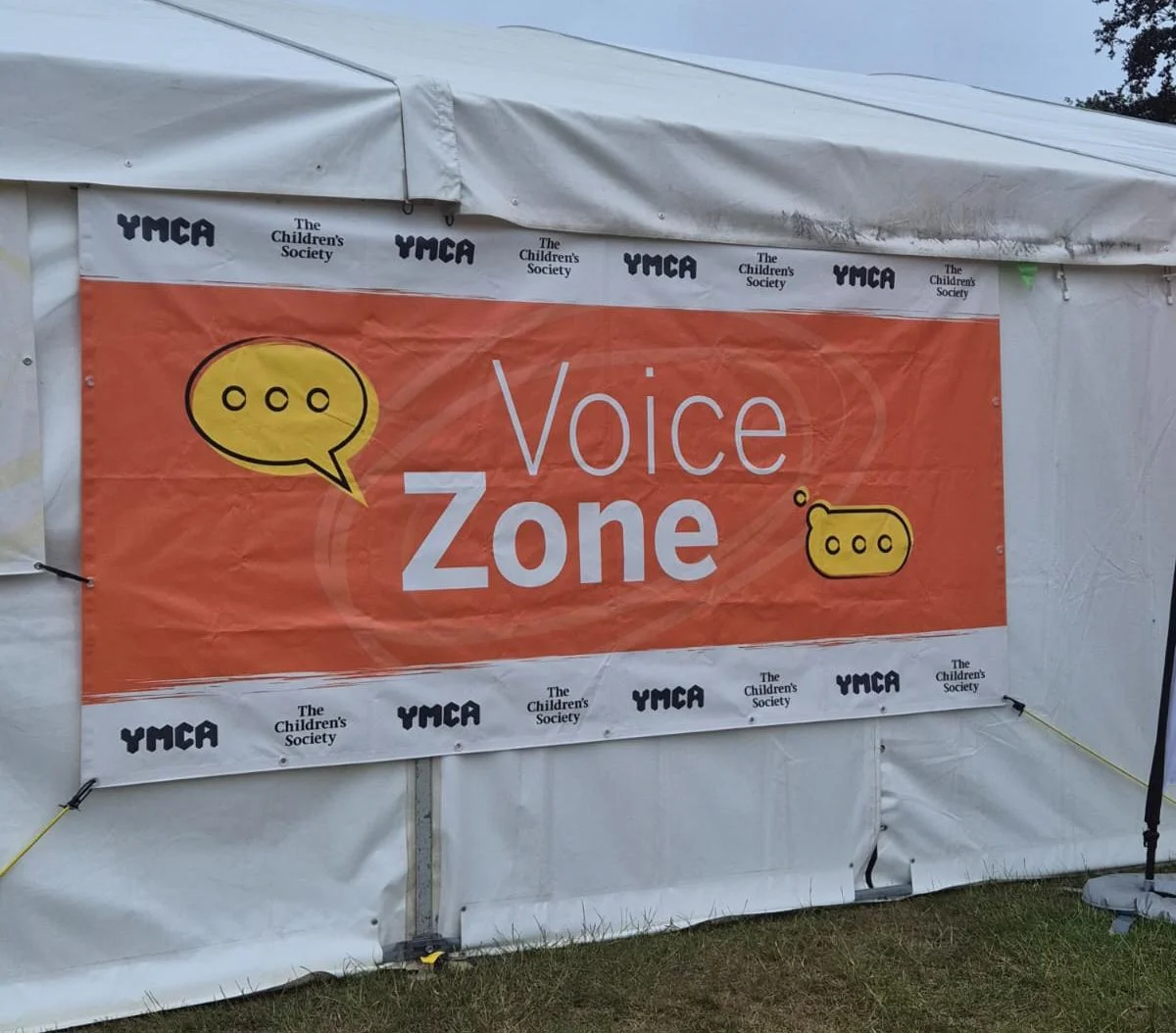
We set up our stall set up in the ‘Voice Zone’. The stall was designed to reflect our project activities and get insights from young carers. It featured a mix of ‘experience’ related questions and light-hearted ones. We displayed the majority of our questions on a colourful ‘wheel’ (pictured below), inviting young carers to spin it and respond to the question card that matched the number/word the wheel landed on. The question cards included the following questions:
- What would you liked to be asked from someone who is looking to help you and/or your family?
- What would you not like to be asked by someone who is looking to help you and your family?
- Who would you go to if you needed help for you and your family (e.g., teacher, social worker, aunt)?
- Draw (or use play dough) to describe something that you feel that will help make your family happy
- Draw or use play dough to describe someone who is listening well
- Draw or use play dough to describe someone who is bad at listening
- What would be your dream pet?
- What do you hope to see different 6 months from now in terms of support for you and your family?
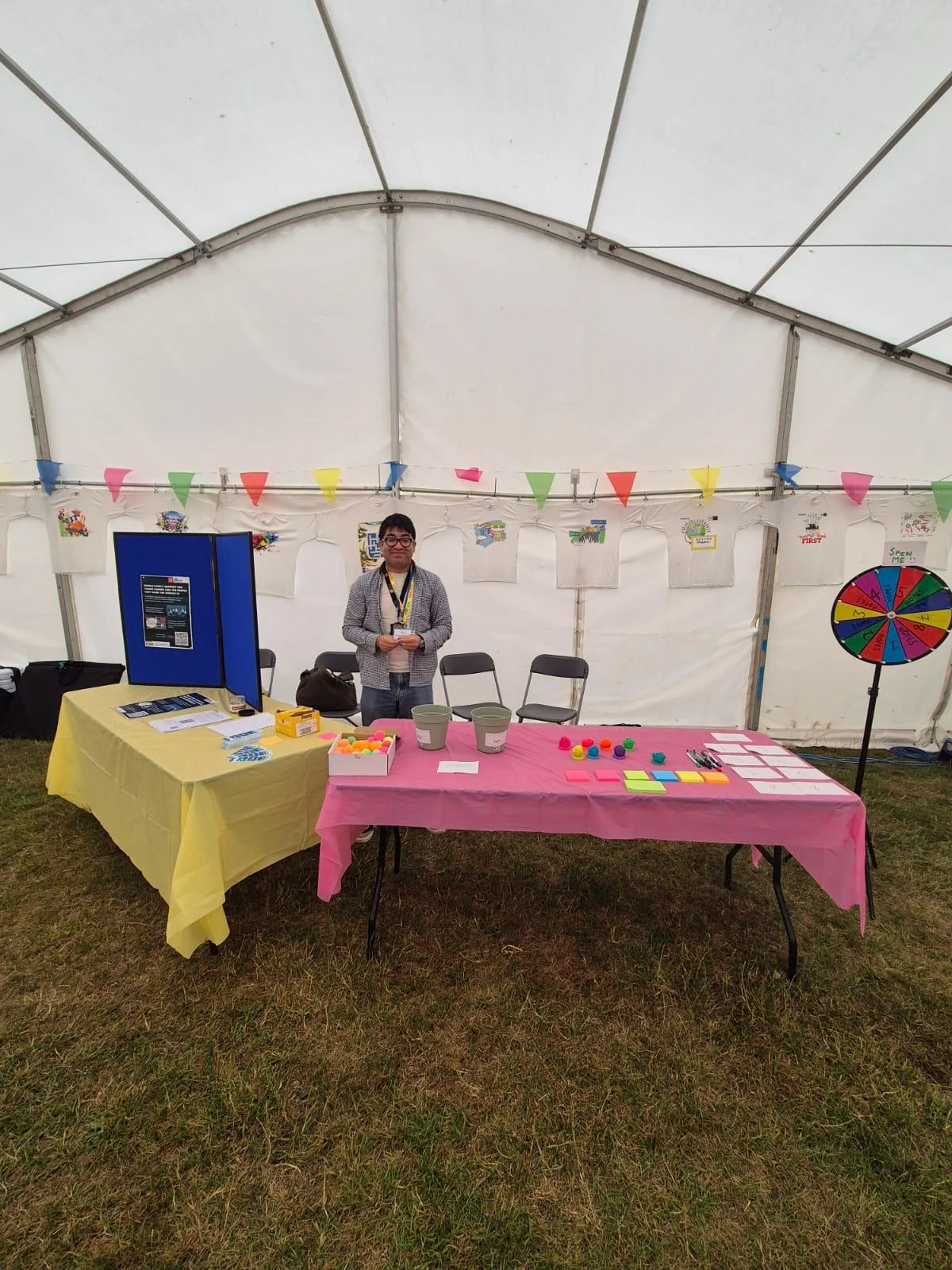
Young carers who took part were invited to anonymously share their responses on Post-it notes and add them to our poster boards. Alongside this, we ran a ping-pong activity where young carers were encouraged to toss a ping pong ball into either a ‘Yes’ or ‘No’ plant pot, responding to the question: ‘Does the help you receive consider everyone in your family who needs it?
Young carers were under no pressure to answer any question if they did not want to. They could simply spin again and choose what they wanted to answer or get creative with the playdough we provided at the stall.
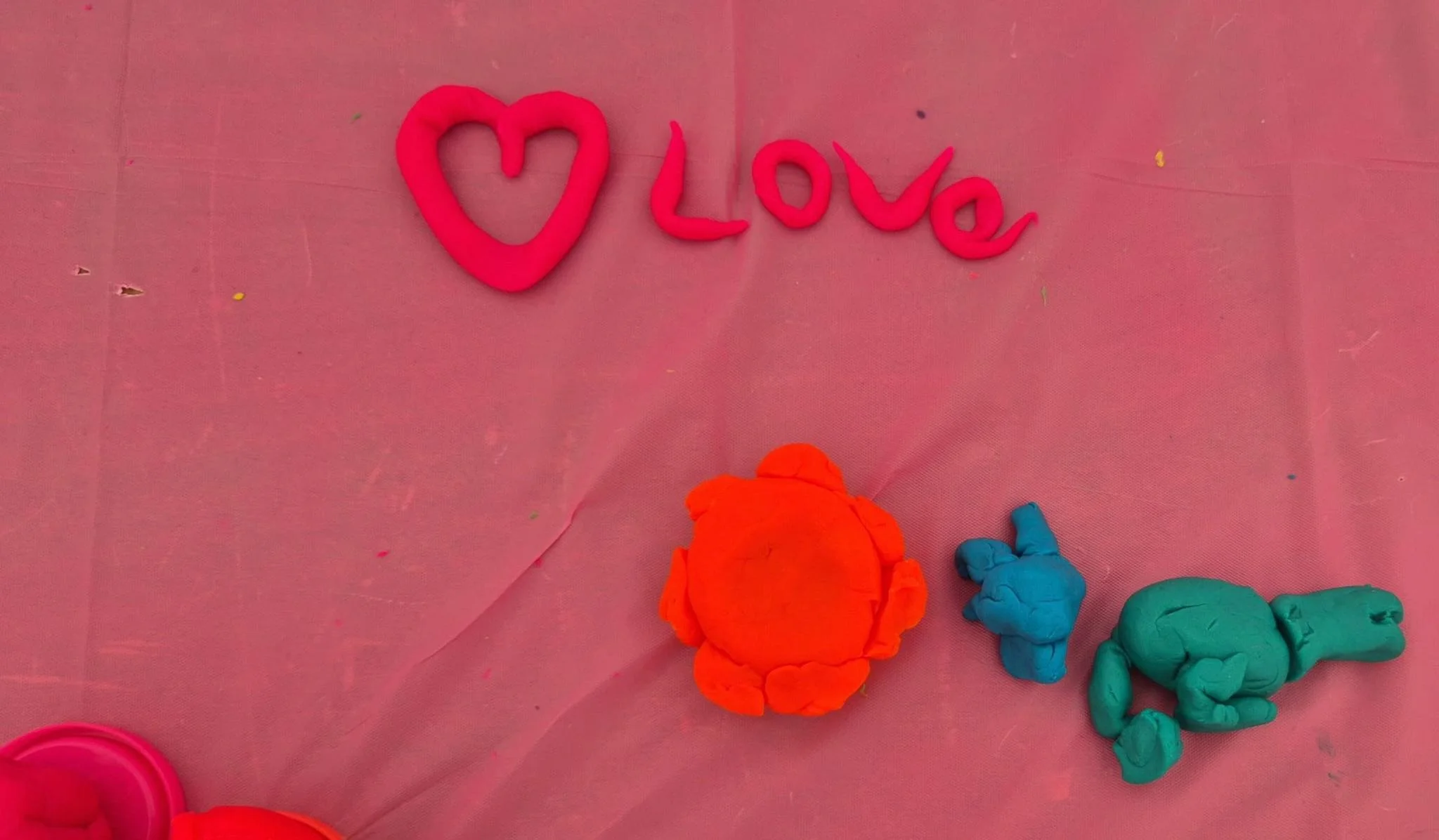
We were pleased to receive close to 100 responses from young carers who participated in our activities, which included the spin-the-wheel game, ping pong, and creative playdough sessions. The spin-the-wheel activity proved to be a particularly effective method for engaging young carers across a range of topics. As did the chocolates and bookmarks!
Young carers touched upon need for financial support for their families, better health and well-being for the person they care for, access to mental health support, school related assistance and support, and greater understanding from those looking to help them about their circumstances and needs. In addition to these thoughtful reflections, young carers responded to a few light-hearted questions with enthusiasm, sharing their dream pets, which ranged from sloths, ferrets, snakes, guinea pigs, cats, and dogs!
Separately, we also spoke to practitioners that attended our stall about the project, offering them a flyer to take part in our practitioner survey on tools/approaches used to identify, assess and put into place support for young carers.
Our experience participating in the festival, gave us the opportunity to meaningfully engage with young carers in an inclusive manner. We gained valuable insights that have been crucial in informing the next steps in the project. We want to thank all the young carers and practitioners that kindly visited our stall and took the time to generously share their thoughts with us. We hope to return next year, closer to the end of the project, to share our final findings.
If you are interested in hearing more about the REBIAS-II project, please visit our website or contact the project lead, Dr Nicola Brimblecombe: n.s.brimblecombe@lse.ac.uk