

Two LSE alumni appointed to Nepal’s new government
Two LSE alumni, Dr Swarnim Waglé (BSc Economics 1996) and Ms Prakriti Dhakal (MSc Global Health Policy 2025) have been appointed to new positions in Nepal’s government.
The country's 5 March general election took place after violent youth-led protests toppled the government last September. The Rastriya Swatantra Party won a clear majority in the election, marking the first time in decades that a single party has garnered a majority in Nepal.
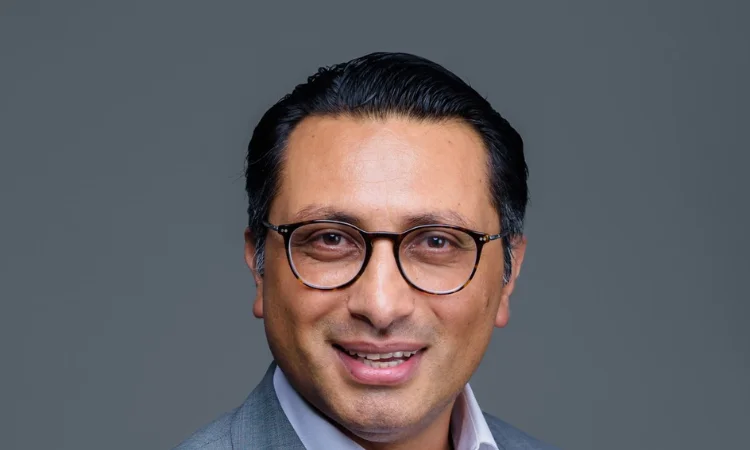
Dr Swarnim Waglé - Finance Minister
Dr Waglé, a BSc Economics alumnus, brings over 25 years of international economic expertise to the role. Before entering politics, he held senior positions at the World Bank and the United Nations Development Programme, where he served as Chief Economic Advisor for Asia-Pacific across 36 countries. He also served on Nepal's National Planning Commission, playing a key policy role in post-earthquake needs assessment and reconstruction planning.
Upon taking office on Friday 27 March 2026, Dr Waglé signalled an agenda focused on economic reform and efficiency in government. Plans include the repeal of 15 outdated laws, including provisions related to the Department of Revenue Investigation, with an emphasis on improving the investment climate and supporting private sector growth.
Professor Ronny Razin, Head of the Department of Economics at LSE, said: "Dr Waglé's appointment as Finance Minister of Nepal reflects the kind of impact that LSE economics graduates go on to have in public life around the world. His career, spanning international development, economic policy and now government, is a strong example of economics applied to real and pressing challenges. We wish him well in the role."
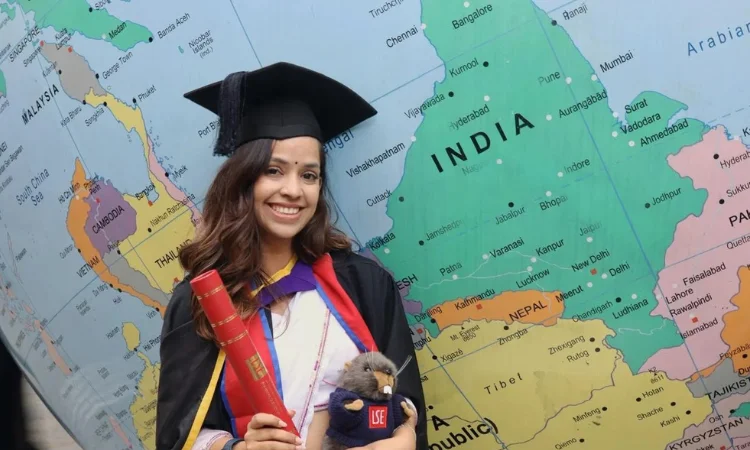
Prakriti Dhakal – Under Secretary at the Office of the Prime Minister
Ms Dhakal was appointed Under Secretary at the Office of the Prime Minister, Balendra Shah. An MSc Global Health Policy programme alumna, she previously served as Executive Director for a social enterprise focused on health literacy, community empowerment and youth engagement across South and Central Asia.
Commenting on the appointment, Dhakal said: “LSE gave me a rigorous foundation not just in health policy, but in how to think about governance, evidence, and reform. That preparation has proven invaluable as I now work at the Office of the Prime Minister, translating policy into delivery at the heart of Nepal’s government. I am deeply grateful to my professors, classmates, and the LSE team who helped me find the confidence to say: yes, I can lead. I hope my journey encourages more young people, especially young women, to step into public leadership roles, wherever they are in the world.”
Professor Andrew Street, Head of Department of Health Policy at LSE, said: "It’s incredibly rewarding to see our alumni taking forward the knowledge and perspectives developed through their time with us into roles that shape health systems and public life."
This article was originally published 2 April 2026 but was since updated to reflect a change in the makeup of the government.