

In memoriam
In memory of Professor Tim Allen
It is with great sadness that the Firoz Lalji Institute for Africa must announce the passing of Professor Tim Allen.
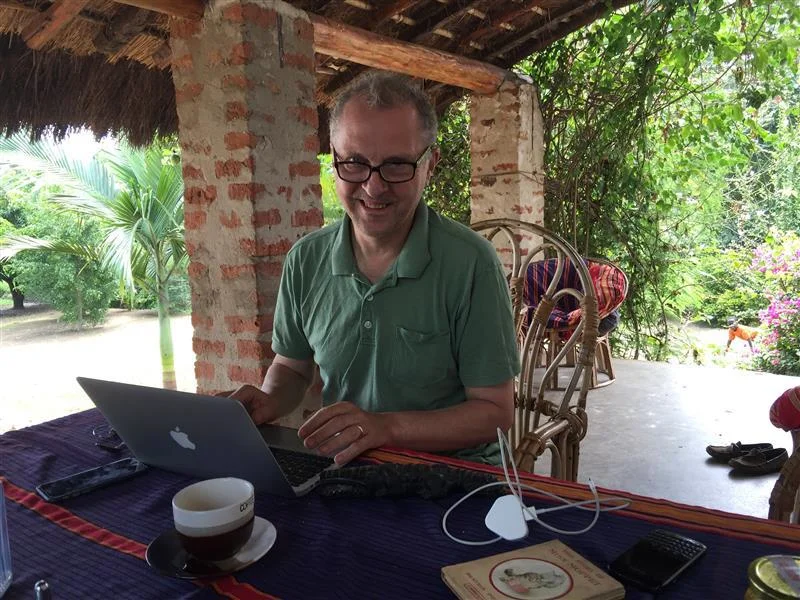
Tim was the inaugural director of the Institute and a professor in Development Anthropology in the Department of International Development at LSE. A pioneer in his field, he conducted extensive ethnographic research across East Africa and published and taught on tropical diseases, epidemics, transitional justice, humanitarianism, refugees, witchcraft, and public authority.
Tim was a Principal Investigator of the Justice and Security Research Programme and the Centre for Public Authority and International Development. These trailblazing global research consortia explored often hidden governance dynamics in overlooked places, challenged received wisdom, and shaped policy.
Tim worked closely with his wife, Professor Melissa Parker, and their influential work on neglected tropical diseases, epidemics, and pandemics interrogated received doctrine about how diseases are understood and controlled across Africa.
In 2006, he published the seminal book Trial Justice, which examined the controversy around the International Criminal Court’s first arrest warrants in northern Uganda. Tim later served as an expert witness for the ICC prosecution during the trial of Dominic Ongwen. His intellectual commitment to northern Uganda never faltered. Later in his career, he published Lawino’s People: The Acholi of Uganda, based on the DPhil thesis of Okot p’Bitek, the celebrated Acholi writer, poet, and anthropologist. Tim found p’Bitek’s DPhil thesis in Oxford’s Library for Social and Cultural Anthropology and believed it to be a seminal work that deserved wider attention.
Tim was a firm believer in placing Africa at the heart of the LSE and was a proud advocate of the School’s engagement with the continent. He would regularly remind colleagues of the African leaders who have studied here and was a champion for future generations through initiatives such as the Programme for African Leadership. Among his many contributions, he was instrumental in creating a chair in African Development to support research and teaching from an African perspective, and he helped launch the Africa Summit in 2014 to serve as a platform for dialogue and exchange. He was the driving force behind the foundation of the Firoz Lalji Institute for Africa, which has secured an enduring institutional commitment to African research, scholarship, and leadership at LSE.
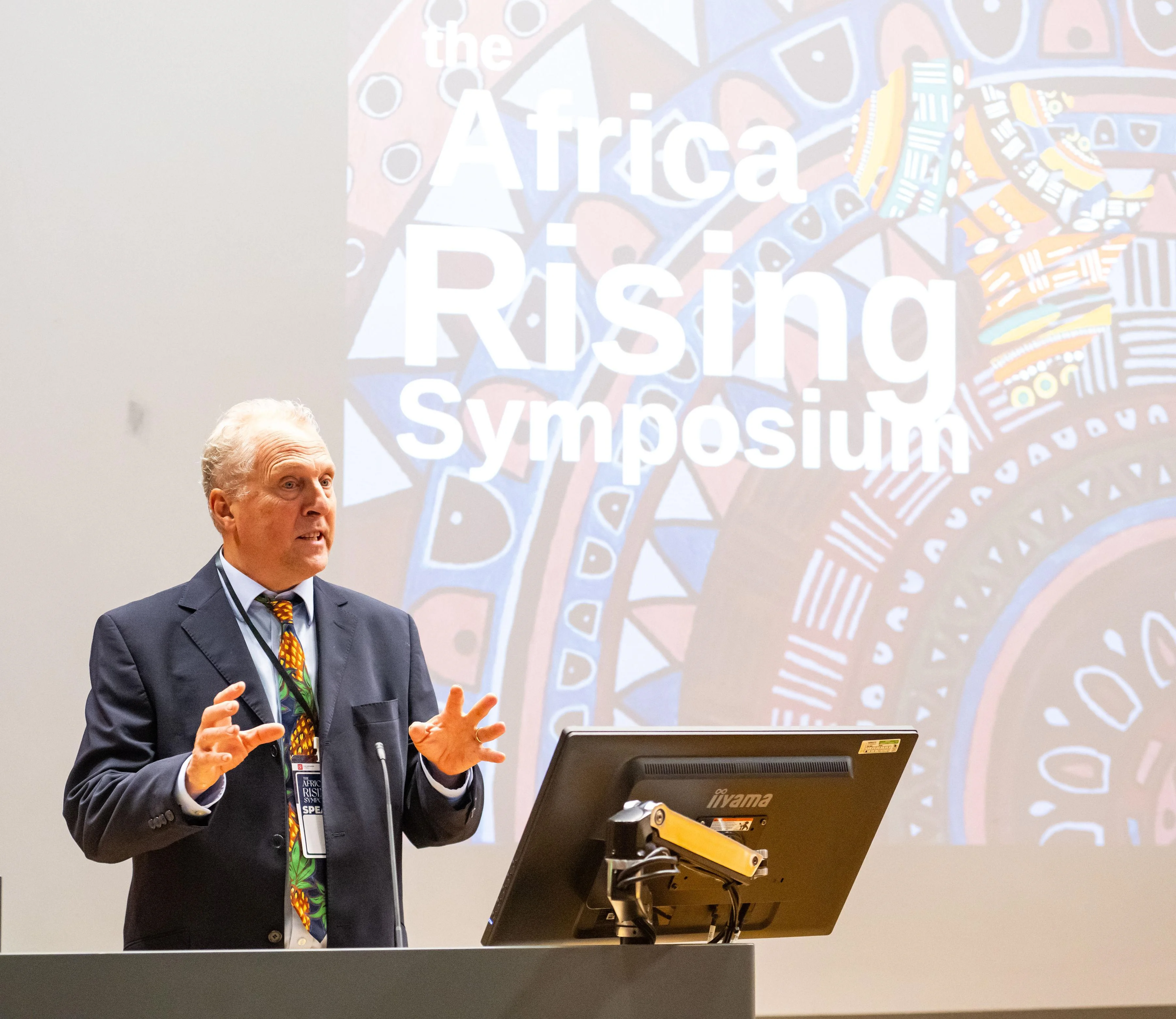
As a PhD supervisor, he was always on hand for students with words of advice when things seemed too much or fieldwork hit a brick wall. He took pride in the wide range of topics and students he successfully guided to completion. Tim's openness to different ways of seeing the world was inspiring for many and proved invaluable when building multidisciplinary teams able to produce research at the highest levels.
When in his company, he always made you feel he had time for you. Tim was particularly supportive of researchers with young families, and in this, he led by example. He and Melissa took their children to northern Uganda on fieldwork trips, and his infectious enthusiasm for adventure and his total commitment to family life meant that he always believed the two could be combined. This was transformative for many colleagues, particularly women, who might otherwise have felt that starting a family would mean the end of long-term fieldwork.
He was well-known and much loved in northern Uganda, where he and Melissa had worked for decades. Tim never tired of fieldwork and always prioritised it and the people he was working with. In his work, this is where he was happiest and most energised.
Tim knew how to live a meaningful life and managed to combine affection, warmth, seriousness, mischievousness, and humour in all of his interactions. He treated people as individuals and equals regardless of their status, and he found something interesting in everyone and every discussion.
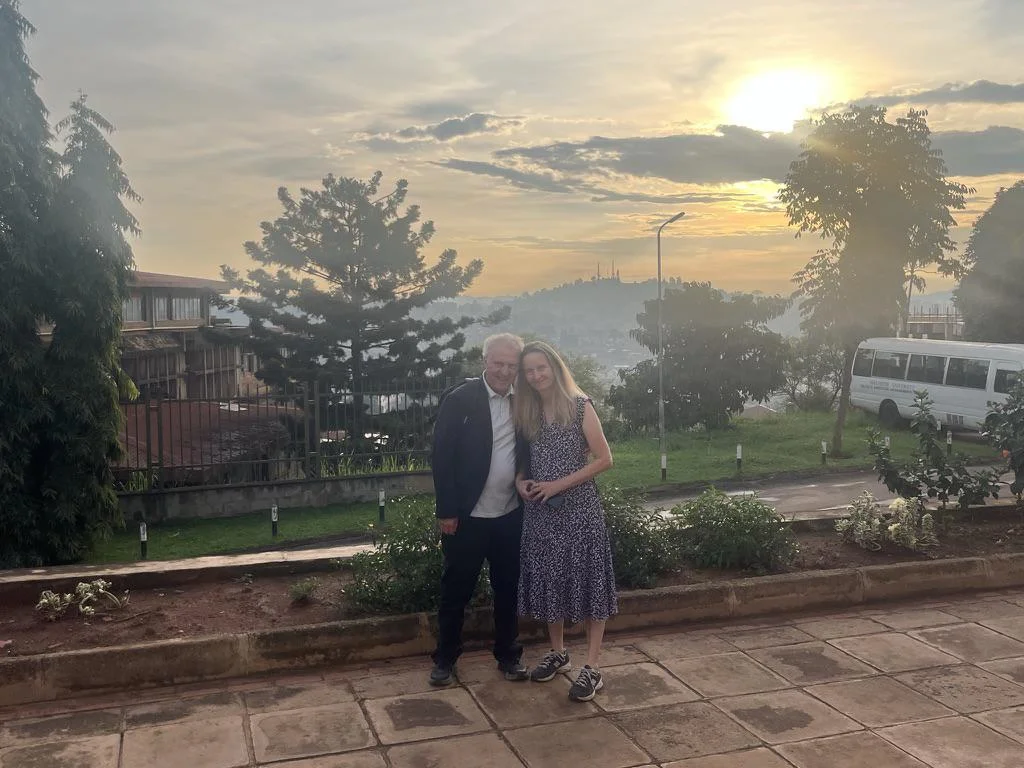
Tim was a polymath who wore his knowledge lightly. He had a professorial understanding of anthropology, development, and political economy. But he would regularly dazzle colleagues with his encyclopaedic knowledge of music from opera to Korean pop. He was a talented painter, loved art, and was a serial marathon runner who raised money for the Anthony Nolan leukaemia charity, which helped him through his first battle with cancer.
He taught everyone at the Institute to take risks, to think big, to always carry a dose of scepticism, to “speak truth to power” and to do it all with care and joy.
His legacy will be the example he left: to be bold, brave, and warm; to nurture others, to insist that nothing is impossible, and to do it all with a clear vision and a deep joyfulness of spirit. And if anyone gives us a hard time for doing so, we should tell them to “eat dirt, dingbat.”
He leaves behind his beloved wife Melissa, his three adored children and two grandchildren, his FLIA family, and the hundreds of students, researchers, and academics with whom he worked.
A condolences page is available here for those who wish to share their memories of Tim, and we have a gallery of images of Tim shared with us by his colleagues.