

About us
Our Mission
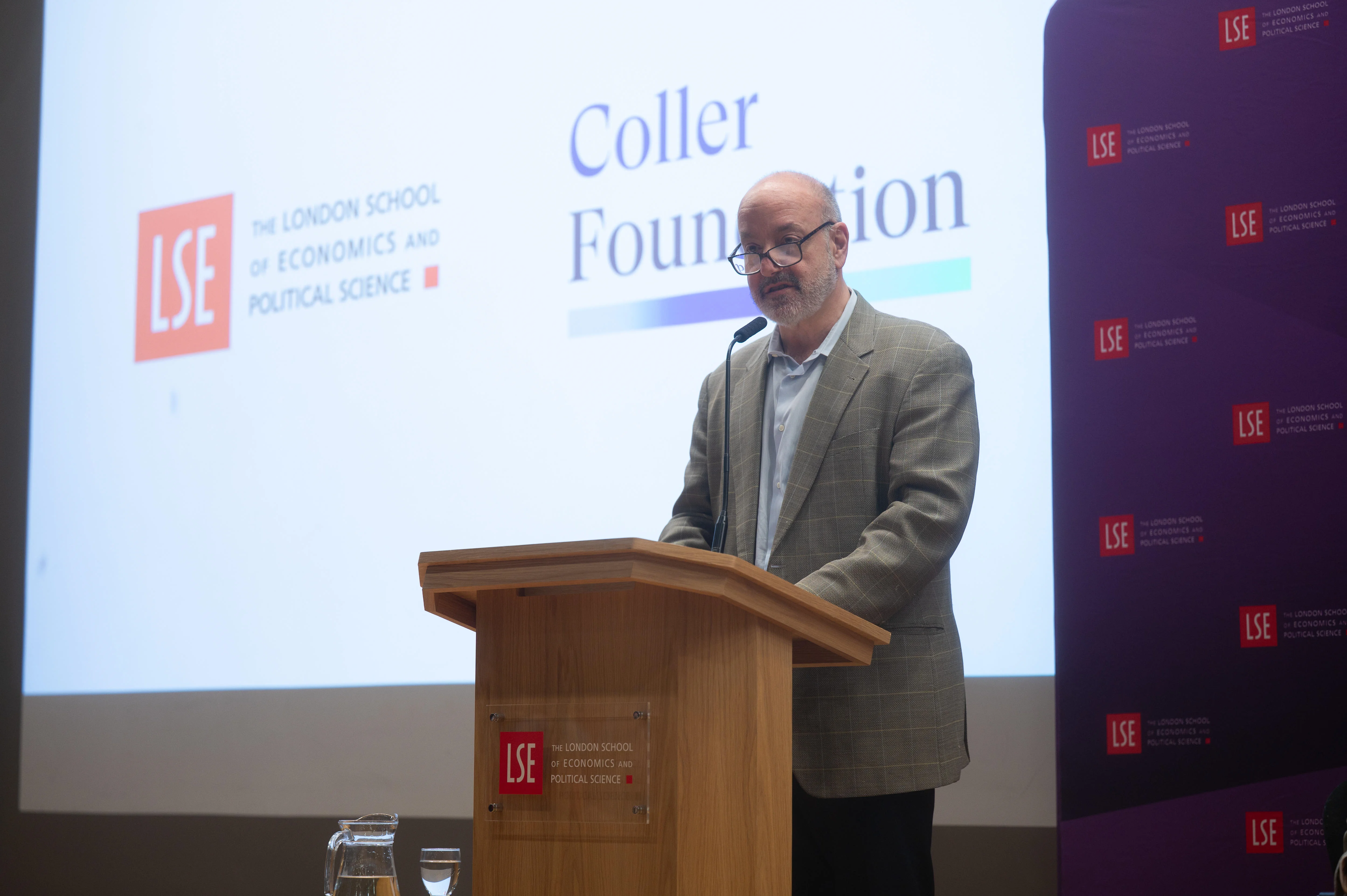
Launched in 2025 with generous support from the Jeremy Coller Foundation, the Jeremy Coller Centre for Animal Sentience aims to develop new approaches to studying the feelings of other animals scientifically - and to use the science of animal sentience to design better policies, laws and ways of caring for other animals.
Our mission is to remodel the way people see, think about, and relate to other species.
Who We Are
The Jeremy Coller Centre for Animal Sentience is an interdisciplinary research centre within the London School of Economics and Political Science, based in the Department of Philosophy, Logic and Scientific Method.
Our community includes experts in philosophy, veterinary medicine, behavioural science, artificial intelligence, environmental studies, law and policy. What unites us is not any single discipline or methodology, but a shared research programme and a shared commitment to producing research that benefits all sentient beings.
We work collaboratively with wide-ranging subject experts, decision-makers, NGOs and industry stakeholders to ensure that emerging insights into animal minds lead to meaningful, real‑world change. Our aim is to help shape future policy and practice, improving how society understands animal experiences, and support more ethical ways of living alongside other species.
History
The Centre builds on the Foundations of Animal Sentience (ASENT) project, which investigated how sentience can be identified and assessed across a wide range of species, with a particular focus on invertebrates.
The project established a rigorous evidence base, most notably through its contribution to the UK Government’s review of cephalopod molluscs and decapod crustaceans. This work helped to shape the Animal Welfare (Sentience) Act 2022 and extend recognition of sentience to species such as octopuses, crabs and lobsters.
Following this recognition, the UK Government’s Animal Welfare Strategy states an intention to end the practice of boiling live crustaceans. Globally, NGOs and researchers continue to use the evidence base on cephalopod and decapod sentience to inform public communication and policy debates, including debates about octopus farming.
We aim to build on these foundations and on wider developments in research on animal minds, feelings and capabilities, in order to identify ways of reducing avoidable harms.