

The London Consensus in the press

Catch up on the latest media coverage and expert commentary around The London Consensus.
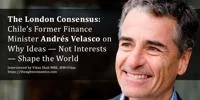
Perspectives from Thought Economics on The London Consensus:
In Thought Economics, Andrés Velasco, Dean of the School of Public Policy at LSE, discusses the ideas underpinning The London Consensus: Economic Principles for the 21st Century and the need for a new approach to economic policymaking. Reflecting on themes including wellbeing, political leadership, place-based policy and economic narratives, he argues that policymakers should be guided by principles rather than rigid prescriptions. The conversation also explores why political challenges, rather than technological ones, pose the greatest threat to progress, and how The London Consensus offers a framework for democratic leaders navigating an increasingly complex world.
Read the full interview on Thought Economics.

Analysis from The Business Times on The London Consensus
In The Business Times, Tim Besley and Andrés Velasco outline how The London Consensus: Economic Principles for the 21st Century offers a renewed framework for economic policymaking in response to rising populism and political uncertainty. They argue that while core principles such as low inflation, fiscal responsibility and openness remain important, a modern approach must also prioritise innovation, resilience, inclusion and the role of effective government. The piece highlights the need to integrate economic and political thinking, emphasising that sustainable growth and social cohesion depend on policies that reflect both technical insight and public legitimacy.
Read the full article on The Business Times.

Insights from the Yascha Mounk podcast on The London Consensus
On the Yascha Mounk podcast, Andrés Velasco, Dean of the School of Public Policy at LSE, discusses the risks facing the global economy amid rising geopolitical tensions and energy shocks. Reflecting on themes aligned with The London Consensus, Velasco explains why today’s energy crisis is unlikely to mirror the stagflation of the 1970s, pointing to stronger central banks and reduced dependence on oil. The conversation also explores emerging financial risks, including the potential for AI-driven market bubbles, and highlights the importance of resilient, well-governed economic policy in an era of uncertainty.
Listen to the full episode on the Yascha Mounk podcast.

Insights from London Business School on The London Consensus
London Business School explores how The London Consensus: Economic Principles for the 21st Century seeks to redefine economic policy for a fragmented and unpredictable world. Edited by Tim Besley, Irene Bucelli and Andrés Velasco, the book gathers insights from over 50 experts to offer evidence-based, politically aware guidance for policymakers. The article highlights LBS’s role in shaping the discussion and emphasises the framework’s focus on wellbeing, resilience and sustainable policy over GDP-driven growth.
Read the full article on London Business School.

Reflections from the Inside Economics podcast on The London Consensus
On the Inside Economics podcast, Andrés Velasco, Dean of the School of Public Policy at LSE, joins Gaurav Ganguly to unpack a week of global economic and political developments. Their discussion ranges from the geopolitical and market implications of the U.S. interest in Greenland and rising nationalism, to the role of income inequality in shaping elections. Drawing on The London Consensus, Velasco highlights alternative public policy approaches for navigating economic instability and growing political fragmentation.
Listen to the full episode of Inside Economics.

Perspectives from Mandag Morgen on The London Consensus
In Mandag Morgen, international economists and social scientists argue that traditional economic thinking has reached its limits, calling for a shift towards a wellbeing-focused economic model. The article explores how The London Consensus aims to move beyond more than three decades of orthodox, neoclassical policy associated with the Washington Consensus. Drawing on insights from Andrés Velasco of the London School of Economics, one of the book’s editors, it highlights a vision of an economy that prioritises citizen wellbeing alongside growth.
Read the full article in Mandag Morgen.
Insights from Central Banking on The London Consensus
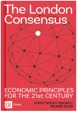
In Central Banking, Fred Bergsten reviews The London Consensus: Economic Principles for the 21st Century by Tim Besley, Irene Bucelli and Andrés Velasco. He situates the book in a period of weakened global policy agreement and growing economic uncertainty, outlining how the authors seek to move beyond the Washington Consensus with a renewed set of principles for modern economic policymaking. The article also reflects on the ambition of the project and the real-world challenges of translating these ideas into practice.
Read the full article on Central Banking.
‘The London Consensus’: Can this new economic consensus change the world?
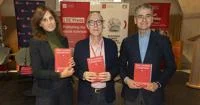
In Scroll, Rishi Majumder explores how 55 economists from around the world collaborated at the London School of Economics to develop The London Consensus: Economic Principles for the 21st Century. Edited by Tim Besley, Irene Bucelli, and Andrés Velasco, the book offers a new framework for economic policymaking that goes beyond the limitations of the Washington Consensus, emphasising collaboration between governments and markets, fiscal prudence, and the role of institutions in shaping sustainable growth.
Read the full article on Scroll.

The legacy of neoliberalism in Handelsblatt
In Handelsblatt, Rainer Hank examines the lasting impact of the Washington Consensus, acknowledging its successes in boosting wealth and reducing inequality between countries while also highlighting its role in financial crises and social upheaval. Drawing on The London Consensus, he argues that the new collection of essays offers a more nuanced framework for the 21st century, advocating a stronger regulatory role for the state to promote competition, innovation, and sustainable growth.
Read the full article in Handelsblatt.

A London Economic Consensus? VoxTalks Economics
In this episode of the VoxTalks Economics podcast, Andrés Velasco and Tim Besley, editors of The London Consensus, discuss why the book was created and how its ideas can help policymakers navigate today’s most pressing economic challenges. Joining host Tim Phillips at the London School of Economics, they reflect on the lessons of past policy paradigms and consider whether a new economic consensus can avoid repeating earlier mistakes.
Listen to the full episode on VoxTalks Economics.

Three Cheers for the London Consensus
In a recent Project Syndicate article, Anne-Marie Slaughter examines the London Consensus as a timely alternative to the Washington Consensus. She argues that, unlike earlier approaches that prioritised austerity and assumed politics away, the London Consensus recognises the central role of politics, institutions and democratic legitimacy in economic policymaking, offering a more realistic and humane framework for development.
Read the full article on Project Syndicate.

Rethinking Fiscal Policy with the London Consensus
In a recent IMF article, Talal Rafi explores the London Consensus as a fresh approach to fiscal policy that builds on the Washington Consensus. The piece emphasises fiscal activism and the role of strong institutions, with governments acting as market stabilisers during crises while managing debt prudently. It also highlights the potential of these ideas to strengthen economic resilience, while noting practical challenges, particularly for developing countries.
Read the full article on IMF.

Andrés Velasco on Chile and The London Consensus
Andrés Velasco, Dean of LSE’s School of Public Policy, reflects in El Economista on The London Consensus and Chile’s polarised political landscape, stressing the role of the state in supporting growth and the importance of strong institutions.
Read the full article in El Economista.

The London Consensus in The New Yorker
In The New Yorker’s Financial Page, John Cassidy examines how The London Consensus sets out a renewed framework for economic policy in a time of inequality, populism, and political uncertainty. He explores how the book responds to changing debates within the economics profession and the need for more pragmatic, future-focused solutions.
Read the full article in The New Yorker.

Insights from Project Syndicate on the London Consensus
In their latest Project Syndicate article, Tim Besley and Andrés Velasco outline a new economic playbook for policymakers. Moving beyond the Washington Consensus, they argue that growth today requires innovation, good jobs, gender equality, climate stability, and strong, capable governments. The London Consensus emphasizes the link between economics and politics, highlighting how inclusive, place-based policies and effective institutions can help counter populism and support sustainable prosperity.
Read the full article on Project Syndicate.

A New Economic Consensus in the Financial Times
In the Financial Times, Martin Sandbu examines the challenge of building a coherent economic alternative to Trumponomics. He explores efforts by politicians, policymakers and economists including the London Consensus to create policies that combine economic openness, state capacity and inclusive growth while remaining politically viable. Sandbu highlights the complexities of translating evidence-based principles into strategies that can gain public support.
Read the full article on the Financial Times.

Reflections from Northeast Bylines with Peter Sagar
In Northeast Bylines, Peter Sagar discusses how The London Consensus offers a new framework for judging progress, moving beyond GDP and income growth to focus on fairness, inclusion and collective well-being. Drawing on insights from editors Tim Besley, Irene Bucelli and Andrés Velasco, he highlights how the Consensus responds to the failures of neoliberalism and sets out guiding principles for a more equal and sustainable global economy.
Read the full article on Northeast Bylines: A new economic and social model for the world

The Guardian’s Phillip Inman on The London Consensus
Phillip Inman presents The London Consensus as a timely and ambitious alternative to rising isolationism. He highlights its call for fairer, greener growth, its challenge to widening inequality, and its argument that wellbeing and inclusive productivity should sit at the heart of economic progress.
Read the full article in The Guardian.

Andrés Velasco on the Keen On America podcast
Appearing on the Keen On America podcast, Andrés Velasco discusses what he calls the “Deliveroo effect” — the way instant digital expectations are clashing with the slower, deliberative nature of democracy. He highlights how The London Consensus argues for putting politics at the centre of economic thinking, strengthening the role of capable states alongside markets, and prioritising good jobs and shared prosperity.
Listen to the full episode on the Keen On America podcast.
Interview with Bloomberg en Español featuring Andrés Velasco
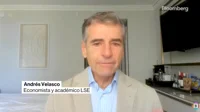
On Bloomberg en Español, Andrés Velasco discusses how The London Consensus sets out core principles rather than universal policy prescriptions, emphasising belonging, regional inclusion, resilient and sustainable growth, political legitimacy and the importance of a capable state. He explains that the goal is to “partir con una cabeza abierta”, keeping what still works while updating economic thinking for today’s challenges.
Watch the full Bloomberg en Español interview on YouTube.

Feature in Business Today with Andrés Velasco
Andrés Velasco, Dean of LSE’s School of Public Policy, argues that tariffs are not the answer to US job concerns, describing them as politically driven and economically unsound. Citing The London Consensus, he stresses that global trade and cooperation remain vital for shared prosperity and that India’s future growth will likely be led by its dynamic services sector.
Read the full article in Business Today or watch the interview on Youtube.

Insights from LSE Review of Books on The London Consensus
In LSE Review of Books, Managing Editor Anna D’Alton interviews editors Tim Besley, Irene Bucelli and Andrés Velasco about The London Consensus: Economic Principles for the 21st Century. They reflect on how thinking has shifted since the Washington Consensus, the importance of democratic institutions, and the growing focus on place-based policy and managing globalisation. The discussion explores whether a new set of shared economic principles is emerging for today’s world.
Read the full interview on LSE Review of Books.

Reflections from Moneycontrol with Andrés Velasco
In Moneycontrol, Andrés Velasco, Dean of LSE’s School of Public Policy, highlights India’s democratic institutions and services-led growth as key to global stability. Drawing on The London Consensus, he argues that emerging economies should deepen trade among themselves and that sustained growth will come from innovation, openness and collaboration across democracies.
Read the full article in Moneycontrol.