

Persuasion and Attitude Change: a Q&A with Sayeh Yousefi
Persuasion and Attitude Change
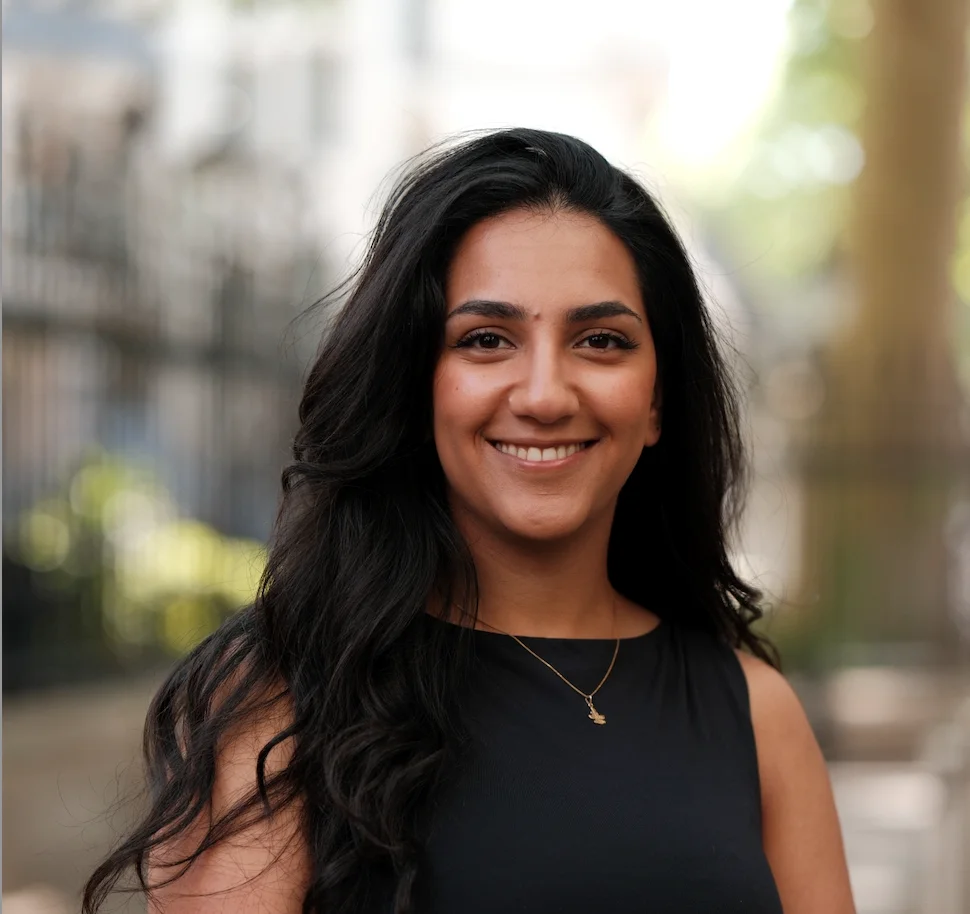
Sayeh Yousefi is a PhD candidate in the Department of Psychological and Behavioural Science
It seems like people are growingly unyielding or unwilling to change in their political attitudes, and I hope to find out if attitudes are as entrenched as they seem, and if they can be changed, how that change happens.
What are you currently researching?
I’m currently researching how AI can influence people's political attitudes. I’m interested in how AI is a new source of political information, and I’m exploring the potential harms and benefits of this as an emerging technology.
More broadly, my research looks at how people change their minds about politically salient issues – things like immigration and vaccines. I’ve focused on two elements of attitude change so far, one is the role of argument style. This has looked at how the way we communicate information (things like emotional tone, use of statistics, etc.) can influence the way the argument is received and its persuasiveness. I’ve also looked at the role of prior beliefs, and how they influence the way a person receives and responds to new pieces of evidence.
Why did you choose this area of study?
I used to be a journalist, and I’ve always been really interested in how the ways we communicate information can influence attitudes. This brought me to researching communication and attitude change, where I started by looking at how argument styles may influence the persuasiveness of a message. It seems like people are growingly unyielding or unwilling to change in their political attitudes, and I hope to find out if attitudes are as entrenched as they seem, and if they can be changed, how that change happens.
How will your research have a wider impact on society? Can you give some real-world examples of the impact your research will have?
My research on AI’s persuasive capacities can help inform how we think about AI’s role in politics and society. It will also help us better understand how AI may be influencing our political attitudes and behaviours. This research can also raise awareness around potential malicious uses of AI, and how these tools can be used to spread disinformation if they fall into the wrong hands.
Otherwise, my research on attitude change can have important implications for fighting misinformation, especially in trying to correct peoples’ inaccurate beliefs. This also has impacts on areas like vaccine hesitancy, where the way that we communicate about the issue can directly influence people's behaviours.
What have been the highlights of your research work so far?
The collaborations have been some of my main highlights. Within academia, you learn so much from working with other academics and it’s such an enriching experience learning about the work other people do, the methods they work with, and how they see the world.
Outside of academia, I think the most learning I’ve done has been through working with practitioners and organisations that do the applied work I research. I’ve learned so much about the importance of genuine academic-practice partnerships, how important it is to make research accessible, and why we should be striving towards more collaborations with practitioners as academics.
What has been your biggest challenge so far?
Working in research doesn’t always feel very concrete – you don’t have a strict schedule, you’re often most accountable to yourself, and it can be hard to feel like you’re progressing sometimes, because of how long things can take to get published or disseminated. I definitely struggle with the idea that I’m my own boss and have to be accountable to myself, but having some accountability partners has definitely helped!
What advice would you give to prospective students on the most effective way to approach research and keep stress levels down?
Don’t approach research as a solo endeavour. Reach out to colleagues and peers for help, advice, or just some casual chats! Having a strong community is such an important part of doing a PhD, because it can otherwise be a very lonely experience which just compounds the stress. Having people around who you can go to for research advice or general support is one of the most important things you can do to make the PhD experience go smoothly.
In a few words, what is the best thing about studying at LSE?
The people! There’s such a diverse, interesting, and intellectually curious community at LSE that I am really fortunate to have been able to experience. It’s made even more special by the fact that people are generally very friendly and open to chatting, so reaching out to anyone whose research you find interesting is made much easier.