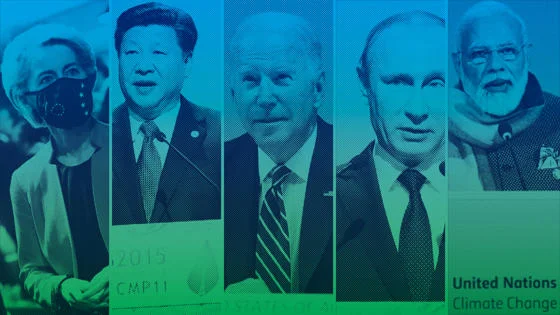


There is no planet B: tackling climate change demands a sustainable, inclusive recovery from COVID-19
Wednesday 27 October 2021
1 min read
Adelina Comas-Herrera, Aaron Reeves, Alex Mayhew

Over the last year LSE's Shaping the Post-COVID World initiative has explored the direction the world could, and should, be taking after the pandemic. In this first special summary piece, Bob Ward of LSE's Grantham Research Institute on Climate and the Environment looks back over the last year of discussions and, on the eve of COP26, sets out the actions governments must take now to ensure sustainable growth.
In this Shaping the Post-COVID World special summary piece, Bob Ward of LSE's Grantham Research Institute on Climate and the Environment looks back over the last year of discussions and, on the eve of COP26, sets out the actions governments must take now to ensure sustainable growth.
Read a plain text version on the LSE COVID-19 blog.
Subscribe to LSE Research for the World

Adelina Comas-Herrera
Assistant Professorial Research Fellow; GOLTC Director
Care Policy and Evaluation Centre (CPEC)


Related content
Coronavirus must be a lesson on how we respond to climate change
15 January 2021 · Dr Rebecca Elliott

How can we help vulnerable people to adapt to climate change?
15 March 2022 · Declan Conway, Kate Gannon, Timo Leiter, Sara Mehryar, Dr Joana Setzer, Professor Swenja Surminski
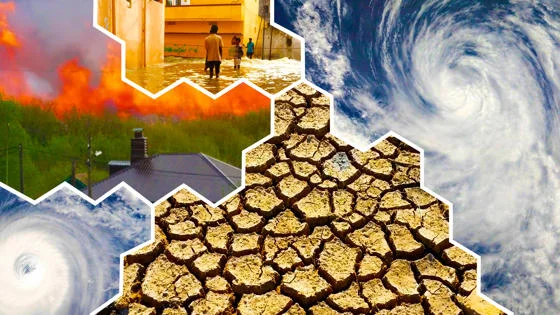
What is the role of great powers in the international politics of climate change?
15 March 2022 · Professor Robert Falkner