

Working more hours than desired linked to poorer mental health, according to new research
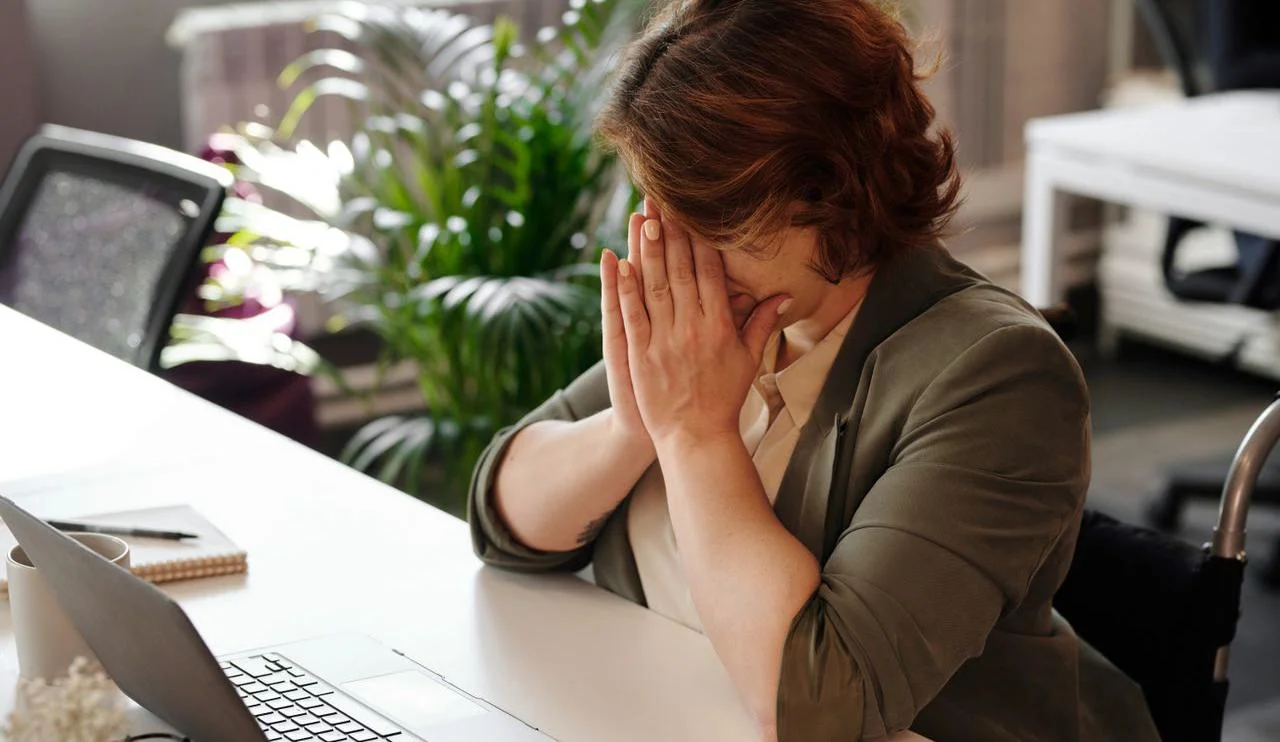
A recent study by PBS researchers, 'Do people get used to working long hours?', published in Social Science & Medicine, explored whether overemployment, that is, working more hours than desired, is associated with poorer wellbeing and health outcomes.
Christian Krekel, Tim Kremser and Georgios Melios used German panel data from more than 43,000 individuals to investigate whether people who worked more than they wanted to experienced worse health outcomes. They found that overemployment was associated with a substantial decline in mental health. Rather than people adapting to these effects over time, the negative associations intensified and persisted. People who worked more hours than they wanted to also reported lower life satisfaction overall. Associations with physical health were smaller and less consistent
These findings have important implications for working time regulations and workplace wellbeing and health policies.
Dr Krekel said of the findings: "Far from getting used to working overly long hours, people feel worse the longer it lasts."
Krekel, C., Kremser, T., & Melios, G. (2026). Do people get used to working long hours? Social Science & Medicine, 404, 119482. https://doi.org/10.1016/j.socscimed.2026.119482