

Mike Cerillo
MSc Organisational and Social Psychology
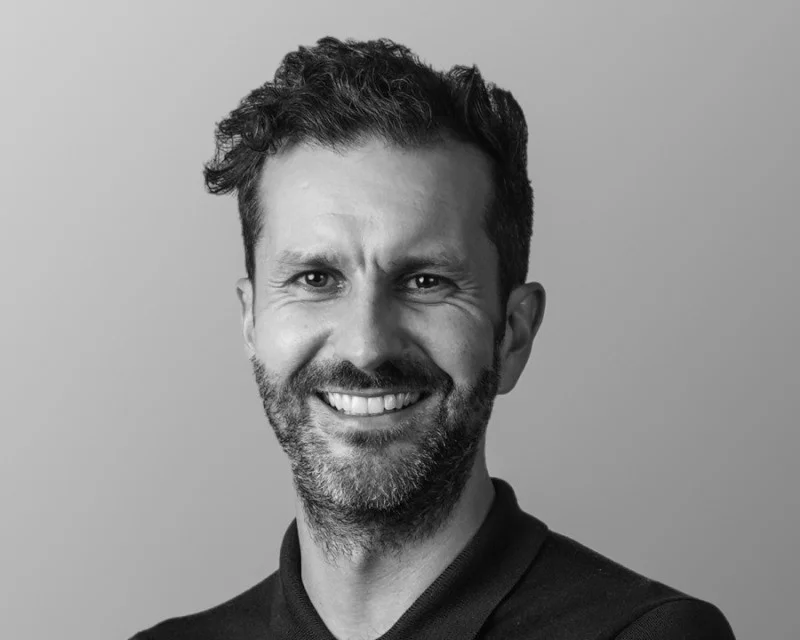
Meet Mike Cerillo, a 2023 graduate of the MSc Organisational and Social Psychology and co-founder of organisational psychology consultancy Sway.
Returning to study after nearly 20 years was a shock but the content immediately felt relevant and exciting because almost every concept connected to something I had experienced in organisations personally.
What made you choose the MSc in Organisational and Social Psychology at LSE, and what ultimately made it the right programme for you?
Before joining LSE, I had spent over a decade helping to build a startup in the Financial Crime prevention space and I applied to LSE as a direct result of my experiences from our scaling journey. Over time I had become frustrated and fascinated by the unintended consequences of growth, first as a member of a young leadership team living through success and scale, but then also as a witness to the integration failures I saw once we had been acquired. I began to form some strong views about how leaders should navigate change, and so I decided that I wanted to learn more about the psychological and behavioural dynamics behind organisations so that I could be a more rounded and persuasive leader in my future career.
LSE’s MSc in Organisational and Social Psychology stood out because it felt like a truly contemporary course, with a focus not only on organisational theory but how that plays out in real world organisational settings. I was lucky enough to have a conversation with a professor at LSE in advance of the course. He had given up a successful career in financial markets to try and bring the rigour of research into the practical and messy world of work, and that just had a lot of parallels with what I wanted to do. Given the reputation of the organisation and the course I didn’t apply anywhere else after that.
You had already built a successful career before joining the programme. How did your professional experience shape your approach to studying at LSE?
Returning to study after nearly 20 years was a shock but the content immediately felt relevant and exciting because almost every concept connected to something I had experienced in organisations personally, whether it was about leadership dynamics, organisational identity, or culture. I quickly realised that the broad ideas that I had come into the course with were influenced by a myriad of interconnected psychological tendencies, not just of individuals, but of groups and leaders and environments and trends. As a mature student with a job and a young family as well, I also felt like my professional experience enabled me to understand how to manage my expectations. I was able to stay focused on personal objectives regarding academic learning and the opportunities that this level of education was setting me up for.
Since graduating, you’ve launched your own business. Could you talk us through that journey - what inspired it, how has it evolved so far, and where do you see it going?
On the course I met another student, Marina, who had similar views on the challenges that come from organisational success. This sowed the seed for starting a company to help organisations grow better, and we have since joined up with another LSE alumni from a subsequent cohort, Liv, to build Sway. We all share the same convictions about how to build capacity at an individual and collective level in critical growth moments, but have complementary perspectives given our C-Suite experience in Sales, People, and Operations respectively. We are also very ROI driven; it’s common for the social sciences to be seen as people-oriented for the sake of wellbeing or fairness, but we care about proving how psychology-backed initiatives drive performance and enterprise value without compromising employee motivation.
It definitely hasn’t been plain sailing to start a consultancy from scratch with challenging market forces, but we have done really well and worked with over 20 organisations in our first two years. The biggest thing we have learnt is the importance of anchoring what we do to business outcomes and making it easier for our customers to know what they are buying, so in fact we now offer three core product offerings including a tech-enabled platform for capturing real-time workforce insights.
In terms of where it’s going, we don’t focus on that too much but it’s fair to say that we are excited about recent traction and we are considering options around how to scale. We care a lot about organisational health so the way we grow and the working environment we create for ourselves and the team will be prioritised.
What is your fondest memory of your time in the Department of Psychological and Behavioural Science, whether inside or outside the classroom?
The organisational life module run by Dr Barry Rogers hit the sweet spot of applied thinking that I was after and he used to bring his wife’s banana bread to accompany his early morning sessions. They were very inclusive and felt very relevant; we would discuss what was in the news regarding organisational behaviour and leadership decisions, what that meant for the time we were living in and how that might shape the future of work. I felt most validated and grateful for the decision I had taken to return to study in those sessions because I could tell we were all “levelling up” our ability to have an impact in the real world in some way.
What top tips would you share with incoming students, particularly those returning to study mid-career or considering a career pivot?
Remember to give yourself credit for the decision you’ve made and forgive yourself for what might feel like the indulgence of learning something new and not knowing exactly where it will go. The people you meet and the change of direction don’t immediately offer certain rewards, and I worried about that at times, but I can say now that it has enabled a step change regarding how energised I feel about work every single day. There’s also a wealth of support across the whole faculty that I would encourage people to seek out as early as possible. And embrace the excellent views of the young!
If you're a PBS alum and would like to share your experience, please get in touch at pbs.alumni@lse.ac.uk.