
New research shows malaria drug R&D delivers 13-fold return on health benefits
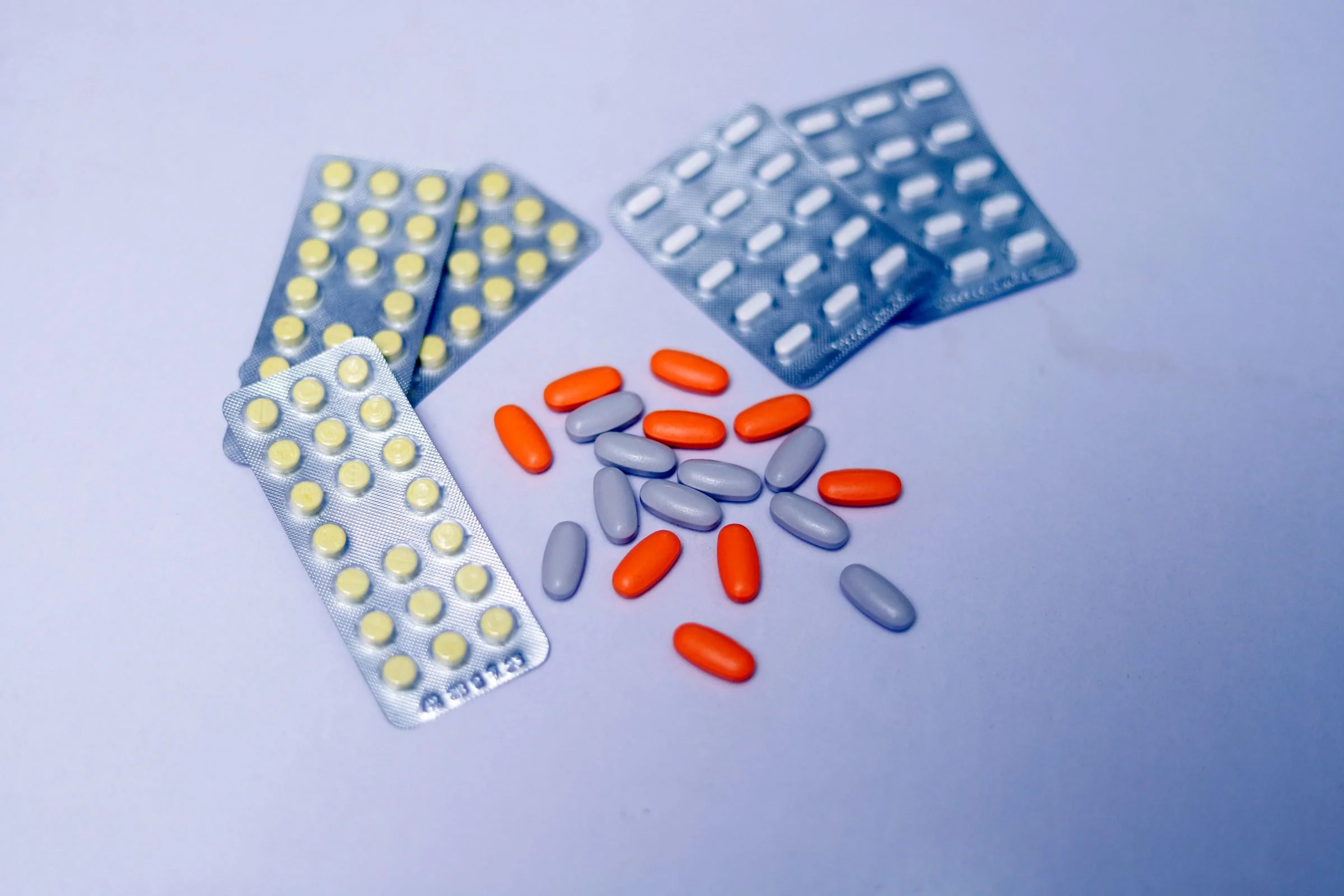
Research published in The Lancet Global Health reveals that strategic investment in antimalarial drug research delivers substantial and sustained health benefits, with every dollar invested yielding a 13-fold return to society.
The study, conducted in collaboration with Medicines for Malaria Venture (MMV), Imperial College London, Cambridge Economic Policy Associates, and the UK Foreign, Commonwealth and Development Office (FCDO), provides the first comprehensive economic evaluation of a product development partnership's return on investment in the fight against malaria.
Published on 16 February 2026, the research examined MMV's research and development work between 2000 and 2023, assessing both the financial impact and real-world reach of MMV-supported antimalarial products across 36 countries. The findings offer important insights into how pooled donor investments in global health can generate measurable, long-term returns.
Dr Lesong Conteh, Associate Professorial Research Fellow at LSE Health and the study's corresponding author, emphasised the significance of the results: "This analysis demonstrates that funds invested in MMV are working extraordinarily hard. Every dollar produces outsized and sustained benefits for malaria-affected regions. In a constrained funding environment, identifying investments that consistently deliver is critical."
The research team used two key financial metrics to evaluate the investment. The benefit-cost ratio assessed whether health benefits justified the investment, while the internal rate of return measured annual returns over time. The findings showed that for every dollar invested in MMV between 2000 and 2023, approximately $13 was returned to society in health benefits. Additionally, each dollar invested delivered an annual return of 52%, substantially exceeding the 6-8% typically expected from UK government public investments.
Between 2000 and 2023, MMV-supported products contributed to averting approximately 1.6 million deaths and restoring nearly 87 million healthy life years across 36 high-burden countries. The analysis used conservative assumptions and real-world data, including the costs of both successful and unsuccessful drug development efforts.
Despite progress in antimalarial drug development, malaria remains a significant global health burden. The World Health Organization reported 282 million cases and 610,000 deaths from malaria in 2024, representing a slight increase from the previous year. The emergence of drug resistance in Africa adds further urgency to continued investment in research and development.
The study's findings suggest that sustained investment in product development partnerships represents an efficient use of donor and public funds, generating returns that benefit both endemic countries and the broader global health architecture.
The full study, 'Measuring the impact of global research and development investment in product development partnerships: a case study on return on investment in antimalarial drug development,' is now available in The Lancet Global Health.