

Alumni Stories

Where Mathematics Can Take You
Hear from our alumni and discover how their time at LSE shaped their careers and ambitions
Dara Bahour
I chose Mathematics & Economics because I wanted to combine rigorous mathematical thinking with real-world economic challenges. The programme gave me exactly that, allowing me to develop strong analytical skills while applying them to a wide range of economic questions.
One of the strengths of the degree is its structure. The first year provides a solid foundation in mathematics, statistics and economics, before progressing to more specialised topics such as econometrics, behavioural economics and advanced modelling. The flexibility of the programme allowed me to explore the areas that interested me most.
The Department also offers a supportive and challenging learning environment. Learning from leading academics and having access to a wide range of resources helped me make the most of my time at LSE and develop both academically and professionally.
Where are they now?
Following graduation, I joined EY's Real Estate Assurance team in London. I am currently completing the firm's graduate programme while working towards the ACA qualification.
Arjun Bendre
My time at LSE was a transformative experience that allowed me to learn from leading academics and work alongside some exceptionally talented people. One of the highlights of the programme was the opportunity to engage with faculty members and benefit from a learning environment that encourages curiosity and ambition.
The flexibility of the BSc Mathematics and Economics programme allowed me to shape my degree around my interests, choosing from a wide range of courses and developing a strong foundation in both disciplines. Beyond the academic experience, I became part of a supportive community that challenged me to grow and gave me skills that continue to benefit me professionally.
The analytical thinking, problem-solving abilities and adaptability I developed at LSE have been invaluable, and the friendships and connections I made are something I will always value.
Where are they now?
Following graduation, I joined the Securitised Products Group at BNP Paribas, where I work on structuring and executing ABS issuances and private financing facilities.

Louis Georgiou
Studying Mathematics and Economics at LSE was one of the most rewarding experiences of my life. The programme challenged me academically and helped me develop the confidence and resilience to tackle complex problems, providing a strong foundation for both my career and future ambitions.
One of the greatest strengths of the degree is the way it develops logical thinking and analytical skills that can be applied across a wide range of industries. Studying in the heart of London also meant being part of a truly international community, learning alongside people from diverse backgrounds and perspectives.
My time at LSE not only prepared me for the workplace but also encouraged me to think creatively and adapt to new challenges.
Where are they now?
After graduating, I moved to Canada and spent two years working at a marketing agency in Vancouver. I have since returned to the UK to join my family business, where I have launched and manage our e-commerce platform while also developing software solutions to improve business processes and efficiencies.

Julia Huang
Studying Mathematics and Economics at LSE was both a rewarding and challenging experience. The programme helped me develop strong analytical and problem-solving skills, while encouraging curiosity and a genuine enjoyment of learning. These are qualities that have continued to benefit me both professionally and personally.
One of the aspects I valued most was the flexibility to tailor my studies to my interests and ambitions. The combination of rigorous academic theory and practical career preparation gave me the opportunity to explore a wide range of subjects and build a skill set that is relevant across many industries.
The Department's supportive teaching environment and the chance to learn from leading researchers made my time at LSE particularly memorable and helped me make the most of the opportunities available.
Where are they now?
Following graduation, I began my career as a Business Analyst in the Financial Technology sector, where I apply the analytical and problem-solving skills I developed during my studies at LSE.
Celine Mano
My time at LSE shaped me in ways I could never have anticipated when I first started university. The BSc Mathematics and Economics programme is both challenging and rewarding, giving students the opportunity to explore a wide range of interests while developing strong analytical and problem-solving skills.
One of the aspects I valued most was the flexibility of the degree. As my interests evolved, I was able to tailor my studies and particularly enjoyed the opportunity to choose from a broad selection of mathematics and economics courses in my final year.
Beyond the classroom, the sense of community at LSE made my experience truly special. I became involved in a range of student activities, including leading the LSE Economics Society, participating in undergraduate research and contributing to initiatives through the LSE Volunteer Centre and Peer Support. Living in LSE Residences also gave me the opportunity to build lifelong friendships and become part of a vibrant student community.
LSE Mathematics provided an excellent foundation for both my personal and professional development, giving me experiences and opportunities that will stay with me throughout my career.
Where are they now?
Following graduation, I joined the trading team at Goldman Sachs, where I continue to build on the analytical and problem-solving skills developed during my time at LSE.

Jennifer Sham
My three years at LSE were both rewarding and challenging. The BSc Mathematics and Economics programme gave me a strong foundation in core mathematics while also allowing me to explore a wider range of subjects, including statistics and finance. The variety of courses meant I could develop a broad skill set and discover new areas of interest.
One of the things I valued most was the support offered by the Department. The teaching staff encouraged students to explore both academic and professional interests, creating an environment where you are challenged to grow while knowing help is always available when you need it.
The programme requires dedication and hard work, but the experience is incredibly rewarding. The analytical skills and resilience I developed during my studies have continued to benefit me beyond university and have given me the confidence to embrace new opportunities.
Where are they now?
Following graduation, I joined J.P. Morgan's Manager Solutions team, working across Fixed Income and Multi-Asset strategies. I am currently in my second year of the graduate programme and continue to build on the strong academic and analytical foundation I gained at LSE.
Bo Wei Ooi
I thoroughly enjoyed my three years at LSE. The BSc Mathematics and Economics programme is both rigorous and comprehensive, helping me develop a strong technical foundation and analytical skill set that can be applied across both academia and industry.
One of the aspects I valued most was the flexibility of the degree. The wide range of course options allowed me to pursue my individual interests and tailor my studies to suit my academic goals. This freedom to shape my own learning experience was one of the most rewarding parts of the programme.
The Department also provided a supportive and engaging environment, with approachable faculty and opportunities to interact closely with academic staff. The combination of excellent teaching and a strong sense of community made my time at LSE particularly memorable.
Where are they now?
Following graduation, I continued my academic journey by pursuing a Master's degree in Statistics at the University of Chicago, building on the strong mathematical and analytical foundation I developed at LSE.

Isabel Ahme
My three years at LSE were a rewarding and memorable experience, even though they unfolded quite differently from what I had expected due to the Covid-19 pandemic. During my time here, I had the opportunity to learn alongside inspiring academics and meet some of the most interesting and talented people, both within the Department and across the wider LSE community.
One of the strengths of the BSc Mathematics with Economics programme is its flexibility. The first year provides a strong foundation in mathematics, economics and statistics, while the later years offer a wide range of optional courses that allow students to tailor their degree to their interests. I particularly enjoyed the mathematics modules and was able to shape my studies around this passion. The dedication and support of the teaching staff ensured that my learning experience remained engaging, even when much of it moved online.
Beyond academics, LSE offers a vibrant student community with a wide variety of clubs and societies that enrich university life and provide opportunities to develop new interests and friendships.
Where are they now?
Following graduation, I chose to continue my academic journey by joining the MSc in Mathematics and Foundations of Computer Science at the University of Oxford, building on the strong mathematical foundation I developed during my studies at LSE.

Haoyuan Ma
My undergraduate studies at LSE were both challenging and rewarding. One of the aspects I valued most about the BSc Mathematics with Economics programme was its structure. The foundation courses in the first two years provided me with the knowledge and analytical skills needed to tackle complex quantitative problems, while the wide range of optional courses allowed me to explore different areas of pure and applied mathematics, as well as finance and statistics.
The flexibility of the degree gave me the opportunity to tailor my studies to my interests, and learning from experienced academics inspired my growing interest in the theoretical side of mathematics. Their teaching played an important role in my decision to continue my studies at postgraduate level.
Beyond the classroom, the Department offered a supportive and engaging environment. Whether through office hours, the Mathematics Support Centre, personal academic tutors or the many academic talks and careers events organised throughout the year, there were always opportunities to learn more and develop both academically and professionally.
My time at LSE strengthened my passion for mathematics and provided me with the skills and confidence to pursue further study. I would recommend this programme to students who enjoy applying mathematical ideas to problems in economics and finance, as well as those who are interested in exploring rigorous mathematical theory.
Where are they now?
Following graduation, I chose to continue my academic journey by pursuing postgraduate study in applied mathematics, building on the strong theoretical and analytical foundation I developed during my time at LSE.
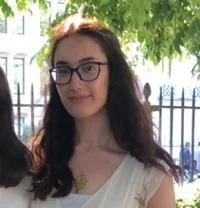
Dahlia Radif
I thoroughly enjoyed my time at LSE. The programme gave me both breadth and depth across a wide range of pure and applied mathematics, while the flexibility in course choice made it easy to explore related areas such as statistics, programming and economics.
One of the highlights of my experience was learning from academics who are not only experts in their fields but are genuinely passionate about the subjects they teach. The Department encouraged me to think independently and develop my own interests, while also providing a wealth of support through approachable faculty, academic guidance and career advice.
What I value most about my time at LSE is the balance it offered. The mathematical training gave me a strong foundation for further study in engineering and computational mathematics, while studying within a social science institution broadened my perspective beyond my degree. That combination of rigorous academic study and interdisciplinary learning is what makes the LSE experience so unique.
Where are they now?
Following graduation, I continued my studies by joining the two-year Master's programme in Computational and Mathematical Engineering at Stanford University, building on the strong mathematical foundation I developed at LSE.

Farid Abou-Jaoude
My time at LSE, and particularly within the Department of Mathematics, helped me develop both intellectual confidence and a deeper interest in financial mathematics, a field that I have chosen to pursue further in my postgraduate studies. The opportunity to learn from and exchange ideas with passionate academics played a significant role in shaping my academic journey.
The BSc Financial Mathematics and Statistics programme offers an excellent balance between theory and practice, providing a strong foundation for a future career in quantitative finance. The variety of courses available allowed me to approach complex topics from different perspectives. For example, through my third-year studies, I explored option pricing through mathematical theory, financial intuition and computational methods, giving me a well-rounded understanding of the subject.
Beyond academics, studying at LSE broadened my horizons in ways I had never imagined. Moving from Lebanon gave me the opportunity to build lifelong friendships with people from across the world and experience new cultures and perspectives. Although stepping outside my comfort zone was sometimes challenging, it became one of the most rewarding aspects of my time at LSE.
Like any university experience, my journey included both highs and lows. Looking back, the challenges of the pandemic, demanding coursework and the uncertainties of student life made me more resilient and helped me appreciate the opportunities and friendships I gained along the way.
Where are they now?
Following graduation, I began the next chapter of my academic journey at Columbia University in New York, where I am pursuing a Master's degree in Financial Engineering.

Natasha Tai
My three years at LSE were both rewarding and eye-opening. The BSc Financial Mathematics and Statistics programme provided a unique combination of mathematics, statistics and finance, allowing me to develop a deeper understanding of the quantitative ideas that underpin real-world financial markets.
One of the aspects I valued most was the balance between theory and practice. The programme challenged me to think critically and develop strong analytical and problem-solving skills, while also giving me the opportunity to build practical experience through programming and data analysis. During my studies, I strengthened my coding skills by working with Python, R, MATLAB and Stata across a range of coursework and projects.
The Department of Mathematics offers a highly supportive learning environment, where students are encouraged to develop both academically and professionally. I am especially grateful for the guidance and encouragement I received from professors, class teachers and my academic mentor, whose support was invaluable throughout my studies, particularly during the period of remote learning.
Beyond the classroom, LSE's diverse community and vibrant student life made my undergraduate experience even more memorable. Studying in the heart of London also provided access to a wide range of opportunities that helped shape both my personal and professional development.
Where are they now?
Following graduation, I began my career as an Investment Analyst in the Global Fixed Income Division at BlackRock in London, where I continue to build on the knowledge, skills and experiences I gained during my time at LSE.

Anna Tcirkina
Completing my BSc in Financial Mathematics and Statistics at LSE helped me discover a subject that I am truly passionate about. I joined the programme as a student who was still exploring different academic paths, and I am incredibly grateful for the guidance and support I received from the Department as I developed a strong interest in mathematical finance.
One of the strengths of the programme is its structure. The first two years build a broad mathematical and statistical foundation, introducing new concepts while demonstrating how they can be applied across areas such as economics, finance and data science. This interdisciplinary approach gave me the confidence to explore more advanced and specialised topics in my final year.
The final year brought everything together, allowing me to apply the skills I had developed and gain a deeper understanding of both the theory and practice of mathematical finance. I particularly enjoyed the opportunity to take specialised modules and further strengthen my technical skills through programming in R, Python and MATLAB. The programme gave me the knowledge, confidence and analytical skills to take the next step towards my future ambitions.
Where are they now?
Following graduation, I continued my journey in mathematical finance by joining the joint MSc Quantitative Finance programme at ETH Zürich and the University of Zurich, while also working in the Asset Management division at Zurich Insurance Company.
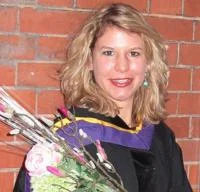
Suzanne Bloks
After completing undergraduate degrees in Mathematics, Law and Philosophy, I wanted to deepen my understanding of the mathematics that underpins economics, political science and philosophy. The MSc Applicable Mathematics at LSE gave me the unique opportunity to pursue these interests by combining courses from the Department of Mathematics with modules from across the School.
One of the highlights of the programme was the close interaction with academics. Their guidance and willingness to discuss ideas created an inspiring and supportive learning environment. During my dissertation, I had the opportunity to work with my supervisor on an open research problem, providing an invaluable introduction to mathematical research and strengthening my interest in pursuing an academic career.
The interdisciplinary nature of the degree, together with the welcoming and international community at LSE, encouraged me to think beyond traditional subject boundaries and explore new ways of combining my interests in mathematics, law and philosophy.
Where are they now?
The MSc Applicable Mathematics inspired me to continue my research journey, and I have since gone on to pursue a PhD in Computer Science, building on the mathematical foundation and research experience I gained at LSE.
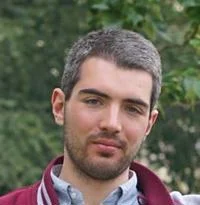
Regis Gourdel
I chose to study the MSc Applicable Mathematics at LSE because of its broad range of courses and the opportunity to learn in a uniquely interdisciplinary environment. The flexibility of the programme allowed me to build a challenging and rewarding curriculum tailored to my interests, combining mathematical theory with real-world applications.
One of the aspects I valued most was the close interaction with academics and the opportunity to engage with the wider LSE community. Students are encouraged to explore courses across different departments and take part in joint events, creating an environment where everyone can shape their own experience and pursue their individual interests.
The programme gave me a strong foundation in mathematics applied to economics and helped me develop analytical skills that have proven valuable beyond academia, particularly in understanding and addressing complex policy challenges.
Where are they now?
Following graduation, I joined the European Central Bank as a Graduate Trainee, where I apply the mathematical and economic knowledge developed during my studies to real-world policy work.

Ed Plumb
The MSc Applicable Mathematics at LSE gave me the opportunity to explore advanced topics in applied mathematics while learning from leading researchers across both the Department of Mathematics and the Department of Economics. In particular, I was able to study advanced game theory and engage with areas of mathematics that I had not encountered during my undergraduate degree.
One of the aspects I valued most was the supportive and welcoming environment within the Department. The close interaction with academics and the many opportunities to engage with the subject beyond the classroom created a stimulating learning experience and encouraged me to develop my interests further.
The programme not only broadened my mathematical knowledge but also strengthened my enthusiasm for research and advanced study.
Where are they now?
Following the MSc, I chose to continue my academic journey by pursuing a PhD, building on the research interests and mathematical foundation developed during my time at LSE.

Siddhant Walia
After completing my BSc in Mathematics, I wanted to strengthen my quantitative and mathematical skills in a more applied setting. The MSc Applicable Mathematics at LSE provided the perfect opportunity to move beyond the abstractions of pure mathematics and explore how mathematical methods can be used to understand and solve real-world problems.
One of the strengths of the programme is its wide range of course options, allowing students to tailor their studies to their interests. I particularly enjoyed modules such as Game Theory, Financial Risk Analysis, and Cryptography and Coding, which demonstrated the diverse applications of mathematics across different fields.
What sets this MSc apart is its focus on preparing students for their next step, whether in academia or industry. The emphasis on developing practical programming skills, particularly in Java and Python, gave me valuable experience that is highly relevant in today's professional environment.
Beyond the academic experience, the people I met were one of the highlights of the programme. Studying alongside a diverse group of talented and analytical students created an inspiring and supportive community that made my time at LSE especially memorable.
Where are they now?
The MSc Applicable Mathematics equipped me with the practical and analytical skills to pursue the next stage of my academic and professional journey, building on the strong quantitative foundation I developed at LSE.
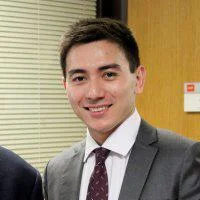
Benjamin Auve
After completing a double MSc in Engineering and Nuclear Science, I decided to pursue a career in finance with the ambition of becoming a quantitative analyst in an investment bank. The MSc Financial Mathematics at LSE provided the ideal opportunity to build the mathematical and financial expertise needed to make that transition.
The programme is both challenging and rewarding, with courses that encourage students to develop their technical abilities and deepen their understanding of financial mathematics. One of the aspects I appreciated most was the support offered by the academic staff. The professors were always generous with their time, creating an environment where students could ask questions, explore ideas and develop their knowledge beyond the classroom.
Equally important was the community within the Department. Studying alongside talented and motivated people from a wide range of backgrounds created an inspiring and collaborative atmosphere that made my experience at LSE particularly memorable.
Where are they now?
The MSc Financial Mathematics gave me the skills and confidence to pursue my goal of a career in quantitative finance, building on my previous background in engineering and the physical sciences.

Iustin Beldie
My time at LSE was a journey of exploration and discovery. The combination of mathematics and finance had always interested me, and the MSc Financial Mathematics programme gave me the opportunity to develop that interest through rigorous study and real-world applications.
Throughout the programme, I was introduced to a wide range of challenging and engaging problems, many of which demonstrated the practical impact of mathematical methods in finance. The tutorials and close interaction with academic staff were particularly valuable, and I always felt encouraged to ask questions, explore new ideas and deepen my understanding of the subject.
The skills and analytical techniques I developed during the MSc have given me a strong foundation for my future career, and I am confident that they will continue to benefit me in my professional life.
Equally important were the friendships and sense of community I found within the programme. Studying alongside talented and supportive peers made the experience even more rewarding, and I am grateful for the encouragement and collaboration that helped me make the most of my time at LSE.
Where are they now?
Following graduation, I began my career as an analyst, applying the mathematical and financial knowledge developed during my studies at LSE.

Mehek Garg
After completing my undergraduate degree in Mathematics, I wanted to apply my mathematical knowledge in a more practical setting and gain a deeper understanding of the quantitative methods used in modern finance. The MSc Financial Mathematics at LSE provided the ideal opportunity to bridge the gap between pure mathematics and its real-world financial applications.
The programme's carefully designed curriculum gave me a strong foundation in the mathematical and statistical principles that underpin financial markets, while also helping me develop valuable programming skills. Learning to work with computational tools and techniques prepared me to tackle the complex and ever-evolving challenges of the financial industry.
While the academic experience was incredibly rewarding, one of the most memorable aspects of the programme was the people I met along the way. Studying in a diverse and international environment broadened my perspective and contributed significantly to my personal growth. The opportunity to learn alongside talented peers and engage with supportive academics made my time at LSE especially enriching.
Where are they now?
The MSc Financial Mathematics equipped me with the technical, analytical and programming skills to pursue the next stage of my professional journey in quantitative finance.

Matthieu Jeanjean
One of the things I valued most about the MSc Financial Mathematics programme was the people I met along the way. The academic staff are not only experts in their fields but are also genuinely passionate about teaching. They always took the time to answer questions, encourage discussion and help students develop a deeper understanding of the subject.
The programme brings together students from a wide range of backgrounds, creating a diverse and welcoming learning environment. What united us was a shared enthusiasm for the subject, which made it easy to collaborate and learn from one another. Some of my favourite memories are from the Department's MSc study room, where we would work through problems together, explain concepts on the whiteboard and support each other through the more challenging parts of the programme.
The MSc is academically demanding, but studying alongside highly motivated classmates and inspiring teachers made the experience both rewarding and enjoyable. The collaborative atmosphere within the Department was a significant part of what made my time at LSE so memorable.
Where are they now?
Following graduation, I began my career as a Quantitative Researcher at a UK-based hedge fund, applying the mathematical and analytical skills developed during my studies at LSE.

Yashasvini Kumar
While working as a consultant at Bain & Company, I developed a growing interest in the financial services industry and decided to explore a career in finance. Mathematics had always been one of my favourite subjects because of its versatility and wide-ranging applications, so the MSc Financial Mathematics at LSE felt like the perfect opportunity to combine these interests. Together with LSE's outstanding academic reputation, the programme provided an ideal foundation for this next step in my career.
The MSc is both challenging and rewarding, with a well-structured curriculum and a range of engaging optional courses. One of the highlights of the programme was the supportive environment within the Department. The academic staff were approachable, generous with their time and always willing to discuss ideas beyond the classroom. Their encouragement and guidance played an important role in helping me make the most of my studies.
Beyond the academic experience, one of the most valuable aspects of the programme was the opportunity to meet people from different cultures and backgrounds. Studying alongside such talented, motivated and supportive classmates broadened my perspective and created friendships that I will continue to value long after graduation.
Where are they now?
The MSc Financial Mathematics provided me with the knowledge, confidence and network to pursue the next stage of my career in the financial services industry.

Matteo Zanardi
I chose the MSc Financial Mathematics at LSE because I was looking for a programme that combined rigorous mathematical training with real-world financial applications. The MSc struck exactly the right balance, providing a strong theoretical foundation while demonstrating how mathematical techniques are applied in practice. The knowledge and skills I developed during the programme ultimately helped me secure a role as a Quantitative Analyst at Morgan Stanley.
One of the aspects I enjoyed most was the close interaction with academic staff. With relatively small class sizes, lectures often felt more like discussions than traditional teaching sessions, encouraging students to engage deeply with the material and develop a genuine understanding of the concepts being explored. The Department also hosts a wide range of seminars and research events, offering valuable opportunities to hear from academics and industry experts and gain insight into the latest developments in financial mathematics.
Beyond the academic experience, studying at LSE exposed me to an incredibly diverse and international community. Learning alongside people from different cultures and backgrounds broadened my perspective and contributed significantly to my personal growth. The friendships and connections I made during my time at LSE remain one of the most rewarding aspects of the experience.
Where are they now?
Following graduation, I joined Morgan Stanley as a Quantitative Analyst, applying the mathematical, analytical and problem-solving skills developed during my studies at LSE.

Kobe Ferguson
Studying at LSE was my first experience of studying internationally, and although I wasn't sure what to expect when I arrived, it quickly became one of the most rewarding experiences of my academic journey. Above all, I will always value the friendships I made and the opportunity to learn alongside people from such a diverse range of backgrounds and cultures.
As someone who genuinely enjoys mathematics, one of my biggest challenges was deciding which courses to take. The programme offers an excellent balance between theory and application, with a wide range of options that allow students to explore different areas of operations research, analytics and data science. My advice to future students would be to think carefully about the direction they would like to pursue, while taking advantage of the flexibility the programme offers.
The academic staff are highly knowledgeable, approachable and committed to supporting students throughout their studies. The programme is demanding, but LSE provides a wealth of resources and support to help students succeed. Through hard work and persistence, I found the experience both challenging and incredibly rewarding.
I joined the programme while on study leave from my role as an Analyst at the Central Bank of The Bahamas, and I found the skills developed during the MSc to be directly relevant to my work. From simulation and modelling to statistical analysis and programming, the programme strengthened both my technical expertise and practical problem-solving abilities.
Where are they now?
Following the MSc, I returned to my role as an Analyst at the Central Bank of The Bahamas, applying the analytical, modelling and programming skills developed during my studies to real-world policy and economic challenges.

Arnav Jaitly
My time studying the MSc Operations Research & Analytics at LSE was both enriching and transformative. Coming from a background in Industrial Engineering, I joined the programme with the goal of developing new technical skills and learning alongside students from diverse backgrounds and experiences. LSE exceeded my expectations, providing countless opportunities to grow academically and professionally while building a global network of peers.
One of the highlights of the programme was the summer project, which played a major role in my decision to study at LSE. It offered a valuable opportunity to apply the concepts learned throughout the year to real-world challenges and gain practical experience in an area of personal interest.
During the MSc, I developed highly sought-after skills in data modelling, simulation, data science and deep learning, which helped me secure a project with a leading start-up. The versatility of operations research means its methods can be applied across a wide range of industries, opening up exciting and diverse career opportunities.
Despite the challenges of studying during the Coronavirus pandemic, I always felt supported by both my peers and the Department. The academic staff, including my Academic Mentor, were approachable and encouraging, creating a welcoming environment that helped students succeed throughout the programme.
The MSc offers an excellent balance between theory and practical application. While the programme is academically demanding, the wealth of support and resources available at LSE ensures that students are never far from help when they need it.
Where are they now?
Following the MSc, I applied the skills gained in data science, modelling and analytics to work on a project with a leading start-up, building on the strong technical foundation developed during my studies at LSE.

Kate Lavrinenko
Studying the MSc Operations Research & Analytics at LSE was one of the most challenging and rewarding experiences of my life. Before joining the programme, I had already completed two Master's degrees in Applied Mathematics and Economics, gained several years of experience in Economics and Finance, moved countries and taken time away from my career to raise my two children. Returning to full-time study and joining a cohort of talented students from around the world was both exciting and daunting.
The transition back into academic life took time, but I found the support available at LSE invaluable. From academic guidance to wellbeing support, the School provided the resources I needed to navigate the challenges of returning to study and make the most of the experience.
One of the strengths of the programme is its flexibility. The wide range of course options allows students to tailor their studies to their interests and career aspirations. I would encourage future students to think carefully about their goals before selecting courses and to take advantage of the many opportunities available across LSE, whether their ambitions lie in academia, industry or beyond.
The careers events were particularly valuable. Through one such event, I connected with members of Deloitte's Data Science team. Following several rounds of interviews and a successful summer project linked to MA425, I secured a full-time role after completing the programme.
Where are they now?
Following graduation, I joined Deloitte's Data Science team, applying the analytical, modelling and problem-solving skills developed during my studies at LSE. My experience has also strengthened my interest in research, and I continue to explore opportunities to pursue this passion in the future.
Philipp Loick
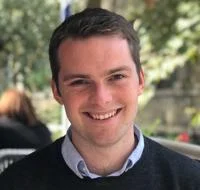
With a background in finance and economics, I was looking for a Master's programme that would allow me to develop the mathematical, analytical and programming skills needed to tackle complex problems in operations research and data science. The MSc Operations Research & Analytics at LSE proved to be the ideal choice.
The programme brings together students from a variety of academic backgrounds, creating a diverse and stimulating learning environment. Despite being an intensive one-year degree, it strikes an excellent balance between theoretical foundations and practical applications. Through courses in areas such as combinatorial optimisation, advanced statistics and data mining, I developed both a deeper understanding of the subject and a strong set of quantitative skills.
A particular strength of the programme is the academic staff. Their expertise, industry experience and strong research profiles ensure that the curriculum remains both academically rigorous and highly relevant to current challenges in analytics and operations research. Learning from academics who are actively contributing to their fields made the experience especially rewarding.
Where are they now?
Following graduation, I received an offer from BCG Gamma, the advanced analytics division of Boston Consulting Group. I ultimately chose to pursue a PhD in Discrete Mathematics, continuing the research journey that began during my time at LSE.

Alexander Saftschuk
I came to LSE with the goal of strengthening my quantitative problem-solving skills and pursuing a career in investment banking. The School's reputation, extensive professional network and active student community provided excellent opportunities to connect with employers, and within two months of arriving at LSE I had secured an offer from a leading global investment bank.
However, as I progressed through the MSc Operations Research & Analytics programme, I discovered a growing interest in data science. The combination of mathematical modelling, analytics and machine learning opened up new possibilities, and I quickly realised that this was the direction I wanted my career to take. The skills I developed during the programme gave me the confidence to make that transition and pursue a different path.
Coming from a non-quantitative business background, the learning curve was significant, but also incredibly rewarding. The programme was challenging without being overwhelming, and I particularly appreciated the close interaction with academic staff. The support I received from professors and my dissertation supervisor played a key role in helping me develop both technically and professionally.
Where are they now?
Following graduation, I joined Telenor Digital's Data Science team in Norway as a Data Analyst. In my role, I develop and implement machine learning models using R, applying many of the techniques and skills I first learned during the MSc at LSE.

Sahar Jahani
My experience at LSE has been incredibly positive. From the moment I joined the Department, I found a welcoming and collaborative research environment where academics and fellow PhD students are always willing to discuss ideas, share insights and support one another's work.
One of the aspects I value most is the breadth of expertise within the Department. Compared to my previous university, there are more academics working in my area of research, creating greater opportunities for collaboration and intellectual exchange. The Department also offers a wide range of advanced courses across different areas of mathematics, providing valuable opportunities to broaden my knowledge and support my research.
Beyond the academic environment, the Department is committed to ensuring that students have a positive and rewarding experience. Staff regularly organise events that bring students together, celebrate important occasions and foster a strong sense of community. Their willingness to support students and help resolve challenges, both within and beyond the Department, creates a welcoming atmosphere that allows researchers to thrive.
Where are they now?
I am currently pursuing my PhD in Mathematics at LSE, conducting research within a supportive and collaborative academic community.

Zhesheng Liu
My research focuses on stochastic optimal control within the field of Financial Mathematics, and I have thoroughly enjoyed my experience within both the Department and the wider research community at LSE.
One of the aspects I value most is the supportive and collaborative atmosphere among PhD students. The office environment is welcoming and friendly, making it easy to exchange ideas, discuss research challenges and learn from one another. The academic staff are equally supportive, and I have benefited greatly from working alongside talented researchers who are always willing to offer guidance and encouragement.
My supervisor has played a particularly important role in my development as a researcher, providing detailed feedback, valuable suggestions and ongoing support. Our regular discussions have helped shape my research and made the doctoral experience both stimulating and enjoyable.
LSE also hosts a wide range of research seminars, welcoming academics from around the world to present their latest work. These events provide an excellent opportunity to engage with cutting-edge research, discover emerging topics in financial mathematics and gain insight into the questions currently shaping the field.
Where are they now?
I am currently pursuing a PhD in Financial Mathematics at LSE, conducting research in stochastic optimal control within a vibrant and internationally connected research environment.

Edin Husić
I am currently completing my PhD after four rewarding years at LSE. Throughout my time in the Department, I have found it to be a welcoming and supportive environment, with exceptional academics, dedicated professional services staff and a strong community of researchers.
The PhD office has been at the heart of my experience, providing a collaborative space where students can exchange ideas, work through challenges and learn from one another. The sense of community among researchers has made the doctoral journey both productive and enjoyable.
My research focuses on algorithmic questions in game theory and combinatorial optimisation. LSE has a vibrant research community working on related topics, and it has been a privilege to discuss ideas and share research challenges with academics and fellow PhD students who have similar interests. The Department also offers a rich programme of seminars, reading groups, conferences and workshops, ensuring that students remain connected to the latest developments in their field and the wider research community.
Where are they now?
I am currently completing my PhD in Mathematics at LSE, specialising in game theory and combinatorial optimisation, and preparing for the next stage of my research career.

Nóra Frankl
I completed my PhD in Mathematics at LSE in 2020, having previously earned an MSc in Mathematics from Loránd Eötvös University in Budapest. My research focused primarily on discrete geometry, which combines combinatorial and geometric approaches to mathematical problems. I was also interested in broader combinatorial questions, including the study of edge-coloured hypergraphs and monochromatic cycles.
One of the reasons I chose this area of mathematics is that it brings together two subjects I have always enjoyed: combinatorics and geometry. The opportunity to explore challenging problems at the intersection of these fields made research both stimulating and rewarding.
The Department provides an excellent environment for doctoral research. The PhD office is a productive and collaborative space where students can exchange ideas, discuss problems and support one another. In addition to practical resources and funding opportunities, the Department hosts regular seminars and welcomes leading researchers from around the world, giving students valuable opportunities to engage with new ideas and developments in the field.
Throughout my time at LSE, I felt supported both academically and personally. The Department, the PhD Academy and the wider research community all contribute to a welcoming atmosphere where students can thrive. Most importantly, I always felt like a valued member of the Department.
Where are they now?
Following my PhD, I continued my research career in mathematics, pursuing my long-term goal of remaining in academia and contributing to research in combinatorics and discrete geometry.
Advice for prospective PhD students
Research is often a gradual process, and it is important to set realistic expectations. Progress may come in small steps, but those small breakthroughs are worth celebrating. Don't be discouraged by setbacks; persistence is an essential part of research. Equally, remember to look after yourself and find a balance that works for you. Sometimes inspiration strikes when you least expect it, and flexibility can be just as important as routine.
The professors and teachers in the department are experts in, and truly love, their field, and this reflects in the way they teach their courses.
Tell Us Your Story