

Public Lecture - Data and Digital Innovation for Humanitarian Assistance: Lessons from UNRWA
Speaker

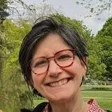
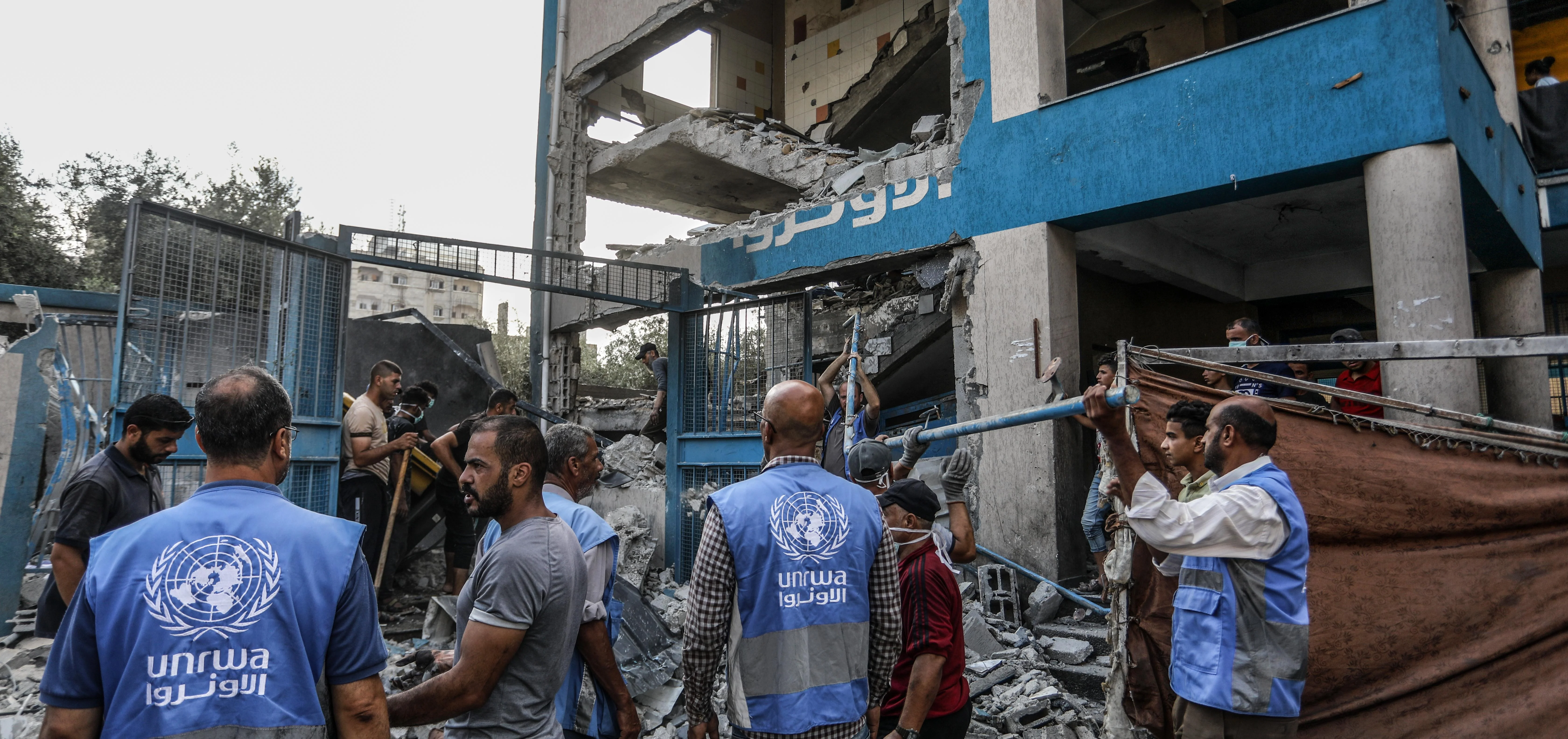
Join the Department of International Development for a public lecture on the topic Data and Digital Innovation for Humanitarian Assistance: Lessons from UNRWA by Valeria Cetorelli, Deputy Director, Relief and Social Services at the United Nations Relief and Works Agency for Palestine Refugees in the Near East (UNRWA)
About the Lecture
This lecture will explain how data and digital innovation enhance the effectiveness, efficiency and accountability of humanitarian assistance, drawing on the experience of UNRWA, the UN agency for Palestinian refugees in Lebanon, Syria, Jordan, the West Bank and the Gaza Strip. It will cover humanitarian access and all phases of the assistance delivery chain, from intake and registration to assessment of needs and conditions, determination of eligibility, enrolment in benefits and services, and ongoing monitoring and adjustments. Participants will gain practical insights into leveraging technology and analytics across each of these phases, as well as lessons learned in balancing innovation with ethical, operational and community considerations.
About the Speaker
Dr. Valeria Cetorelli has been with UNRWA since 2018, serving six years as Head of Refugee Registration and Eligibility and currently as Deputy Director of Relief and Social Services. She holds a PhD in demography from the LSE and has extensive experience leveraging data, digital innovation and applied research to guide humanitarian assistance and development policies and advance human rights and international justice for conflict-affected and displaced populations. She has led large multidisciplinary teams, managed complex multimillion-dollar programmes, and delivered high-impact operational reforms. Prior to joining UNRWA, she worked as Demographic Statistician at UNESCWA and as Research Officer at the LSE Middle East Centre and at the Johns Hopkins Center for Refugee and Disaster Response.
About the Chair
Tiziana Leone is a Professor at the London School of Economics. Tiziana’s research agenda is focused around maternal and reproductive health, including a lifecourse approach to women’s health. She is currently analysing secondary data on the linkages that menarche, menopause and mid-life age have on fertility outcomes and health in later life. She has collaborated in expert roles with international organisations (eg: WHO, UNFPA and UNICEF) in tracking the progress of the MDGs and SDGs in LMICs in maternal and child health.
Before working in academia she was a statistician in the UN Statistics Division where she coordinated technical cooperation on census and civil registration data collection in Low Income Countries. As a social statistician she has worked within multidisciplinary teams in linking up data from different sources and of different nature (eg: qualitative and quantitative) using a range of innovative methods (from longitudinal analysis, pathway analysis, to mixed methods to quasi experimental analysis). She focuses on the secondary analyses of data sources in innovative ways in order to construct longitudinal analysis in datasets where only cross-sectional data are available (e.g.: User fees work in SAA and Palestinian data projects). She has held several grants which included international collaborations in Africa, Asia and Latin America.
Tiziana is Deputy Head of Department, and Deputy Doctoral Programme Director, at the LSE Department of International Development.
Any questions?
You can contact us at intdev.comms@lse.ac.uk
LSE holds a wide range of events, covering many of the most controversial issues of the day, and speakers at our events may express views that cause offence. The views expressed by speakers at LSE events do not reflect the position or views of the London School of Economics and Political Science.