GSoS Student Blog: Learning by Doing - Fieldwork in the Dominican Republic
GSoS Student Blog: Learning by Doing - Fieldwork in the Dominican Republic
Written by Alana Lopez Koen, MSc Environment and Development.
Last summer, I made the move from California to London to begin my MSc in Environment and Development at the London School of Economics (LSE) — and my life was about to change immensely in many ways. Getting here had been quite the journey!
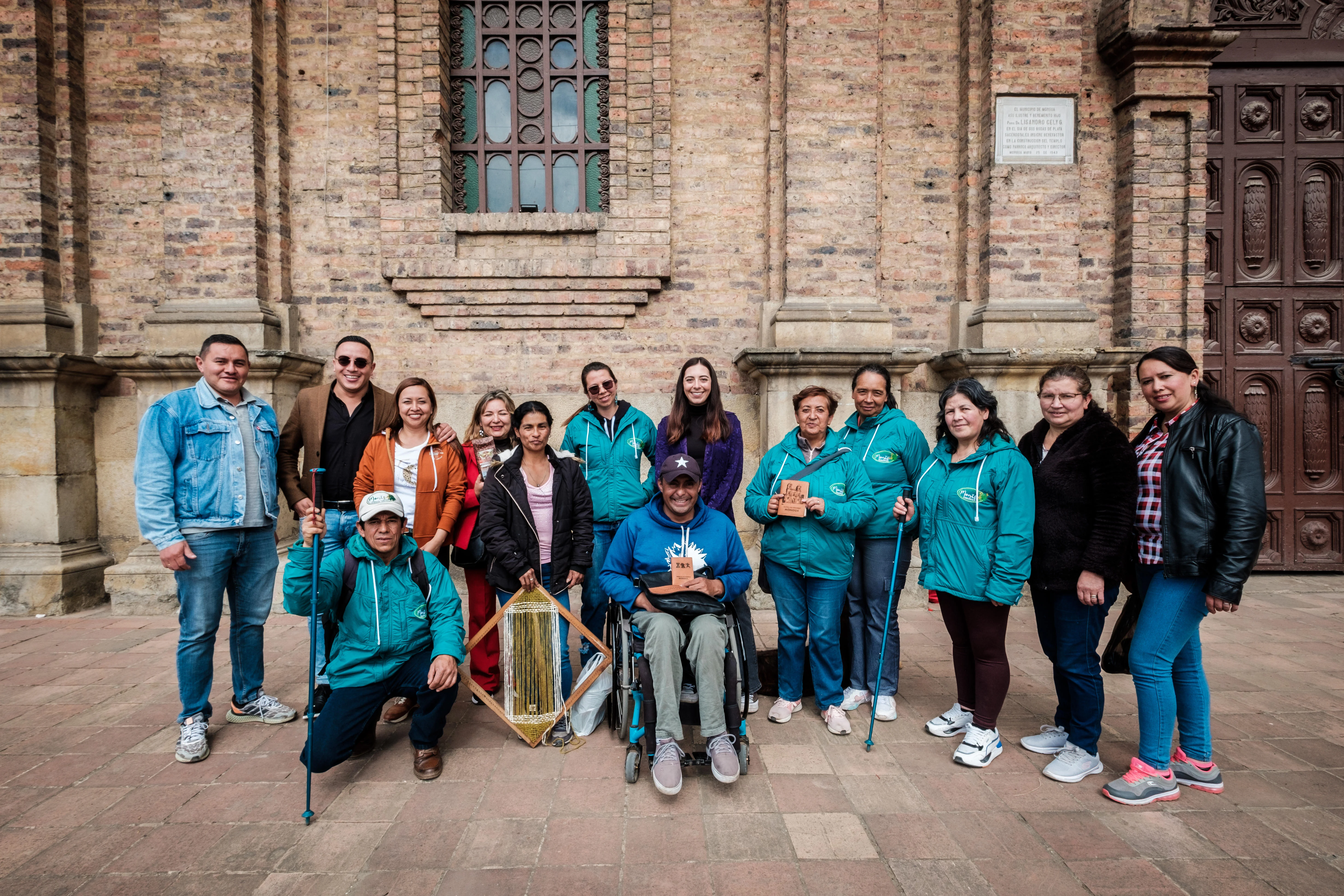
Several years after graduating from the University of California, Berkeley with a B.A. in Development Studies and a minor in Conservation and Resource Studies, I put those foundations into practice as a Peace Corps volunteer. For two years, I worked in Community Economic Development in the Andean department of Boyacá, Colombia. I taught entrepreneurship and financial literacy to high school students, offered community classes in digital marketing and women's financial empowerment, and helped organise entrepreneurship fairs for hundreds of participants. My service gave me a profound appreciation for the host country nationals who welcomed me so warmly and collaborated to achieve shared goals. Throughout my time in Colombia, I was reminded of something larger — a concept from my freshman year UC Berkeley anthropology class: collective effervescence. The feeling of energy, harmony, and unity that arises when people gather for a shared purpose, which captures the spirit of the Peace Corps.
During my final year of service, I began considering my next steps. I had always intended to pursue a master’s degree, and looked for a one-year MSc, with potential funding, and an interdisciplinary focus aligned with my interests in international development and the environment. When I found LSE’s MSc in Environment and Development, offered by the Department of Geography and Environment, I knew I would apply.
In January 2025, I received news that I had been accepted — I was ecstatic! I was also surprised and grateful to be awarded the Global School of Sustainability Scholarship. The GSoS mission — bringing together students and researchers to engage with global sustainability challenges through research, collaboration, and policy-oriented thinking — greatly aligned with my aspirations, and receiving this support has been incredibly meaningful. With the support of GSoS, I was able to confidently accept my admission offer, prepare to close my Peace Corps service, and move to London to study at LSE.
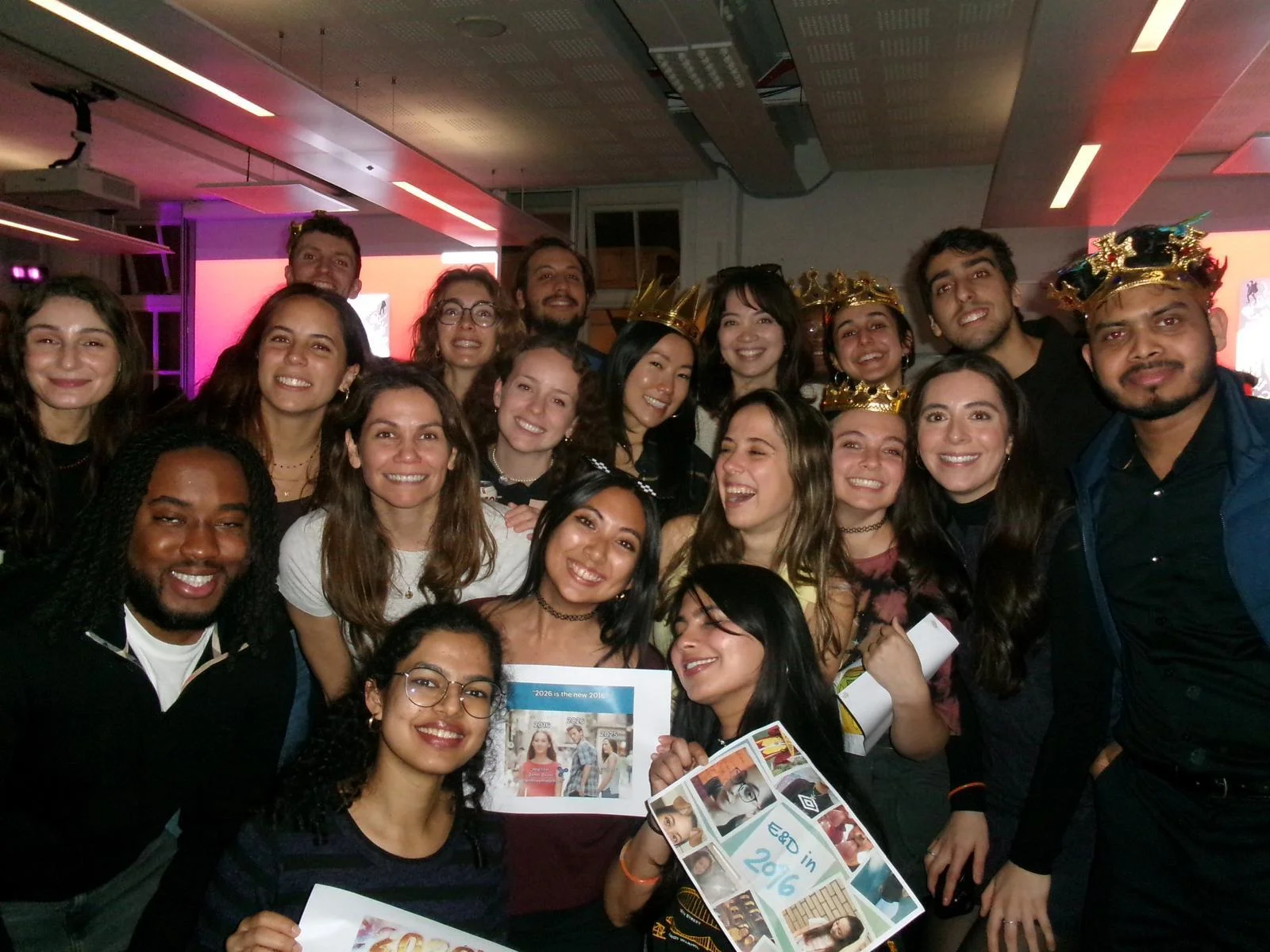
After an eventful summer, September arrived quickly. As an incoming MSc student, I attended Welcome Week events and met other students from the Geography and Environment department. During our first program meeting, I found out that our cohort was about 50 members, representing over 30 countries! This has offered global perspectives and enriched classroom conversations around our shared interests in environmental stewardship, sustainable economic policies, and inclusive approaches to development.
In December 2025, I began thinking about my dissertation topic and applied to an external project titled “Climate Change Adaptation in Small Islands: Exploring Challenges, Opportunities, and Innovations,” under the supervision of Dr. Denyse S. Dookie, a Research Fellow at the Grantham Research Institute on Climate Change and the Environment. With Denyse’s guidance, I refined my research to examine how climate and disaster risk information flows across governance levels in the Dominican Republic, and the barriers preventing it from translating into effective disaster preparedness and response.
Drawing on my study abroad semester in South Africa and my Peace Corps service, I knew on-the-ground fieldwork would make my research more informed, enriched, and relevant. A Rotary International Global Grant Scholarship made it possible for me to travel to Santo Domingo, where I carried out two weeks of fieldwork with government officials working in disaster risk reduction.
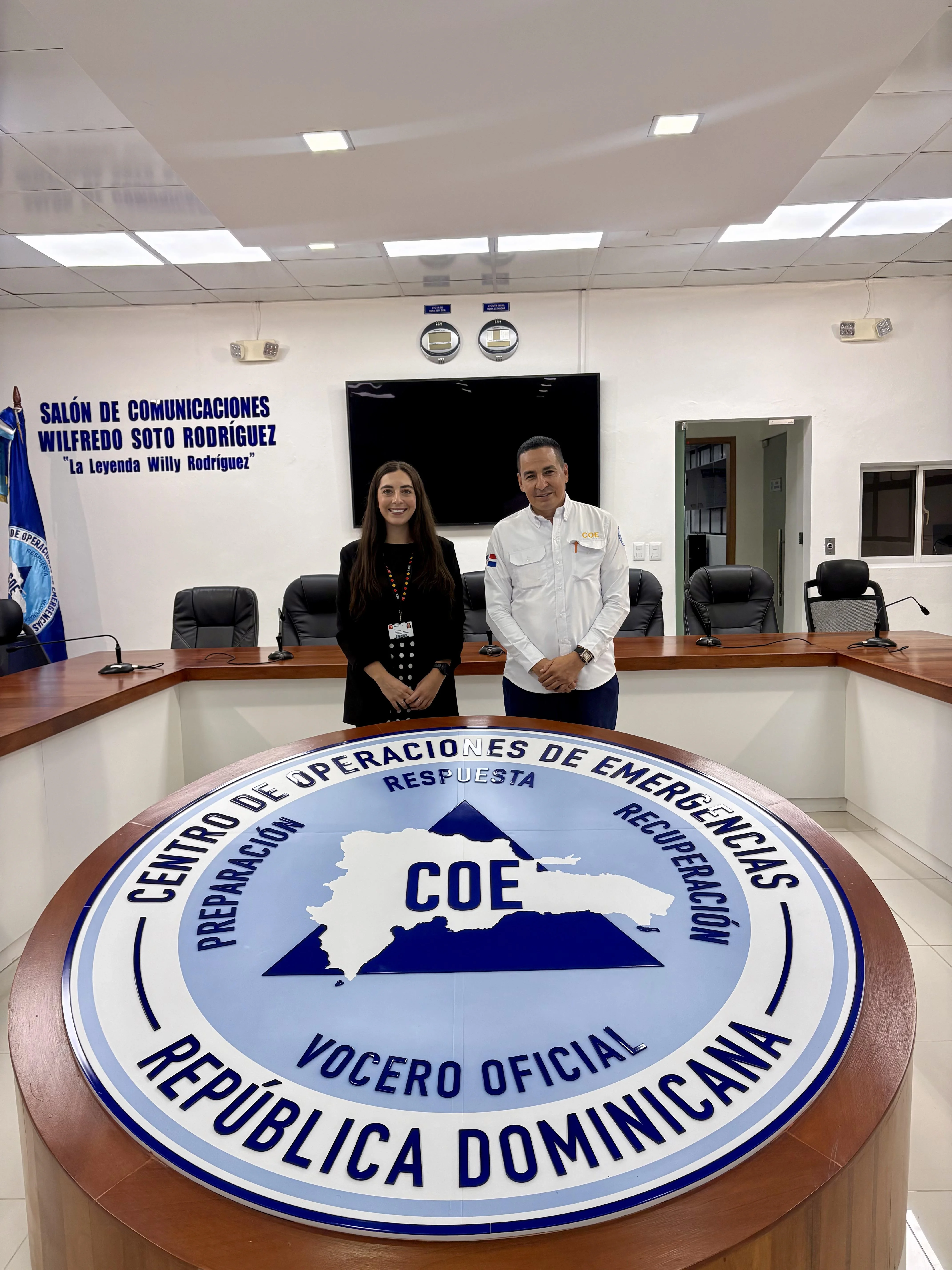
I conducted interviews with officials from institutions including the Ministry of Environment and Natural Resources, Ministry of Agriculture, Emergency Operations Centre, and National Integrated Information System. I was nervous to do the interviews in Spanish— especially in such a professional setting — but after a few days, I was proud and relieved that the foundations I had built in the Peace Corps translated to the communication skills I needed. I was also fortunate to attend a two-day workshop organized by CEPAL (UN Economic Commission for Latin America and the Caribbean) in partnership with the Comisión Nacional de Emergencias, which brought together approximately 30 representatives from Dominican government agencies to discuss how to evaluate disaster damages and recovery costs.
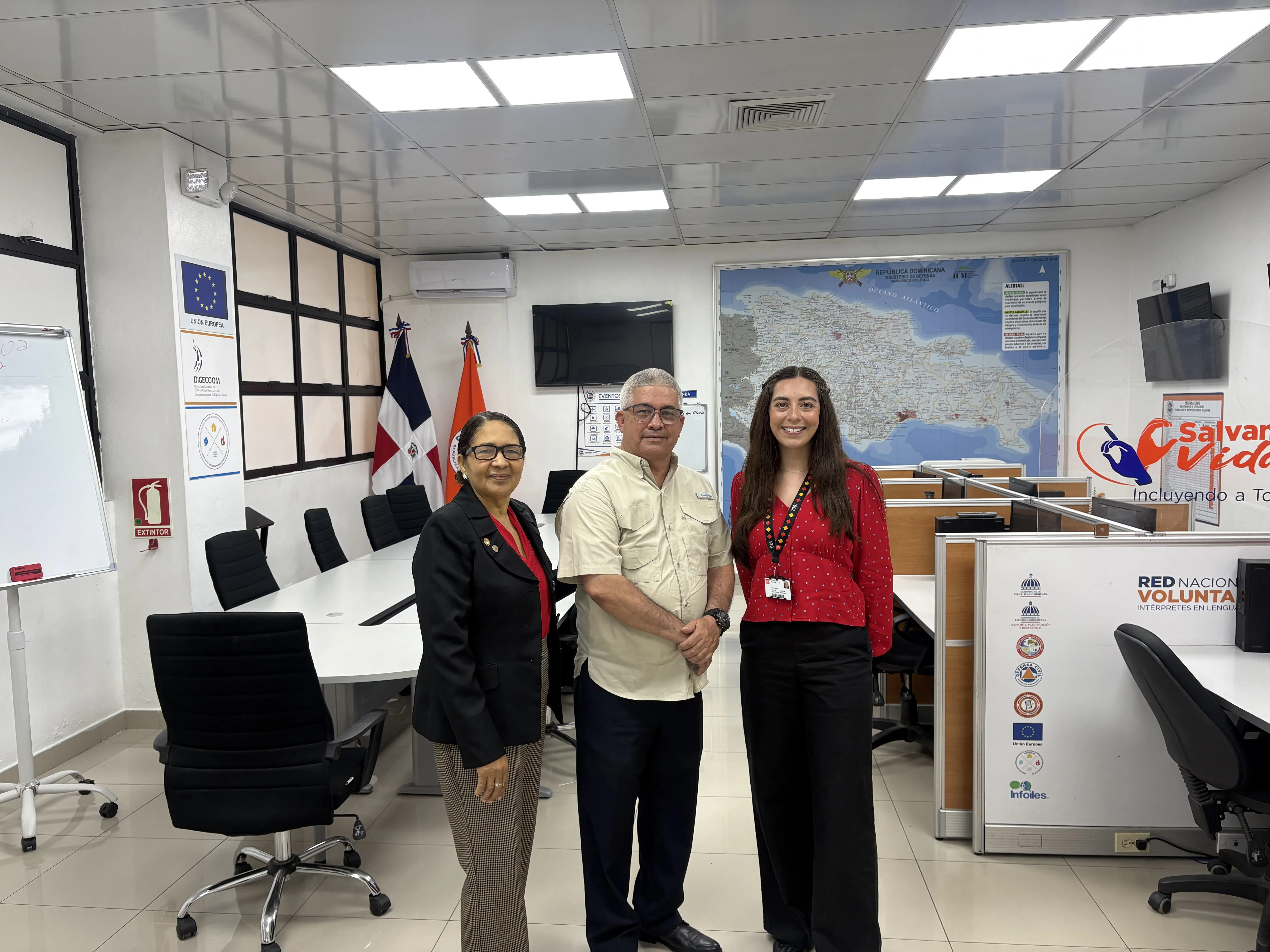
The officials I spoke with were incredibly generous with their time. A theme that emerged across several interviews — one I am looking forward to exploring further in my dissertation — is the role of youth education as a catalyst for cultural change around how people respond to climate and disaster risk information. This theme connects back to my volunteering experiences in South Africa and Colombia and reaffirms the importance of education in facing some of our planet's greatest challenges. Throughout my life, teaching and learning have been foundational to my personal, academic, and career aspirations. I hope to take the theories and practices from LSE to my career and beyond.