

Addressing Urban Violence through Participatory Research with Youth in Colombia and South Africa
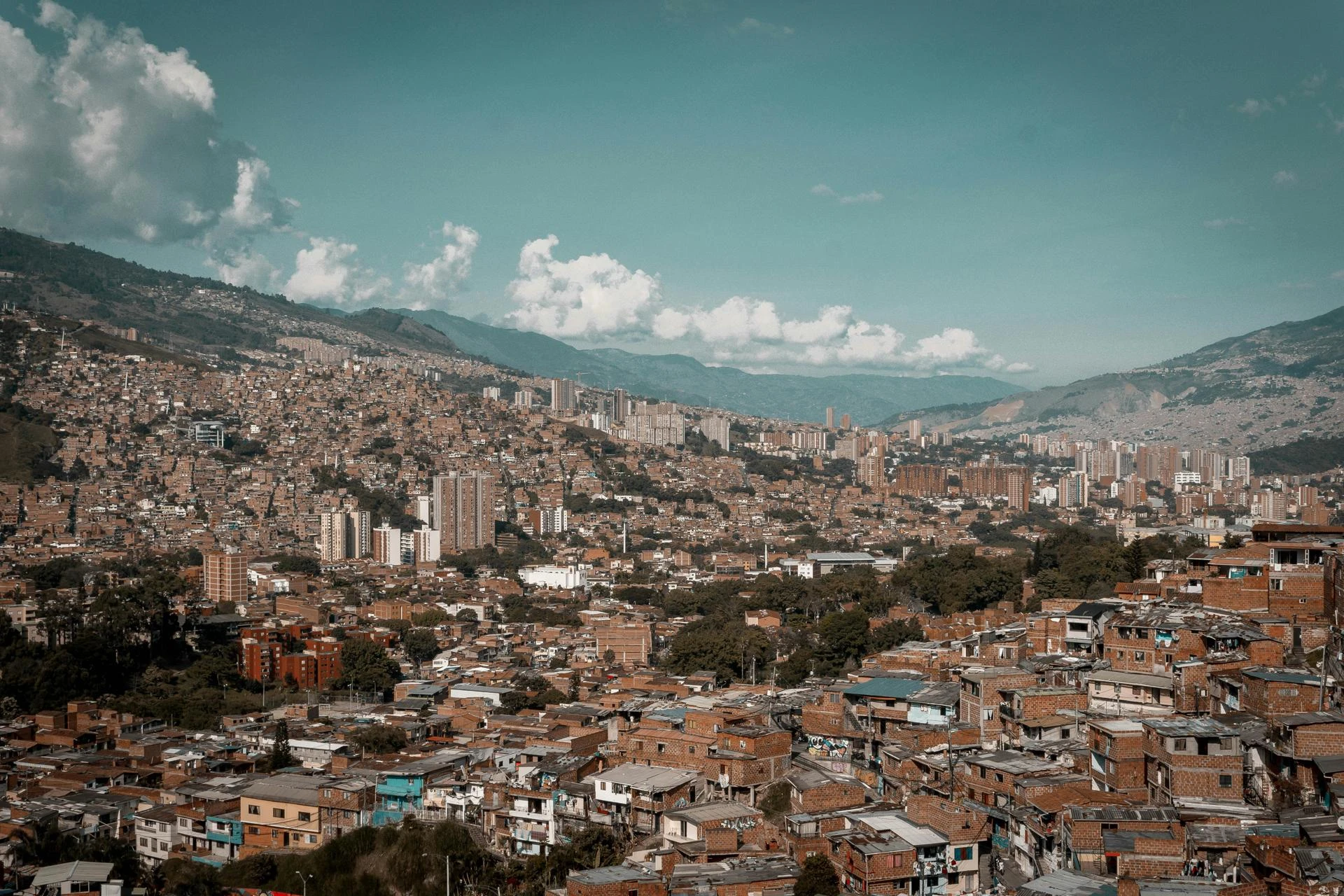
Urban violence disproportionately affects young people in historically marginalised communities, while their voices continue to be excluded from public and policy-making debates. The dominant narratives tend to represent young people as a threat to or as passive recipients of intervention, reinforcing stigma, deepening exclusion and increasing tension with public institutions including the police.
The research sought to challenge these narratives and position young people at the centre of knowledge production and engagement with public policy. Listening to and working with young people to understand and address the factors that promote violence, we sought also to contribute to the design of more effective local security strategies based on respecting people’s rights and to strengthen institutional accountability through evidence generated by and with young people.
On the research
A participatory approach to urban security
The research had as it is objective to generate new evidence that can assist with addressing urban violence and strengthen local measures to coproduce knowledge with young people in communities affected by poverty, marginalisation and the presence of gangs and criminal organisations in Cape Town and Medellín.
The research team in Colombia, South Africa and the UK worked with young people in youth organisations who became co-investigators: in Cape Town with young people who set up an organisation called Voices of the Plain, in Mitchells Plain, and in Medellín, with Colectivo PatiAmarillas and the Laboratorio Juvenil for Comuna 2.
In all, 545 young people in both cities participated in the research process, that combined qualitative and quantitative methods, such as participatory workshops, interviews, mapping exercises and surveys, to gather in depth their experiences and perspectives of security and violence in their neighbourhoods.
Putting young peoples’ voices at the centre of the research and working together with local actors, the research generated practical knowledge to aid cities to become safer and inclusive, without threatening the rights or well-being of young people.
Our research aims
The research aimed to address four principal questions:
- What are local dynamics that make young people vulnerable to violence and the influence of criminal actors?
- How do current institutional strategies to confront violence affect young people?
- What type of interventions might reduce vulnerability without compromising the rights and well-being of young people?
- How do we build indicators that are relevant to young people’s understanding of local security measures and prevention programmes, and that can be used to strengthen public accountability?
Who was involved
Alexandra Abello Colak
London School of Economics and Political Science
Alexandra is the UK Co-Investigator on the project and works with the team in developing the methodological strategy for co-producing knowledge with young people in both cities. She contributes to data analysis and facilitates knowledge exchange across case studies and with broader audiences.
Alexandra brings extensive experience in participatory methodologies, peace research, and complex systems thinking, which she has applied to the study of violence, human insecurity, and urban crime in Latin America, the Caribbean, and South Africa.
Gareth A. Jones
London School of Economics and Political Science
Gareth is the Principal Investigator (PI) on the project, and will be focused mostly on the research design, knowledge exchange and impact. His previous ethnographic research has focused on young people in Mexico, including work on urban violence and gangs, and in South Africa on whiteness and elites.
Julián Muñoz
Universidad de Antioquia, Colombia
Julián is co-researcher to the project. A lawyer who specialises in criminal law, with a master’s in political science and doctorate in social science, Julián is Professor in the Faculty of Law and Political Science at the Universidad de Antioquia where he directs the Masters in Conflict, Peace and Human Rights and is part of the research group on conflict, violence and human security.
His research interests focus on critical security studies and crime policies, themes on which he has published widely including most recently (with J. Acosta) Seguridad humana y paz total. Análisis y prospectivas. Bogotá: Tirant lo Blanch.
Natalia Maya
Universidad de Antioquia, Colombia
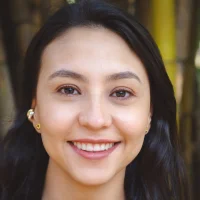
Natalia is the local researcher in Medellin with the Project. Natalia is a journalist, a specialist in theories, methods and techniques of social research, and holds a Masters in Political Science. She is academic coordinator at the Peace Unit (Unidad Especial de Paz) at the Universidad de Antioquia and member of the research group on conflict, violence and security in the Faculty of Law and Political Science.
Natalia has been a researcher and adviser at the National Centre for Historic Memory (Centro Nacional de Memoria Histórica) and to the National Commission for Truth, Coexistence and Non Repetition (Comisión para el Esclarecimiento de la Verdad, la Convivencia y la No Repetición), working on themes linked with the armed conflict, urban violence, memory and peacebuilding.

Ashton Botha
University of Cape Town, South Africa
Ashton is studying for a Masters at the University of Cape town and a committed decolonial African feminist. Her research centres around trauma and healing with a particular focus on the lived experiences of women affected by gender-based violence. Ashton is passionate about amplifying community voices and reclaiming space for their stories within academic discourse. Ashton is the Local Researcher in Cape Town.
Julián Zapata
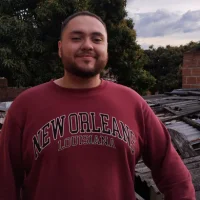
Julián is the Youth Community Research Facilitator with the project. He is a social leader, peacebuilder, and community researcher with particular interest in vulnerable youth in Medellín. A specialist in human rights, peace and coexistence. Through his work with the Human Rights Committee of the Valle de Aburrá where Julián created and has led the Youth Section he advocates for the defence and promotion of human rights in the region.

Rivonne Valentine
Rivonne is the Youth Community Research Facilitator for the project. He is a youth leader with a passion for advocacy, empowerment, and building sustainable communities.
Rivonne serves as the National Youth Representative of the South African YMCA, where he plays a key role in shaping youth-led initiatives across the country, ensuring young voices are heard at grassroots and national levels.
With experience rooted in leadership development, programme coordination, and social impact work, Rivonne has worked to advance youth participation through initiatives such as the National Youth Camp, Y-Justice, and the National Youth Exchange Programme. Rivonne is especially committed to transforming the way young people engage with policy, leadership, and civic responsibility, and he strives to create safe, empowering spaces for youth to thrive and bring a fresh, solutions-oriented voice to national conversations.
This collaborative Project was led by a team of seven researchers from three countries.
The team was assisted by Paulina Pulgarín and Ana Sofia Bedoya Ocampo at the Universidad de Antioquia.
Continuing the conversation
If you work on topics such as youth participation, urban security or violence prevention we would be delighted to be in touch with you. We invite you also to follow the initiatives of the young people involved with our research: the podcast Voices of the Plain and the community communication interventions of Patiamarilla. The research was also facilitated by Corporación Con-Vivamos, a community based organisation that works closely with young people.
Contact
Are you working on youth inclusion, local security, or violence prevention? We welcome opportunities for collaboration, learning, and exchange.
Contact:
Alexandra Abello-Colak – A.L.Abello-Colak@lse.ac.uk
Gareth A Jones – G.A.Jones@lse.ac.uk
Explore images from the project
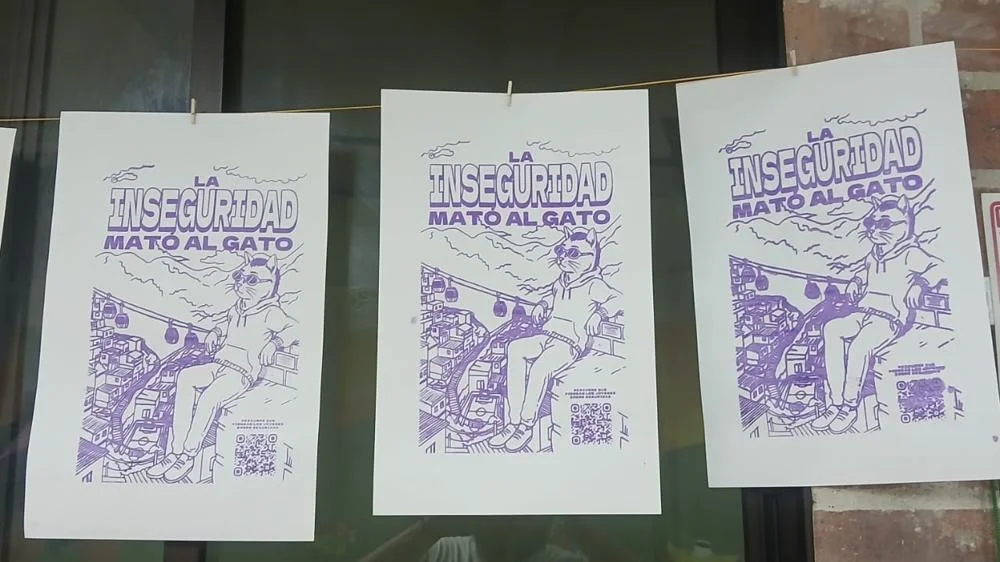
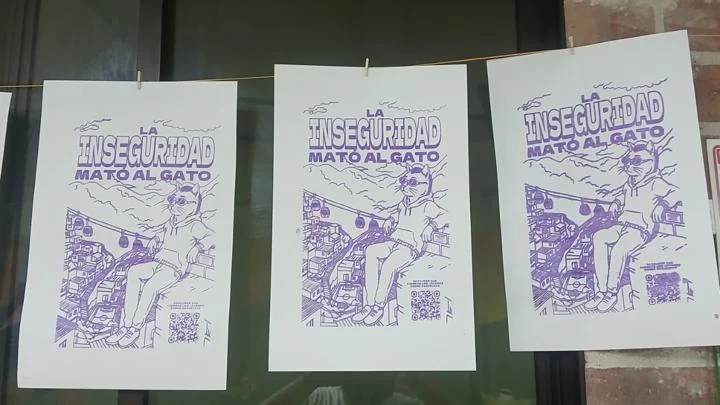
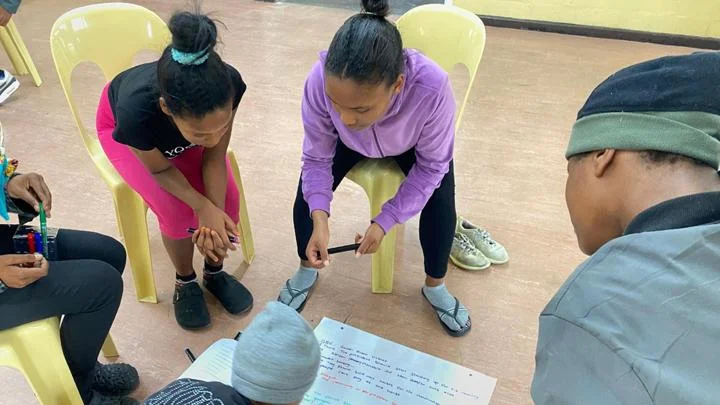
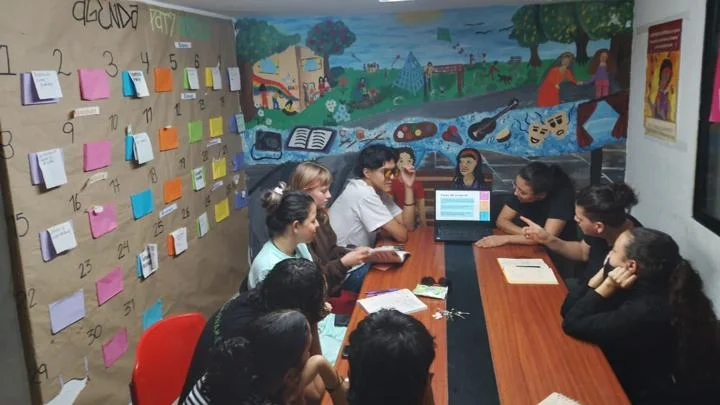
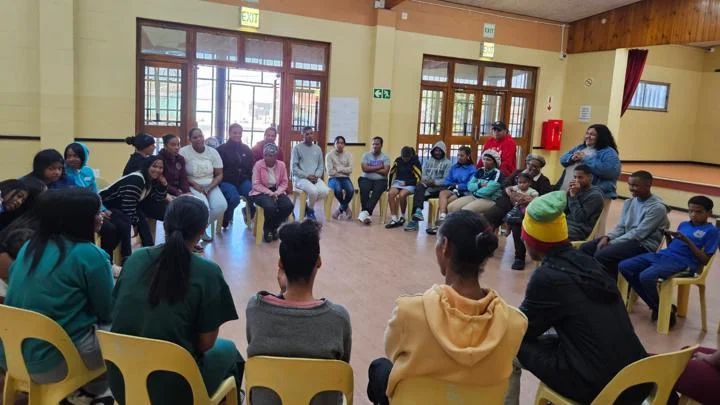
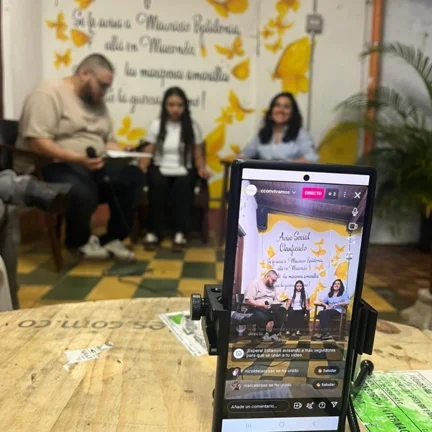
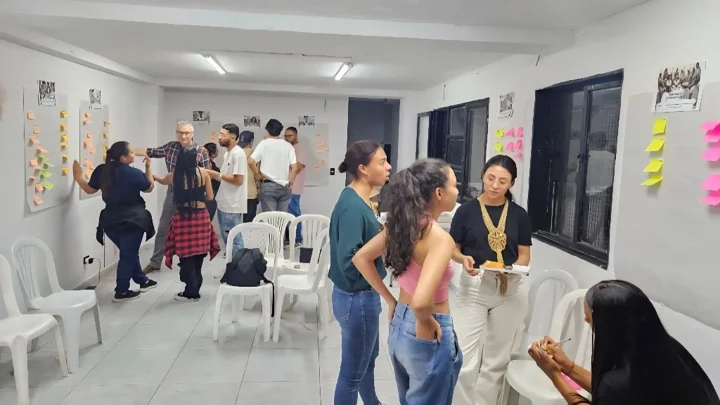
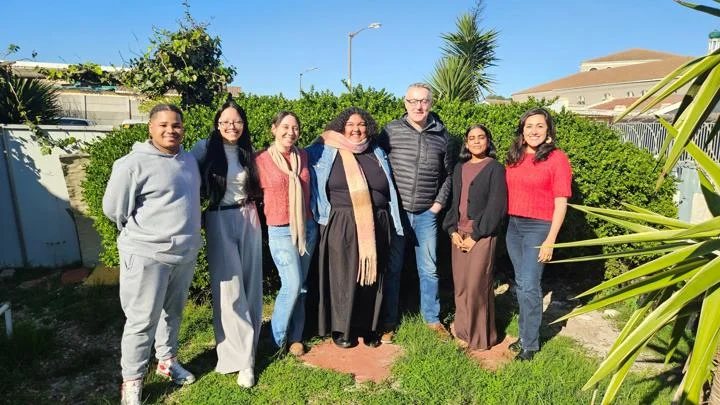
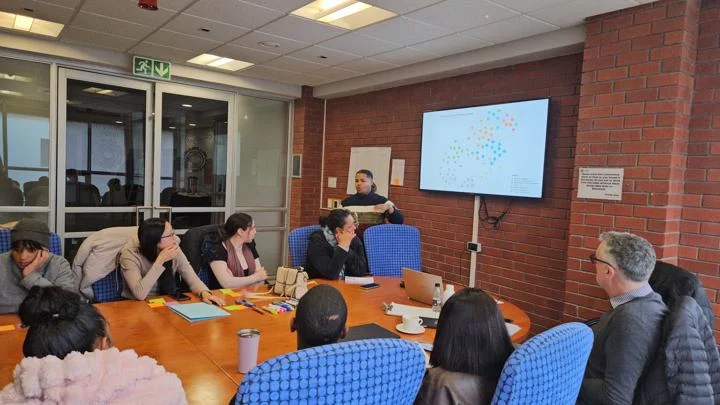
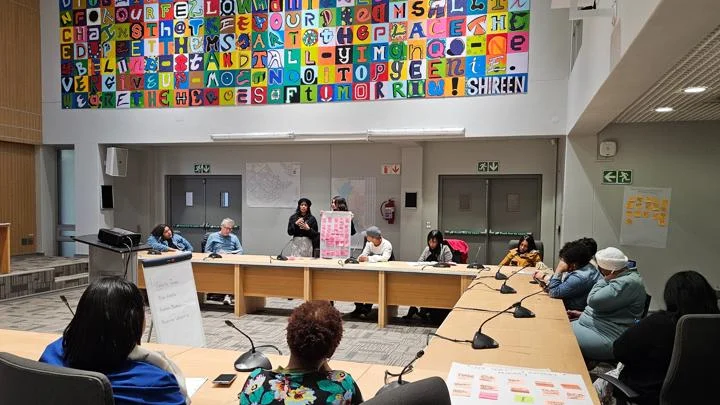
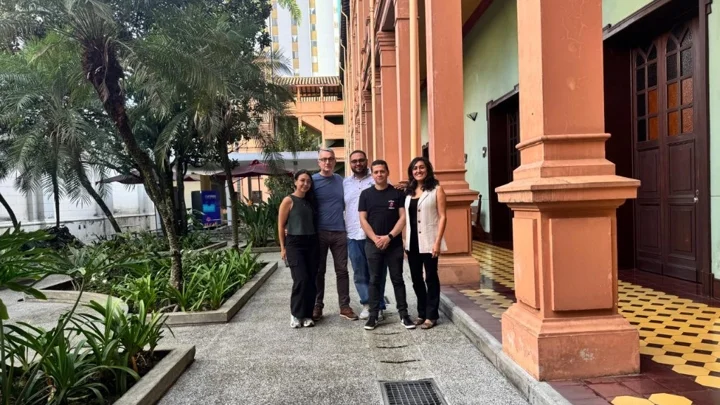
Photo credit: Alexandra Abello Colak