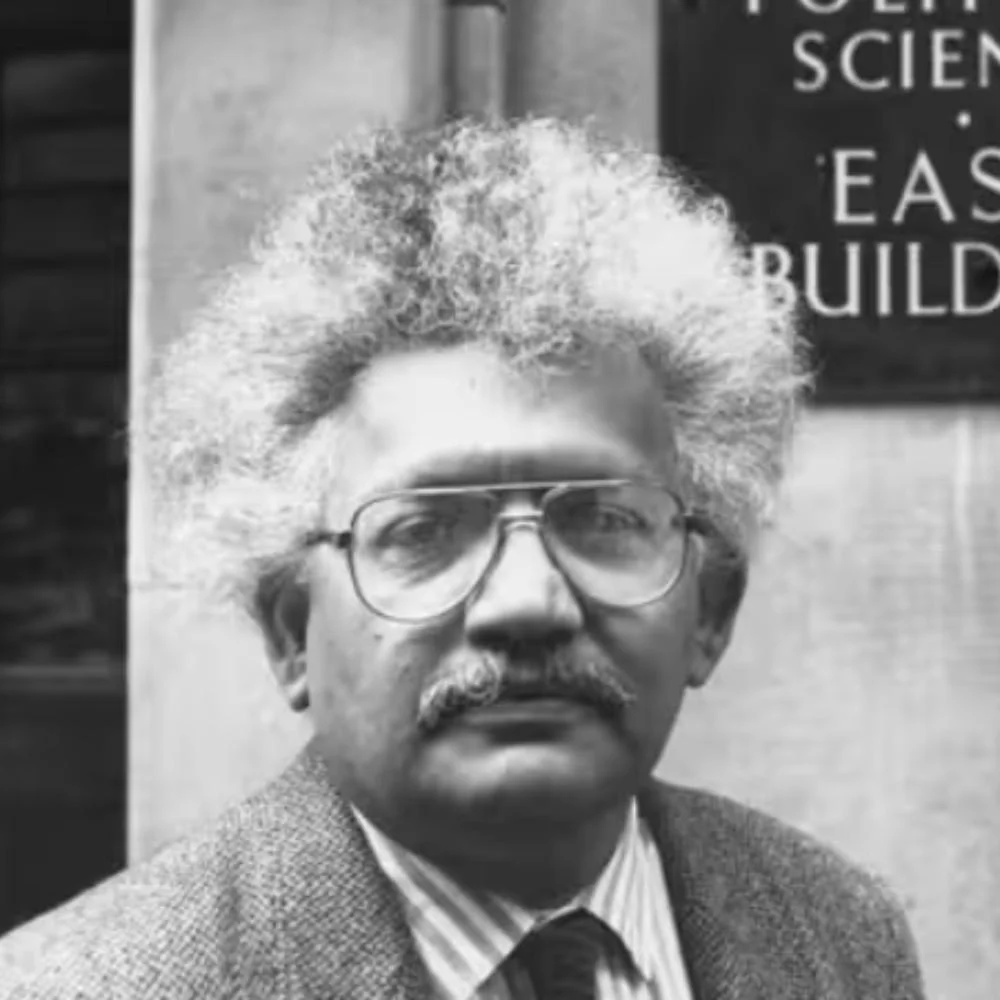
Professor Sir Chris Pissarides
Professor Sir Christopher Pissarides and LSE
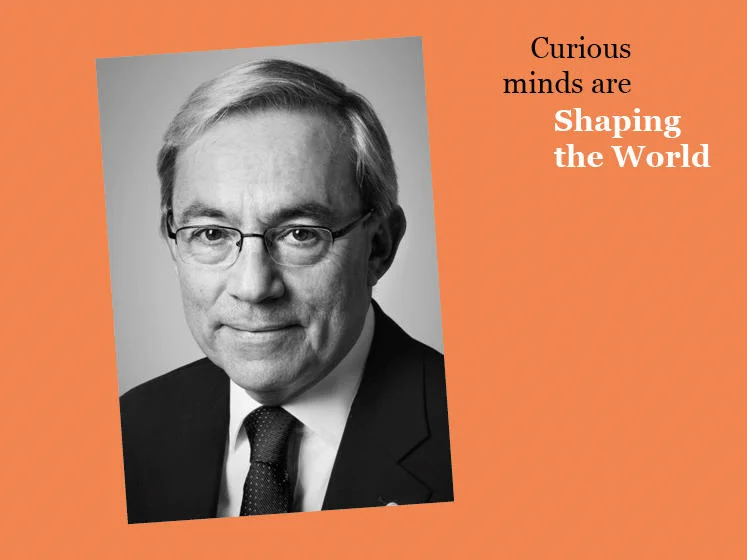
Professor Sir Christopher Pissarides was awarded the Nobel Memorial Prize in Economic Sciences in 2010, jointly with Peter Diamond from Massachusetts Institute of Technology and Dale Mortensen from Northwestern University. Professor Pissarides was awarded his PhD at LSE in 1973 and has been on the faculty since. He is an elected fellow of the British Academy, the Econometric Society, the European Economic Association and the Society of Labor Economists.
The prize recognised their work on the economics of unemployment, especially job flows and the effects of being out of work. Announcing the new laureates, the Nobel Committee said the award was for the analysis of markets with search frictions.
Commenting on this seminal work, Professor Pissarides said: "Our research looks at what happens to someone who loses his or her job because of changes in the economic environment. We have created a model which allows us to analyse the processes and decisions, such as policy, which affect how long it is before someone finds productive employment again. Until we began the work, there was no way of thinking about these issues.
Professor of Economics at LSE and holder of the Norman Sosnow Chair in Economics, Professor Pissarides is also a fellow of the Centre for Economic Performance at LSE and of the Centre for Economic Policy Research. He specialises in the economics of unemployment, labour-market theory, labour-market policy and more recently he has written about growth and structural change.
He has written extensively in professional journals and his book Equilibrium Unemployment Theory, now in its second edition, is a standard reference in the economics of unemployment. In 2009 he served as Vice President of the European Economic Association, then President elect in 2010 and President in 2011. He was knighted in 2013.
Another pioneering LSE Professor of Economics and treasured member of the LSE community was Lord Meghnad Desai who died in 2025. At an event celebrating Lord Desai's life and legacy in January 2026 Professor Pissarides spoke movingly about the impact he had on his life because of the financial support he received when he was studying for his PhD.
This learning would have remained beyond my reach without the funding that I received, secured through the dedication of individuals like Meghnad Desai, who believed in what students could become long before our achievements were visible. Their generosity changed the course of my life. When donors support scholarships at LSE, they do far more than ease a financial burden. They open doors to a world of possibility, allowing future scholars to contribute in ways that can transform society.
Celebrating the life and legacy of Lord Desai