

Militarisation and the "War on Crime"

From the 70 year old "War on Drugs", to the more recent "War on Human Smuggling", politicians use militarised responses to look decisive on crime.
The deployment of armies, navies, military assets and militarised approaches can send a powerful message, but have produced mixed results. This debate, co hosted between the LSE US Centre's International Drug Policy Unit and the Global Initiative against Transnational Organized Crime discussed four different areas of criminality – wildlife crime, piracy, human smuggling and drug trafficking – to see how effective a militarised response can really be, and what might be lost as collateral damage.
The (IDPU) is a cross-regional and multidisciplinary project, designed to establish a global centre for excellence in the study of international drug policy.
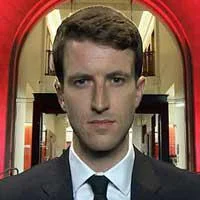
John Collins(@JCollinsIDPU) is Executive Director of the International Drug Policy Unit and Fellow of the LSE US Centre.

Misha Glenny(@MishaGlenny) is an investigative journalist and author of McMafia.

Sasha Jesperson(@SashaJesperson) is Director, Centre for the Study of Modern Slavery, St Mary's University Twickenham.

Tuesday Reitano(@Tuesdayjaded) is Deputy Director, Global Initiative against Transnational Organized Crime.

Anja Shortlandis Reader in Political Economy, King’s College London.

Michael Coxis Director of LSE IDEAS and Emeritus Professor of International Relations at LSE.
This event was held on 7 November 2017.