

Wendy Lloyd
MSc Culture and Society (2021)
My LSE studies provided the context and tools to really understand how inequality plays out across the media and beyond, and how pervasive it is. It gave me the confidence to speak openly and with authority about something I feel so very passionate about, and to rejuvenate my media career from a place of elevated and focused credibility.
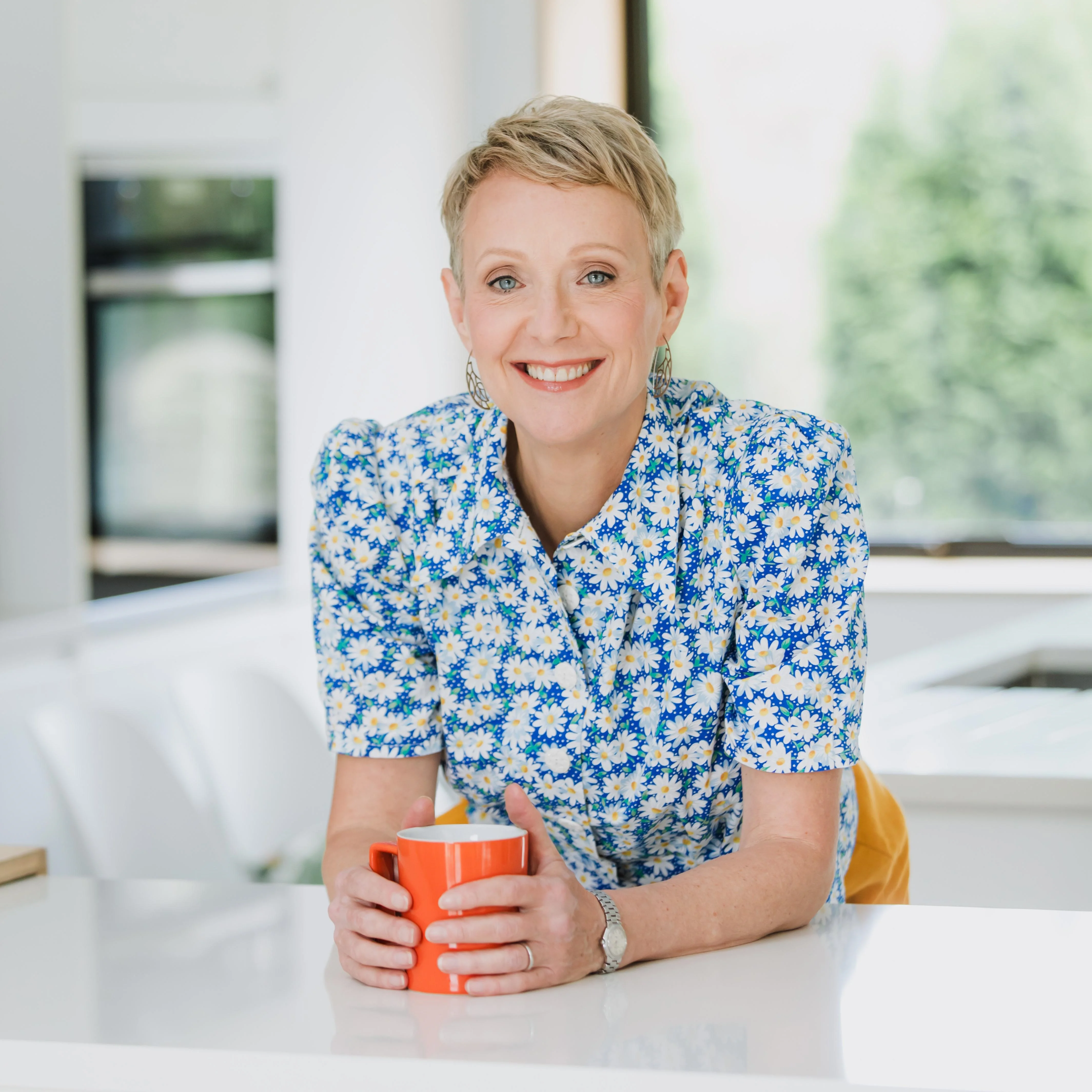
You’ve had a hugely varied career across radio, TV, voiceover, and now coaching. How did your career evolve in that way?
I started out working in radio as a teenager – doing the gig guide and then gossip column on BBC local radio. Music was my passion, and radio was the perfect place to be immersed in it. I got to be amongst fun people who loved music as well as endless free tickets to gigs – what was not to love? I worked for BT music (back when people actually called a number to listen to a track played down the phone!) and from there landed a pop show on the then new BBC GLR (now London) aged 19. Radio presenting opened up TV opportunities and I had a blast hosting several entertainment shows, including the now defunct but legendary Top of the Pops - one time with Robbie Williams. It also turned out I’m really good at voiceovers – the technical part of hosting live radio shows means I can shave a fraction of a second off a read without batting an eyelid. A weird talent, I know. I moved into talk radio in the noughties, and voiceovers and film criticism have been a solid part of my work for decades. So it was all very much media until my degree in Psychology and then master's at LSE – after which I was inspired to train as a women centred transformational coach and work at the coalface of gender inequality by supporting women to overcome the structural bias that holds too many back.
How did your time at LSE shape the way you think about culture, media and inequality?
I came to my master's fresh off spending six years studying a BSc in Psychology, and I was planning my final project as #MeToo happened. It was a no-brainer to look at inequalities in film criticism and analyse the overly judgmental way films starring and about women are reviewed. I loved digging into my long-time profession and feeling supported by a global movement to finally reveal the bias that I’d long seen and been frustrated by. When I finished, I knew there was more to explore – and learn - and I was immediately drawn to LSE’s Culture and Society programme under Dr Don Slater. It has a really broad scope that enabled me to focus on the language, culture and assumptions that underpin this hugely traditional and old-school profession. Afterwards, I considered a PhD, and found a keen supervisor, but I decided I wanted to take my research out into the world, so I created my podcast "Open to Criticism". I hosted and produced two series, which explore how we talk about movies, who gets to do it and why it matters, with a broad range of film critics and commentators. Both series were nominated for several Independent Podcast Awards and I’m very proud of the perspectives, opinions and ideas that were platformed on them. I feel that my LSE studies provided the context and tools to really understand how inequality plays out across the media and beyond, and how pervasive it is. It gave me the confidence to speak openly and with authority about something I feel so very passionate about, and to rejuvenate my media career from a place of elevated and focused credibility.
You returned to studying later in your career. What motivated that decision?
I was ready for an intellectual adventure! I passed on my Uni place as a teenager as I was already ensconced in the media. I always said "never say never" – but for a long time it didn’t particularly appeal. But in my early 40s I was newly married, heading out to Singapore for my husband’s job, and my longtime interest in psychology suddenly felt like something worth pursuing. When I began, so many people asked me: “What are you going to do with your Psychology degree?” and I’d always answer, “I don’t know. I haven’t done it yet!” It was true – I very much began it with no fixed idea of where it would take me. I would never have imagined I’d be where I am now because of it, and I’m so glad I followed the calling and made the 6-year commitment.
What is your proudest achievement?
Winning the British Psychological Society’s award for the highest scoring Psychology degree of 2019 at the Open University – I beat over one thousand candidates. And a big one is completing my LSE master's and attaining a distinction just five months after having surgery for breast cancer.
What is your fondest memory from LSE?
I was so happy to study on campus – I had no issue studying remotely with the OU, but I wanted to learn collaboratively alongside my fellow students. BUT it was a bit daunting being twice the age of most people in the classroom! So it was lovely to be told by a fellow student at the end that she’d really appreciated my contribution to class discussions – and my first-hand experience of living through big cultural events which were topics for our course. Events that took place before most of the class were born! She said: "Every cohort should have a Wendy”, which was really sweet.
What advice would you give to current students?
Having done my master's part-time as well as my undergrad, I do recommend that students spread their studies over two years if they can. I really enjoyed having the time to go down rabbit-holes of research and reading for pleasure – not just for assignments. It was evident that those cramming everything into one year just didn’t have that freedom. When we’re young, we’re in such a rush, and there’s pressure to complete degrees full-time. But for me, the pleasure of the learning itself was a big part of it. Which is why I also really recommend studying later in life. We have such a different perspective and our life experience supports the need to focus and dig deep – especially when those assignments feel impossible!
What challenges have you had to overcome in your career?
I was stabbed in the back and pushed out of one of the UK’s biggest radio stations back in the 90s. It was such a punch to the gut, and I felt I had to hide it if I wanted my career to continue. I’d done nothing wrong, but I didn’t play the politics right and I didn’t have an agent at the time (i.e. protection against dog-eat-dog colleagues), which was a big mistake in hindsight. But I refused to be crushed, and kept building my career despite that setback. It was horrible and felt desperately unfair and cruel at the time, but decades later I see it was just one small part of a bigger story and career of which I’m very proud.
I also struggled for decades with crippling public speaking anxiety – which I know seems unbelievable considering my career! But that was the point – I knew I was a good speaker and didn’t want it to hold me back. I suffered in silence for a long time, pushing to overcome it alone and kept it as my dirty little secret. But training to be a women centred coach required me to tackle my own fears, and this was the biggie to overcome. Now I support other women to overcome their speaking fear so they can have the success they deserve and make the impact they’re capable of.
You can find out more about Wendy's work on her website.