

Rabia Nasimi
MSc Sociology (2016)
Being elected was, of course, a very special moment. It was intense and filled with emotion and nerves. It was rewarding not only personally, but also because it reflected the trust residents placed in me and the conversations we had throughout the campaign about the kind of community they want to build together.
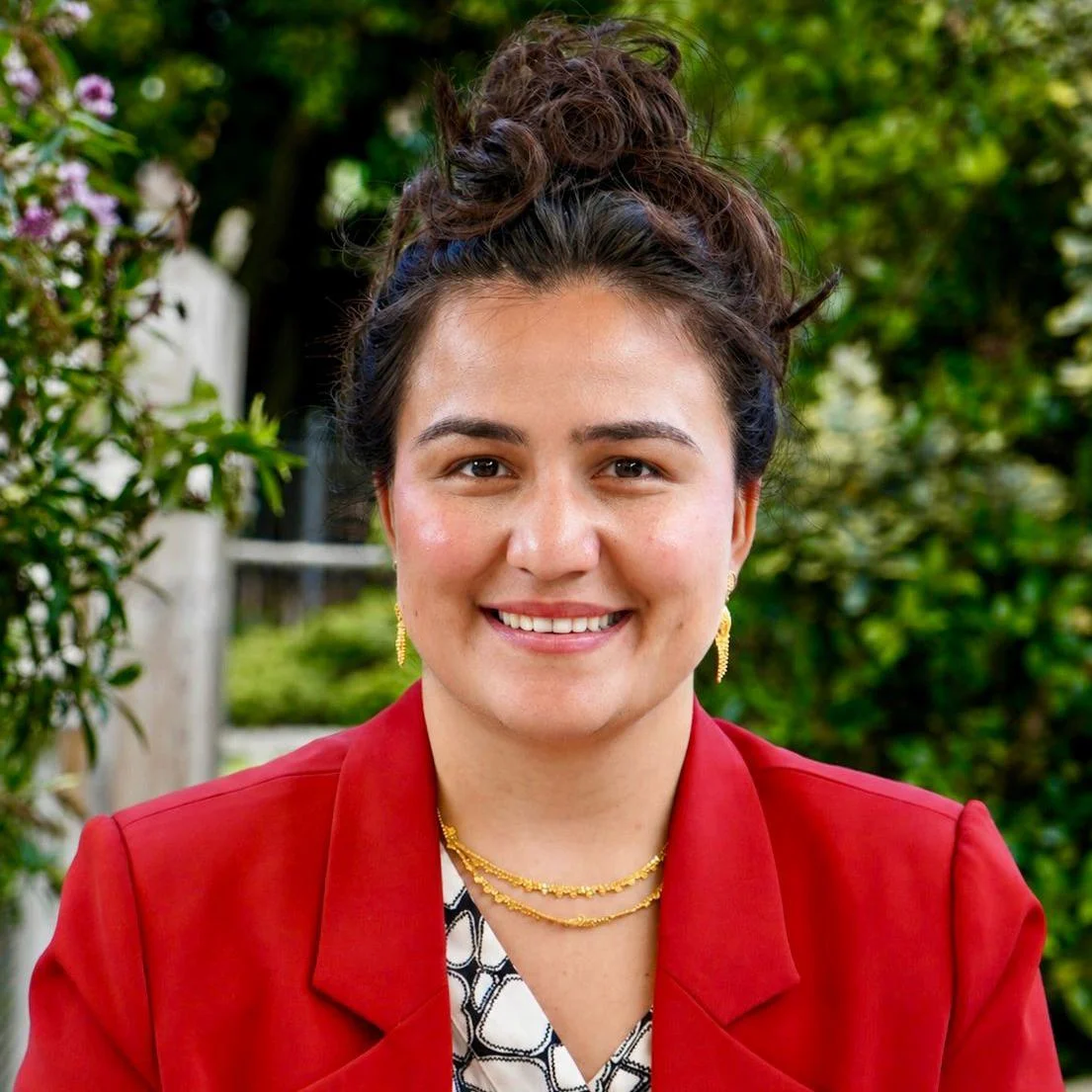
You were recently elected to local council, congratulations! What motivated you to stand for election?
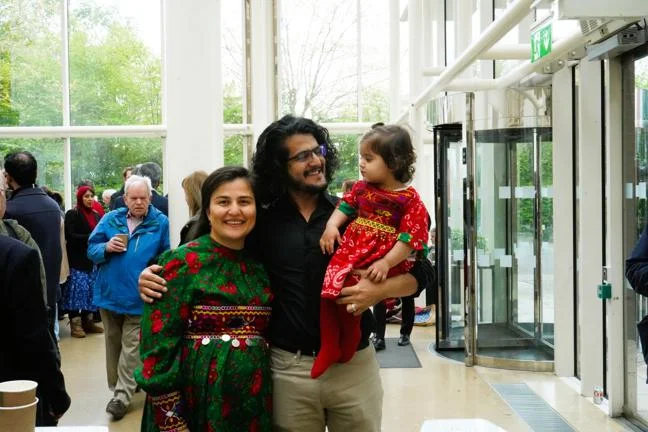
My motivation is rooted in my own journey. My family arrived in the UK as refugees from Afghanistan when I was five, and our experience of rebuilding our lives here shaped much of who I am. Growing up, I saw how important community support, local services and political representation are for families trying to integrate and build a future. I also saw how much it matters for people to feel represented and welcomed in the places they call home. Those values have stayed with me and continue to shape how I think about public service.
A significant part of that journey was shaped by the work of the Afghanistan and Central Asian Association (ACAA), the charity my father, Dr Nooralhaq Nasimi MBE, founded after arriving in the UK. Through ACAA, I spent many years doing grassroots charity work, directly supporting refugees and migrant families through education, integration, advice services and wider community support. What I valued most was the face-to-face impact it could have on someone’s life.
I joined the Civil Service in 2020 through the Fast Stream and have since worked across several departments, which has been an immensely valuable experience. Over time, however, I realised how much I missed the direct connection to people’s day-to-day concerns. Around the same time, becoming a mother gave me space to reflect on how I wanted to contribute and where I felt I could have the most impact. That was when I decided to apply to become a council candidate.
While I was mindful of stepping into a more public-facing role, including the potential for online scrutiny, I recognised that this comes with the territory. Ultimately, it felt like a natural next step, building on my experience while continuing to serve the community. I was fortunate to feel well supported throughout the process, and being elected as a Labour councillor for East Acton still feels slightly surreal.
What issues are you most passionate about representing in your local area?
As a newly elected councillor, one of the most important things for me right now is listening. I do not want to come in assuming I have all the answers; I want residents to shape the priorities I advocate for. I’m keen to build on conversations through casework and community engagement to guide where I focus my efforts.
That said, during the campaign several issues arose consistently on the doorstep. Residents spoke frequently about cleanliness and waste management, the condition of roads and local infrastructure, access to children’s services, and housing conditions, including overcrowding. Priorities vary across the ward, with some areas more focused on infrastructure and green spaces, and others on housing and access, so it’s important to remain responsive to those differences.
Supporting refugee and migrant communities is also very close to my heart because of my background and experience in the charity sector. I know how important local support networks are for integration, confidence and wellbeing, and I would like to champion initiatives that help people feel connected, supported and able to contribute to community life.
More broadly, I want to be a councillor who is approachable, visible and genuinely attentive to residents’ everyday concerns.
Do you see yourself continuing to focus on local community work, or do you have ambitions to move beyond that in the future?
I tend to focus on the role I’m in rather than thinking too far ahead, so it’s still early to say what comes next. Over this four-year term, I want to fully understand how the council works, build my confidence and take on different responsibilities.
Beyond that, I’m open to where things could lead, but for now I’m focused on learning, growing and making the most of the opportunity, including through programmes like the Jo Cox Leadership Programme, which has been really valuable in building my confidence, particularly in encouraging women to own their work and speak up in political spaces.
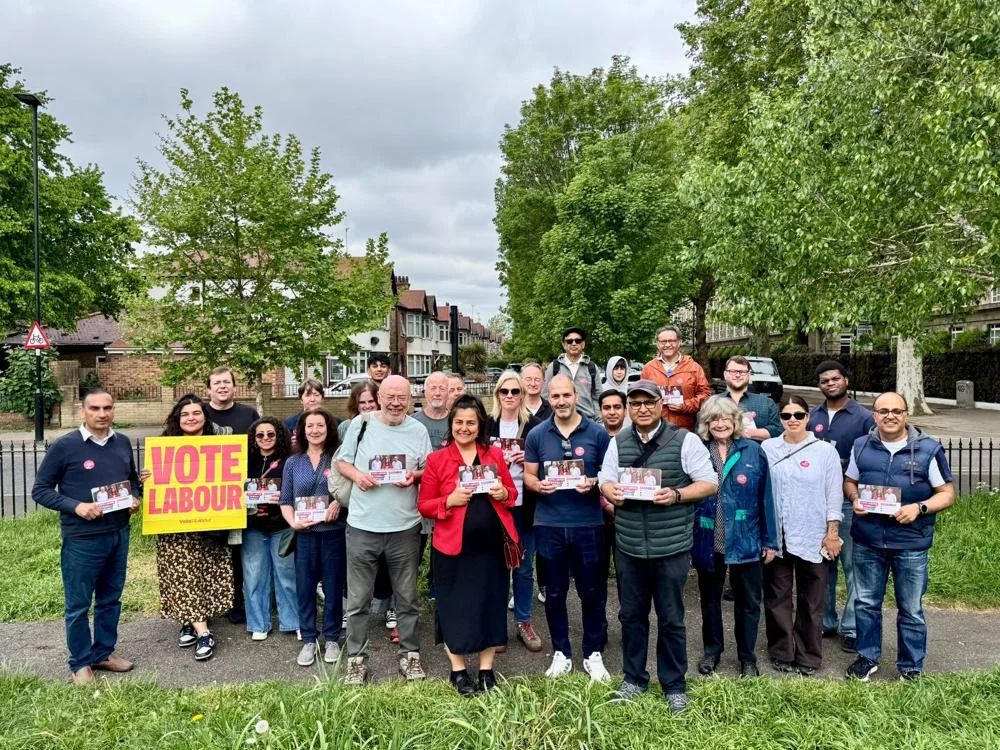
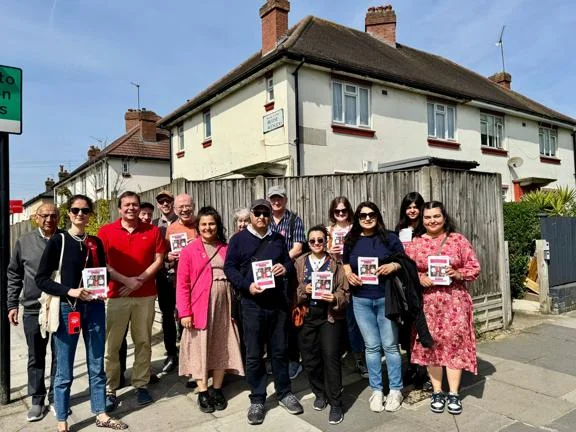
You’ve worked across several roles in the Civil Service. What drew you to public service?
I have worked across a number of departments, including the Department of Health and Social Care (DHSC), the Ministry of Housing, Communities and Local Government (MHCLG), the UK Covid-19 Inquiry, and now I am back at DHSC in a politically unrestricted role. I initially joined through the Fast Stream as a social researcher, and I greatly valued the opportunity to contribute to policy development and implementation at a national level. What initially drew me to public service was a desire to move beyond working solely on migration and refugee-focused issues. Much of my earlier work through ACAA centred on specific communities, and I wanted to challenge myself by contributing to national policy that affects everyone. The Civil Service gave me the opportunity to apply the skills and insights I had developed through the charity sector, particularly in research, policy and community engagement, to a much broader policy environment.
What have been some of the most rewarding or challenging aspects of working in this space?
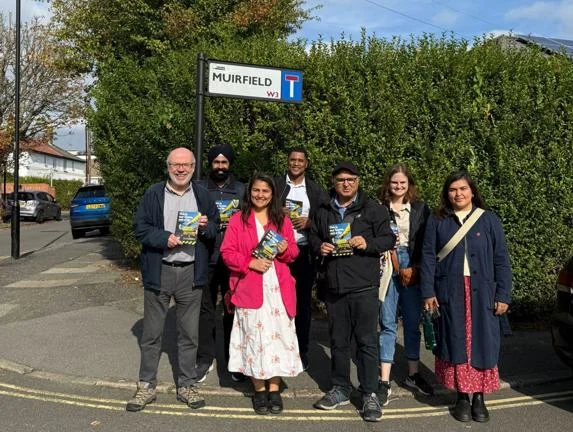
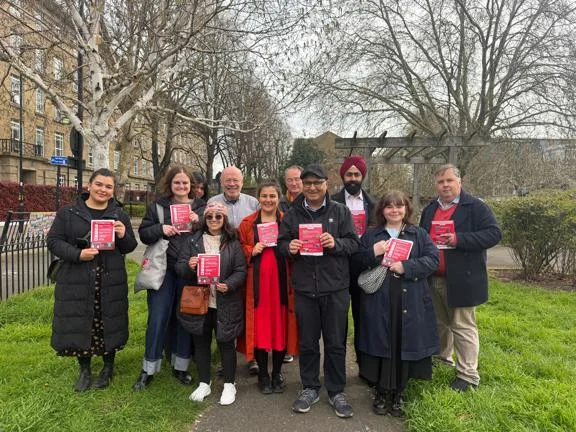
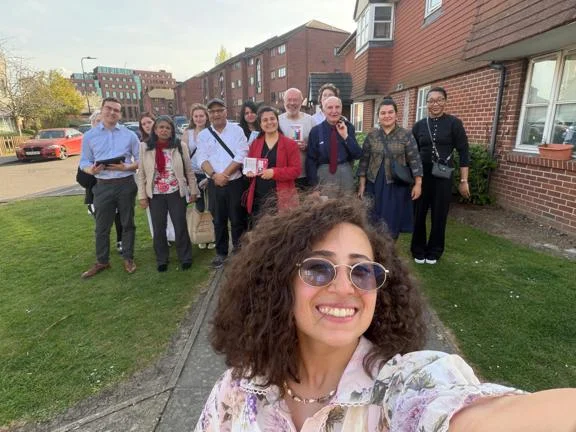
One of the most rewarding aspects has definitely been the people. Through politics and local government, I have met incredible residents, volunteers, campaigners and colleagues. Campaigning creates strong bonds because you spend so much time working towards something meaningful.
I have also valued speaking with residents on the doorstep and hearing their stories. Politics can sometimes appear abstract from the outside, but local politics is deeply personal because you hear directly about people’s lives, frustrations and hopes for their communities.
Being elected was, of course, a very special moment. It was intense and filled with emotion and nerves. It was rewarding not only personally, but also because it reflected the trust residents placed in me and the conversations we had throughout the campaign about the kind of community they want to build together.
One of the biggest challenges has been balancing different responsibilities, both personally and professionally. I am a mother, I work full-time in public service, and I campaigned while heavily pregnant, so standing for election required a great deal of energy, organisation and resilience. That experience also reminded me how important it is that public life reflects the realities of people’s lives, including the experiences of women balancing work, family and service, and that those voices are central to policymaking as well. If people juggling work, family and community life feel they cannot put themselves forward, those perspectives risk being lost. Those lived experiences shape how you connect with residents and advocate on their behalf. I saw this directly during the campaign, with residents often sharing personal concerns about their children and families.
It also highlighted the need for continued support for women, particularly mothers, in public life. While flexibility helps, there can still be pressure to prove reliability and commitment, which makes it all the more important that those voices are recognised, supported and reflected in policymaking.
How did your time at LSE shape your interests or career ambitions?
LSE played an important role in shaping both my intellectual interests and my sense of direction. Studying sociology there deepened my understanding of the structures and inequalities that shape people’s lives and gave me a stronger framework for thinking about migration, integration, identity and the role of government.
It also equipped me with practical skills I continue to use in my work, particularly in communication, writing, critical thinking and distilling complex information. It’s less about any single module and more how the overall experience shaped the way I think. It helped me connect lived experience with academic analysis, which in turn shaped my interest in policy, research and public service. I left with a clearer sense that I wanted to work in roles where I could combine analytical thinking with practical impact.
LSE challenged me intellectually and encouraged me to think critically about power, inequality, identity and social change. My dissertation, which explored elections and identity in Afghanistan, offered a perspective on how political systems operate in different contexts and drew on my interest in democratic processes. Since then, I have continued to engage with these themes through published work on migrant and refugee communities, including contributions to Critical Research and Creative Practice with Migrant and Refugee Communities and Community Work with Migrant and Refugee Women.
These questions have remained central to the way I approach my work and now inform not just how I understand these issues, but how I will contribute to addressing them in practice.
Looking back, how have your experiences before, during and after LSE shaped your sense of purpose and the path you’ve taken?
I think each stage of my life has built on the last. From an early age, I developed a strong sense of social responsibility, often supporting family, friends and others in my community, including through the ACAA, with things like housing or benefits. That shaped my understanding of how policy affects real people and made community work central to who I am.
LSE helped me connect those lived experiences with academic and sociological analysis, while my later work in the charity sector and the Civil Service showed me how policy operates in practice.
Politics feels like a continuation of all those experiences combined: community engagement, policy work, advocacy and representation coming together in one space. It’s less a new direction and more a natural progression of what I’ve always been drawn to, supporting others and trying to make a positive difference.
What advice would you give to current LSE students who are interested in careers in policy, public service or politics?
If you are interested in the Civil Service, I would definitely recommend looking into the Fast Stream. It is a strong route into public service and offers the chance to develop skills, gain experience across a range of policy areas and contribute to work with national impact. One of its strengths is that it focuses on your potential and gives you exposure across departments, which is particularly helpful if you are not yet sure which area you want to specialise in. I have greatly valued working in government because it offers the opportunity to contribute to decisions that affect millions of people, while also learning how policy is developed and delivered in practice.
In terms of applying, the process usually includes situational judgement tests, interviews and assessment centres, so it is worth preparing for those early stages. It is also not essential to apply straight after graduating, gaining experience elsewhere first can be equally valuable.
Politics is rewarding too, but it is very different. It can be demanding, public-facing and at times intense, but it also offers a direct way to serve communities and advocate for change. If you care deeply about people and place, it can be deeply meaningful work.
I would also encourage students to volunteer or get involved in community work alongside their studies. It can be easy to focus on academics, but getting involved helps build networks, broaden your experience and clarify what you want to do next. Many of my own opportunities came through grassroots work and practical experience, not just academic qualifications.
Do you have a favourite memory or place from your time at LSE?
Probably the library. I spent a huge amount of time there during my MSc, and it became one of those places that came to symbolise that period of my life: challenging and intense, but also exciting and transformative. More broadly, I remember LSE as a place that constantly pushed me to think more deeply and engage with different perspectives, which is something I still value.
If you could give your LSE self one piece of advice, what would it be?
I’d probably tell myself to try not to focus solely on assessments and engage more deeply with the content. It’s easy to gear your learning towards exams, but taking the time to really explore the theories and ideas is what stays with you in the long term.