

Department of Geography and Environment welcomes four new members of faculty
The Department of Geography and Environment is delighted to announce that four new members of faculty will join the department at the start of the 2026 academic year. Their appointments strengthen our expertise across urban planning, sustainable development, biodiversity, and local and regional economic development.
We are very much looking forward to welcoming Hannah Hasenberger, Jessie Lu, Zheng Wang and Matthew Wargent to LSE and to the contributions they will make to the department’s research culture, teaching, and wider intellectual life.
Hannah Hasenberger | Assistant Professor (Education) in Economic Geography and Urban Planning
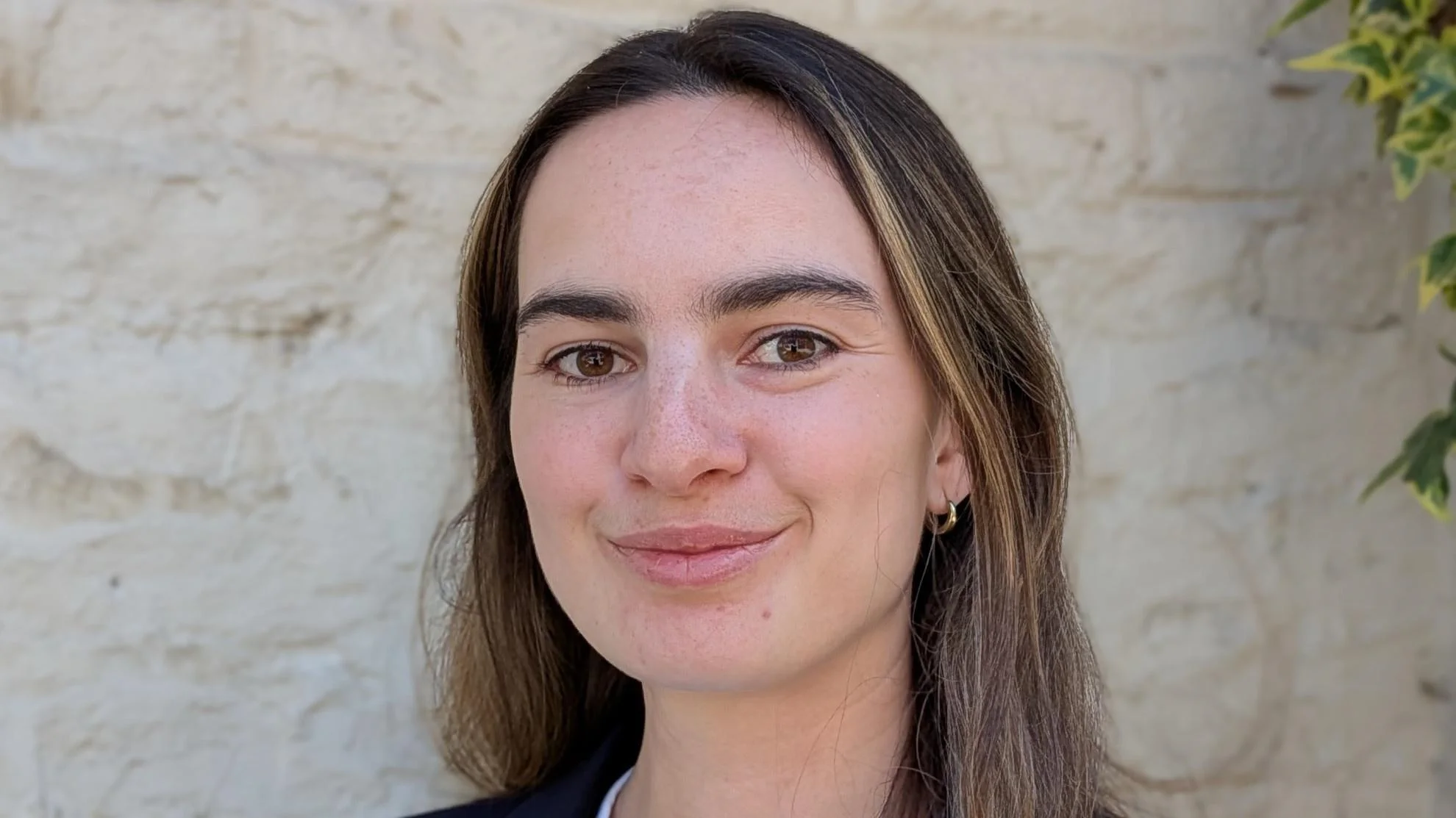
Hannah is an economic geographer with an interest in the political economy of urban and local economic development. Her research is driven by a desire to better understand the social and economic world around us, and she draws on different disciplinary perspectives and methods to do so. She explores questions such as how local state action is shaped by global markets and institutions operating across different geographical scales, and how English local councils respond to austerity. An ongoing project uses both qualitative and quantitative research methods to try and understand a deceptively simple question: how do rental housing markets work?
I am immensely excited to be joining the Department of Geography and Environment this August. It is a wonderful place to continue conversations about urban and local economic development, political economy, and planning. In some ways, this feels like a return: I completed my Master’s in the department in 2019 and still remember the vibrant and intellectually stimulating discussions that took place there. I am especially looking forward to working with students and thinking together about the challenges facing cities, local economies, and urban governance today.
Jessie Lu | Assistant Professor in Biodiversity Economics

Jessie researches how ecosystem degradation and biodiversity loss negatively impact humans. Her work uses ecological insights combined with economic methods to better understand interactions between nature and society. She holds a PhD in Sustainable Development from Columbia University. Prior to her PhD, she worked in international development policy at the Harvard Kennedy School and the Center for Global Development.
I am so honored to be joining the remarkable community that is the Geography and Environment Department. In my research, my primary goal is to demonstrate how preservation of ecosystems and species benefit both the natural and human worlds. This department values these same things and through this position, has offered me a space dedicated to exploring these topics. At LSE, I am excited to continue my academic research linking declines of species populations and reductions in the diversity of biomes around the world to economic costs. I am also thrilled to situate my work within the Global School of Sustainability and apply my knowledge to affecting policy changes that can help both people and the environment.
Zheng Wang | Associate Professor in Urban Planning

Zheng is an urban planner specialising in the politics and long-term social consequences of urban (re)development. In particular, he is interested in the lives of residents after their displacement and how urban planning and governance practices can affect the post-displacement lives of residents. Zheng is an associate editor of Transactions in Planning and Urban Research and his research has been funded by the British Academy and the Economic and Social Research Council. As part of a research consortium, Zheng’s latest research investigates how residents can be empowered within state-sponsored housing projects in India, South Africa and China. Zheng received his PhD from the Bartlett School of Planning, University College London and has previously held posts at The University of Sheffield and King’s College London before joining the LSE.
It is such an honour for me to be joining the department this August and I am really looking forward to getting to know better everyone in the department. In particular, I am excited about exploring new research and teaching collaborations with colleagues that can contribute towards the department’s commitment towards social and environmental sustainability. Over the years, I have also heard many great things about LSE Geography and Environment students and I cannot wait to work together with them in the department.
Matthew Wargent | Assistant Professor in Urban Planning
Matthew's research explores the planning, development, and governance of cities, focusing on the social and institutional dynamics of public participation and the digital transformation of planning systems.
Matthew is interested in the changing forms of expertise required in urban planning and its distribution between public and private spheres. Recent research projects have focused on community-led planning, investigating how institutional reforms reconfigure expertise, inclusion, and legitimacy, shaping how decisions are made and contested within contemporary planning systems. His current research examines how digital technologies increasingly structure spatial decision-making, reformulating the democratic, epistemic, and ethical foundations of planning.
Matthew holds a PhD in Sociology from the University of Sheffield and has received fellowships from the Economic and Social Research Council, the British Academy, and the Leverhulme Trust. He is currently Viewpoints Editor at Town Planning Review and holds a visiting position at the Boston University Initiative on Cities.
Joining the Department of Geography and Environment is an exciting opportunity, with the chance to work alongside some great colleagues. I’m especially looking forward to contributing to the MSc Regional and Urban Planning Studies, the department’s longest-running Master’s programme. It’ll be great to engage with the outstanding students that the course attracts from all over the world – with all the vibrancy and diversity of perspectives that brings – investigating planning through a critical social science lens and examining how planning decisions are shaped, contested, and experienced in practice. I will also be continuing a programme of research into the digitalisation of planning as part of wider debates about algorithmic governance and the politics of expertise. I’ll initially be concentrating on London as part of a Leverhulme Research Fellowship, but also looking at other global cities like Boston and Singapore to examine how the application of AI is reshaping planning practice and changing what ‘good’ planning processes and urban outcomes look like. Outside the department, I’m looking forward to being based in London and spending time with my family exploring the city’s history and visiting its museums.